

Is 16% aluminum sulphate a fertilizer?
Oct 27, 2025
Leave a message
Is 16% aluminum sulphate a fertilizer? This is a question that often comes up in agricultural and horticultural circles. As a supplier of 16% aluminum sulphate, I've had numerous discussions with farmers, gardeners, and agricultural experts about its potential as a fertilizer. In this blog post, I'll delve into the science behind aluminum sulphate, its properties, and whether it can be considered a fertilizer.
Understanding Aluminum Sulphate
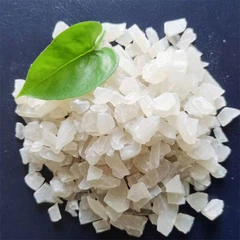
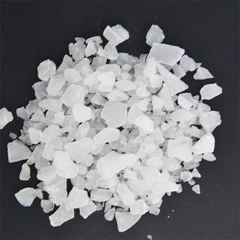
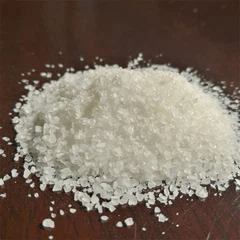
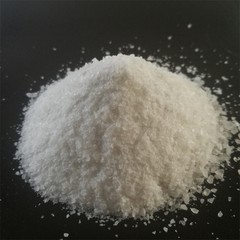
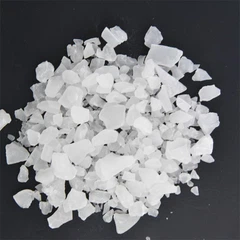
Aluminum sulphate, with the chemical formula Al₂(SO₄)₃, is a white crystalline solid that is soluble in water. It is commonly used in various industries, including water treatment, paper manufacturing, and the production of textiles. In the context of agriculture and horticulture, aluminum sulphate has several potential applications.
The 16% aluminum sulphate that I supply is a specific formulation that contains 16% of the active ingredient, aluminum sulphate. This concentration is carefully selected to provide the optimal balance of properties for its intended uses.
The Role of Aluminum in Plants
Aluminum is not considered an essential nutrient for plants. Unlike elements such as nitrogen, phosphorus, and potassium, which are required in relatively large amounts for plant growth and development, aluminum is only needed in trace amounts. In fact, high levels of aluminum in the soil can be toxic to plants, especially in acidic soils.
However, in certain situations, aluminum can play a beneficial role in plant growth. For example, aluminum can help to lower the pH of the soil, making it more acidic. This can be beneficial for plants that prefer acidic soils, such as blueberries, azaleas, and rhododendrons. By adjusting the soil pH, aluminum sulphate can create a more favorable environment for these plants to thrive.
Aluminum Sulphate as a Soil Amendment
One of the primary uses of 16% aluminum sulphate in agriculture and horticulture is as a soil amendment. When applied to the soil, aluminum sulphate reacts with water to form sulfuric acid, which can lower the soil pH. This process is known as soil acidification.
By lowering the soil pH, aluminum sulphate can make certain nutrients, such as iron, manganese, and zinc, more available to plants. These nutrients are often less available in alkaline soils, so acidifying the soil can help to improve plant growth and health.


In addition to its role in soil acidification, aluminum sulphate can also help to improve soil structure. It can bind to soil particles, reducing their tendency to compact and improving water infiltration and drainage. This can be particularly beneficial in heavy clay soils, which tend to be poorly drained.
Aluminum Sulphate as a Fertilizer
While aluminum sulphate is not a traditional fertilizer in the sense that it does not provide essential nutrients such as nitrogen, phosphorus, and potassium, it can indirectly contribute to plant growth by improving soil conditions. By lowering the soil pH and improving soil structure, aluminum sulphate can make it easier for plants to access the nutrients that are already present in the soil.
In some cases, aluminum sulphate may also be used in combination with other fertilizers to provide a more comprehensive nutrient package for plants. For example, it can be used in conjunction with a nitrogen-rich fertilizer to help balance the soil pH and improve the availability of nitrogen to plants.
However, it's important to note that the use of aluminum sulphate as a fertilizer should be carefully considered. As mentioned earlier, high levels of aluminum in the soil can be toxic to plants, especially in acidic soils. Therefore, it's important to follow the recommended application rates and to monitor the soil pH regularly to ensure that it remains within the appropriate range for the plants being grown.
Our Product Offerings
As a supplier of 16% aluminum sulphate, we offer a range of high-quality products that are suitable for use in agriculture and horticulture. Our products are carefully formulated to ensure consistent quality and performance, and they are available in a variety of packaging options to meet the needs of different customers.
In addition to our 16% aluminum sulphate, we also offer other related products, such as Reagent Grade Aluminum Sulphate, Aluminium Sulphate 17, and Iron Free Aluminum Sulphate Powder. These products are designed to meet the specific requirements of different applications, and they are backed by our commitment to providing excellent customer service.
Conclusion
In conclusion, while 16% aluminum sulphate is not a traditional fertilizer, it can play a valuable role in agriculture and horticulture as a soil amendment. By lowering the soil pH and improving soil structure, it can help to create a more favorable environment for plant growth and health. However, it's important to use aluminum sulphate carefully and to follow the recommended application rates to avoid potential toxicity issues.
If you're interested in learning more about our 16% aluminum sulphate products or if you have any questions about their use in agriculture and horticulture, please don't hesitate to contact us. We'd be happy to discuss your specific needs and to provide you with more information about our products and services. We look forward to the opportunity to work with you and to help you achieve your agricultural and horticultural goals.
References
- Brady, N. C., & Weil, R. R. (2008). The nature and properties of soils. Pearson Prentice Hall.
- Marschner, H. (2012). Mineral nutrition of higher plants. Academic Press.
- Mengel, K., & Kirkby, E. A. (2001). Principles of plant nutrition. Kluwer Academic Publishers.
Send Inquiry