

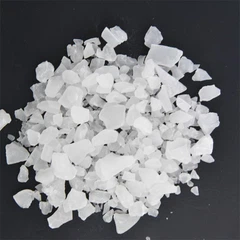
Can aluminium sulphate 17 be used in agriculture?
Aug 21, 2025
Leave a message
Can aluminium sulphate 17 be used in agriculture? That's a question I get asked a lot as a supplier of aluminium sulphate 17. In this blog, I'm gonna break it down for you and share all the ins and outs of using this chemical in the agricultural world.
First off, let's talk a bit about what aluminium sulphate 17 is. Aluminium sulphate is a chemical compound that's commonly used in various industries. The "17" here usually refers to its percentage purity or some specific grade. It's got a wide range of applications, from water treatment to paper manufacturing. But can it have a place in agriculture?
One of the main uses of aluminium sulphate 17 in agriculture is soil pH adjustment. Most plants have a preferred soil pH range where they can grow best. Some plants, like blueberries and azaleas, thrive in acidic soil. Aluminium sulphate can be used to lower the pH of the soil, making it more acidic. When you add aluminium sulphate to the soil, it reacts with water and releases hydrogen ions, which in turn decreases the soil's alkalinity.
Let me give you an example. Say you've got a patch of soil that's a bit too alkaline for your blueberry bushes. You can apply aluminium sulphate 17 to that soil. Over time, the chemical will start to work its magic and gradually lower the pH. This creates a more suitable environment for the blueberries to take up nutrients from the soil, which can lead to better growth and higher yields.
Another potential use is in controlling soil structure. Aluminium sulphate can help to flocculate or clump together soil particles. This is especially useful in soils that are too sandy or too clayey. In sandy soils, the clumping effect can improve the soil's water - holding capacity. The soil particles stick together, creating small pores that can hold water for longer periods. This means that plants have access to water for a more extended time, reducing the need for frequent watering.
On the other hand, in clayey soils, aluminium sulphate can help to break up the large, compacted clay particles. This improves soil aeration and drainage. When the soil is better aerated, plant roots can breathe more easily, and they can also penetrate the soil more effectively.
But, like with any chemical, there are some things to be careful about when using aluminium sulphate 17 in agriculture. One of the main concerns is aluminium toxicity. If you apply too much aluminium sulphate, the aluminium ions in the soil can reach levels that are toxic to plants. Aluminium toxicity can inhibit root growth, reduce nutrient uptake, and even cause plant death in severe cases.
So, it's crucial to follow the recommended application rates. Before applying aluminium sulphate 17 to your soil, it's a good idea to test the soil first. You can get a soil test kit from a local agricultural supply store or send a soil sample to a professional laboratory. The test results will tell you the current pH of the soil and the levels of other nutrients. Based on these results, you can determine the appropriate amount of aluminium sulphate to use.
Another thing to consider is the environmental impact. Aluminium can leach into groundwater if not used properly. This can contaminate water sources and have a negative impact on aquatic life. So, it's important to use aluminium sulphate 17 responsibly and in accordance with local environmental regulations.
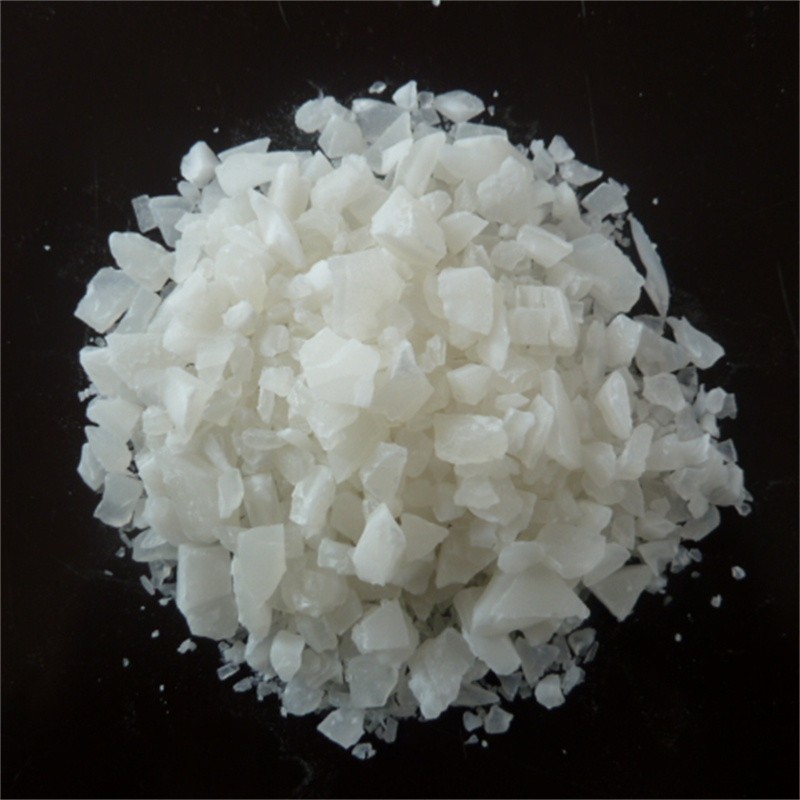

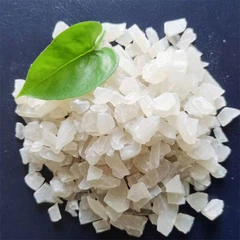
Now, let's talk about the products I offer as a supplier. I've got high - quality Aluminium Sulphate Non Ferric, which you can check out here. This product is great for agricultural applications because it doesn't contain iron, which can sometimes cause unwanted reactions in the soil.
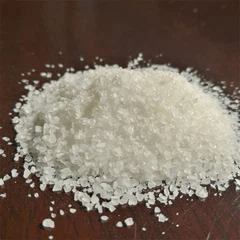
I also have 16% Aluminum Sulphate, which is a popular choice among farmers. You can find more details about it here. This grade of aluminium sulphate is well - suited for soil pH adjustment and soil structure improvement.
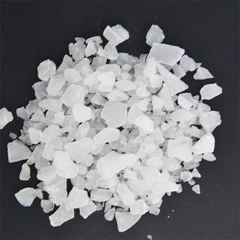
And if you're looking for a convenient form, my Iron Free Aluminum Sulphate Flakes are a great option. You can learn more about them here. The flakes are easy to handle and apply, making them a practical choice for agricultural use.
In conclusion, aluminium sulphate 17 can definitely be used in agriculture, but it needs to be used with care. It has some great benefits, such as soil pH adjustment and soil structure improvement. However, it's essential to be aware of the potential risks, like aluminium toxicity and environmental impact.
If you're interested in using aluminium sulphate 17 in your agricultural operations, I'd love to have a chat with you. Whether you've got questions about the products, application rates, or anything else, feel free to reach out. I'm here to help you make the most of this chemical in a safe and effective way. Let's work together to boost your crop yields and create a healthier growing environment.
References
- Brady, N. C., & Weil, R. R. (2008). The Nature and Properties of Soils. Pearson Prentice Hall.
- Mengel, K., & Kirkby, E. A. (2001). Principles of Plant Nutrition. Kluwer Academic Publishers.
Send Inquiry