

Can aluminium sulphate fertilizer be used in container gardening?
Dec 09, 2025
Leave a message
Hey there, fellow gardening enthusiasts! I'm an aluminium sulphate fertilizer supplier, and I often get asked if this type of fertilizer can be used in container gardening. Well, let's dive right into it and find out!
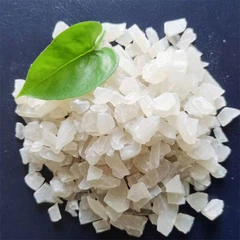
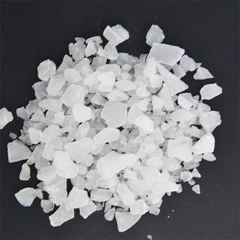
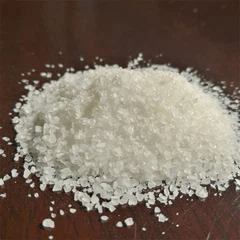
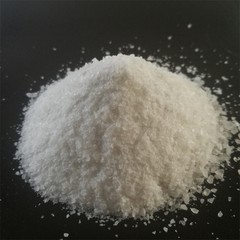
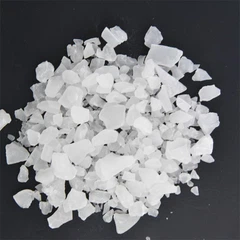
First off, let's talk a bit about what aluminium sulphate fertilizer is. Aluminium sulphate, also known as alum, is a compound that's commonly used in gardening. It can be a great soil amendment, which you can learn more about on our page Aluminum Sulfate Soil Amendment. When it comes to container gardening, it has some unique properties that can be both beneficial and a bit tricky, so let's break it down.
Benefits of Using Aluminium Sulphate Fertilizer in Container Gardening
Soil Acidification
One of the main reasons gardeners use aluminium sulphate in container gardening is for soil acidification. Some plants, like blueberries, azaleas, and rhododendrons, thrive in acidic soil. In container gardening, it can be challenging to maintain the right soil pH, especially if you're using a standard potting mix. Aluminium sulphate can help lower the soil pH, creating a more suitable environment for these acid - loving plants.
For example, if you're growing blueberries in a container, adding a small amount of aluminium sulphate to the soil can make a big difference. Blueberries need a soil pH between 4.0 and 5.5. By using aluminium sulphate, you can adjust the pH to keep your blueberry plants happy and healthy, leading to better fruit production and overall growth.
Nutrient Availability
Another advantage of aluminium sulphate is that it can increase the availability of certain nutrients in the soil. When the soil pH is lowered, some nutrients that are otherwise less accessible to plants become more soluble and easier for the roots to absorb. This can lead to improved plant growth and development.
For instance, iron is an essential nutrient for plants, and it's more available in acidic soil. By using aluminium sulphate to acidify the soil in your containers, you can ensure that your plants have access to enough iron, which is crucial for chlorophyll production and photosynthesis.
How to Use Aluminium Sulphate Fertilizer in Container Gardening
Application Rate
The key to using aluminium sulphate in container gardening is to use it in the right amount. Too much can be harmful to your plants, while too little won't have the desired effect. As a general rule, you should start with a small amount and gradually increase it if needed.
For most container plants, a good starting point is to apply about 1 - 2 tablespoons of aluminium sulphate per gallon of potting mix. You can mix it thoroughly into the soil before planting or sprinkle it on the soil surface and then water it in. It's important to note that the application rate may vary depending on the type of plant and the initial soil pH.
Frequency of Application
You don't need to apply aluminium sulphate all the time. In fact, over - application can lead to aluminium toxicity in plants, which can cause stunted growth, yellowing leaves, and even death. A good practice is to test the soil pH regularly using a soil test kit. If the pH starts to rise above the desired range for your plants, you can apply a small amount of aluminium sulphate to bring it back down.
Typically, you may need to apply aluminium sulphate once or twice a year, but this can vary depending on factors such as the type of plant, the watering frequency, and the quality of the potting mix.
Potential Drawbacks and Precautions
Aluminium Toxicity
As mentioned earlier, one of the main concerns when using aluminium sulphate is the risk of aluminium toxicity. Some plants are more sensitive to aluminium than others. If you apply too much aluminium sulphate, the aluminium ions can build up in the soil and be taken up by the plant roots, causing damage to the plant.
To avoid this, it's essential to follow the recommended application rates and monitor your plants closely for any signs of stress or toxicity. If you notice yellowing leaves, poor growth, or other symptoms, it could be a sign of aluminium toxicity. In this case, you should stop using aluminium sulphate and try to flush the soil with plenty of water to reduce the aluminium concentration.
Impact on Non - Acid - Loving Plants
Not all plants like acidic soil. If you're growing a mix of plants in your containers, some may be negatively affected by the acidification caused by aluminium sulphate. For example, plants like lavender, thyme, and rosemary prefer a more alkaline soil pH. Using aluminium sulphate in a container with these plants can lead to poor growth and even plant death.
So, if you have a container with a variety of plants, it's important to choose the right fertilizer based on the specific needs of each plant. You may need to separate acid - loving plants from those that prefer a more neutral or alkaline soil.


Our Aluminium Sulphate Fertilizer
We offer high - quality Aluminium Sulphate Fertilizer that's perfect for container gardening. Our product is carefully formulated to ensure consistent results and is safe for use when applied correctly.
We understand the unique challenges of container gardening, and our aluminium sulphate fertilizer is designed to be easy to use. Whether you're a beginner or an experienced gardener, you can rely on our product to help you create the ideal soil environment for your container plants.
Conclusion
So, can aluminium sulphate fertilizer be used in container gardening? The answer is yes, but with some careful consideration. It can be a great tool for acidifying the soil and improving nutrient availability for acid - loving plants. However, it's important to use it correctly and be aware of the potential drawbacks.
If you're interested in using our aluminium sulphate fertilizer for your container gardening needs, we'd love to hear from you. Whether you have questions about application rates, plant compatibility, or anything else related to our product, feel free to reach out. We're here to help you make the most of your container gardening experience. Contact us to start a discussion about your specific requirements and let's work together to grow healthy and beautiful plants!
References
- "Container Gardening: A Complete Guide" by Gardening Experts
- "Soil Chemistry and Plant Nutrition" by Agricultural Research Institute
Send Inquiry