

Can aluminium sulphate liquid be used in the production of ceramics?
Dec 09, 2025
Leave a message
Can aluminium sulphate liquid be used in the production of ceramics?
As a supplier of aluminium sulphate liquid, I often encounter inquiries from various industries about the potential uses of our product. One question that has come up frequently is whether aluminium sulphate liquid can be used in the production of ceramics. In this blog post, I will explore this topic in detail, drawing on scientific knowledge and industry experience.
Understanding Aluminium Sulphate Liquid
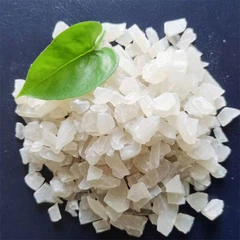
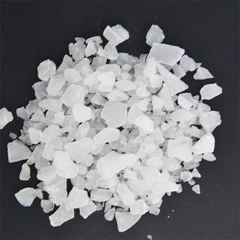
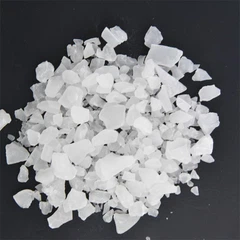
Before delving into its application in ceramics, let's first understand what aluminium sulphate liquid is. Aluminium sulphate, with the chemical formula Al₂(SO₄)₃, is a white crystalline solid that is highly soluble in water. When dissolved in water, it forms an acidic solution known as aluminium sulphate liquid. This liquid is commonly used in water treatment, paper manufacturing, and the textile industry, among others.
Our company offers high - quality Aluminium Sulphate Liquid that meets strict industry standards. It is produced through a carefully controlled manufacturing process to ensure its purity and consistency.
The Requirements of Ceramic Production
Ceramics are made by shaping and firing inorganic, non - metallic materials, typically clay. The production process involves several key steps, including raw material preparation, shaping, drying, and firing. Each step requires specific properties from the materials used to achieve the desired quality and characteristics of the final ceramic product.
The raw materials for ceramics need to have good plasticity for shaping, appropriate shrinkage rates during drying and firing to prevent cracking, and high refractoriness to withstand the high - temperature firing process. Additionally, they should contribute to the desired aesthetic and functional properties of the ceramic, such as color, hardness, and chemical resistance.
Potential Applications of Aluminium Sulphate Liquid in Ceramics
1. Flocculation and Sedimentation in Raw Material Preparation
In the preparation of ceramic raw materials, it is often necessary to separate impurities from the clay. Aluminium sulphate liquid can act as a flocculant. When added to a suspension of clay particles in water, it causes the fine clay particles to aggregate into larger flocs. These flocs settle more quickly, allowing for easier separation of the clay from water and impurities. This process can improve the purity of the raw clay, which is crucial for producing high - quality ceramics.
For example, in the production of porcelain, which requires very pure clay, the use of aluminium sulphate liquid for flocculation can help remove fine - grained impurities that could otherwise affect the translucency and strength of the final product.
2. Modifying the Surface Properties of Ceramics
Aluminium sulphate liquid can also be used to modify the surface properties of ceramics. When applied to the surface of a ceramic body before firing, it can react with the surface components of the ceramic to form a thin layer with different chemical and physical properties.
This layer can enhance the ceramic's resistance to corrosion, improve its gloss, or change its color. For instance, in some decorative ceramic applications, the addition of aluminium sulphate liquid can create unique surface effects, giving the ceramic a more appealing appearance.
3. Influencing the Firing Process
During the firing process, aluminium sulphate can decompose and release gases. This gas release can have an impact on the porosity and microstructure of the ceramic. By carefully controlling the amount of aluminium sulphate liquid added, it is possible to adjust the porosity of the ceramic, which in turn affects its mechanical properties, such as strength and thermal insulation.
However, it is important to note that the use of aluminium sulphate liquid in the firing process requires precise control. Excessive gas release can cause cracking or blistering of the ceramic if not managed properly.
Advantages and Disadvantages
Advantages
- Cost - effective: Aluminium sulphate liquid is relatively inexpensive compared to some other specialty chemicals used in ceramics. This makes it an attractive option for ceramic manufacturers looking to reduce production costs without sacrificing quality.
- Versatility: As mentioned above, it can be used in multiple stages of the ceramic production process, from raw material preparation to surface modification.
- Availability: Our company, as a reliable supplier, can ensure a stable supply of Aluminium Sulphate Liquid to meet the production needs of ceramic manufacturers.
Disadvantages
- Chemical Reactivity: Aluminium sulphate liquid is acidic, and its use may require careful consideration of the compatibility with other raw materials in the ceramic production process. It can react with certain alkaline substances, which could potentially affect the properties of the ceramic.
- Process Control: To achieve the desired results, precise control of the amount of aluminium sulphate liquid added and the processing conditions is necessary. Improper use can lead to quality issues in the final ceramic product.
Case Studies and Industry Experience
There are several examples in the ceramic industry where aluminium sulphate liquid has been successfully used. In some tile manufacturing plants, aluminium sulphate liquid is used in the raw material preparation stage to improve the quality of the clay. By removing impurities through flocculation, the tiles produced have better surface smoothness and color uniformity.
In the production of sanitary ware, the use of aluminium sulphate liquid for surface modification has been shown to enhance the chemical resistance of the ceramic, making it more suitable for use in wet environments.
Other Related Aluminium Sulphate Products
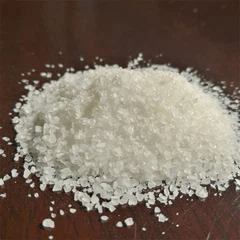
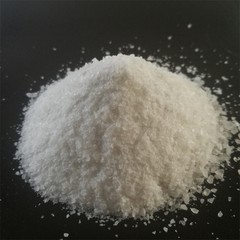
In addition to aluminium sulphate liquid, we also offer Iron - Free Aluminum Sulfate Powder For Sewage Treatment and Aluminum Sulphate Powder. These products may also have potential applications in the ceramic industry, depending on the specific requirements of the production process.
The powder forms can be more convenient for some applications where a solid form is preferred, or where the dosage needs to be more precisely measured in a dry state.
Conclusion
In conclusion, aluminium sulphate liquid can indeed be used in the production of ceramics. It has several potential applications in raw material preparation, surface modification, and influencing the firing process. However, its use requires careful consideration of the specific requirements of the ceramic production process and precise control of the processing conditions.
As a supplier of high - quality aluminium sulphate liquid, we are committed to providing our customers with the best products and technical support. If you are a ceramic manufacturer interested in exploring the use of aluminium sulphate liquid in your production process, we encourage you to contact us for further discussion and to start a procurement negotiation. We believe that our products can bring value to your ceramic production and help you achieve better product quality and cost - effectiveness.


References
- "Ceramics: Science and Technology" by J. Reed.
- "Water Treatment Chemicals" by P. Gregory.
- Industry reports on ceramic production and chemical additives.
Send Inquiry