

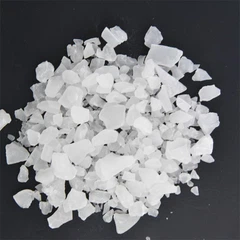
Can aluminium sulphate water be used in the cosmetic industry?
Aug 14, 2025
Leave a message
Can Aluminium Sulphate Water Be Used in the Cosmetic Industry?
As a supplier of aluminium sulphate water, I've often been asked about its potential applications in the cosmetic industry. Aluminium sulphate, also known as alum, is a well - known chemical compound with a wide range of uses, from water treatment to paper manufacturing. But can it find a place in the world of cosmetics? Let's delve into this topic.
Understanding Aluminium Sulphate Water
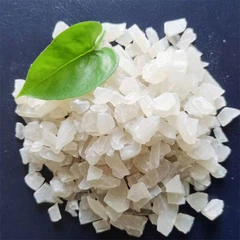
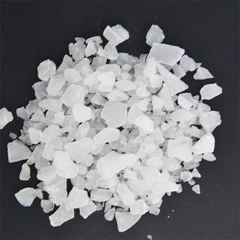
Aluminium sulphate water is a solution where aluminium sulphate is dissolved in water. In the water treatment industry, it plays a crucial role. For instance, Sewage Treatment Aluminum Sulphate is used to clarify water by causing suspended particles to clump together, making them easier to remove. Similarly, Aluminum Sulphate for Portable Water and Aluminum Sulfate in Drinking Water are used to purify water for human consumption.
The chemical formula of aluminium sulphate is (Al_2(SO_4)_3). When dissolved in water, it dissociates into aluminium ions ((Al^{3+})) and sulphate ions ((SO_4^{2 -})). These ions have certain chemical and physical properties that could potentially be beneficial in the cosmetic industry.
Potential Benefits in Cosmetics
One of the main potential benefits of aluminium sulphate water in cosmetics is its astringent properties. An astringent is a substance that causes the contraction of body tissues, typically used to reduce the appearance of pores and control oiliness on the skin. Aluminium ions in the solution can interact with proteins in the skin, causing a mild tightening effect. This can be particularly useful in products such as toners and facial masks for people with oily or combination skin.
Another possible application is in anti - perspirant products. Aluminium salts, including aluminium sulphate, are commonly used in anti - perspirants to block sweat glands. When applied to the skin, the aluminium ions react with the moisture in sweat, forming a gel - like plug that temporarily blocks the sweat ducts. This reduces the amount of sweat reaching the skin's surface, helping to keep the underarms and other areas dry.
Aluminium sulphate water may also have some antibacterial properties. The aluminium ions can disrupt the cell membranes of bacteria, preventing their growth and reproduction. This could be beneficial in cosmetic products such as body washes and hand sanitizers, where preventing the growth of bacteria is important for maintaining good hygiene.
Safety Considerations
However, the use of aluminium sulphate water in cosmetics also raises some safety concerns. One of the main concerns is the potential for aluminium to be absorbed into the body. Although the skin acts as a barrier, some aluminium can still penetrate the skin, especially if the skin is damaged or irritated.
There has been some debate about the long - term health effects of aluminium exposure. Some studies have suggested a possible link between aluminium and Alzheimer's disease, although the evidence is not conclusive. In addition, aluminium can cause skin irritation in some people, especially those with sensitive skin.
To address these concerns, it is essential to use aluminium sulphate water in cosmetics at appropriate concentrations. Regulatory bodies such as the Food and Drug Administration (FDA) in the United States and the European Union's Cosmetics Regulation set limits on the amount of aluminium that can be used in cosmetic products. Cosmetic manufacturers need to ensure that their products comply with these regulations to ensure consumer safety.
Regulatory Landscape
In the United States, the FDA regulates the use of aluminium in cosmetics under the Federal Food, Drug, and Cosmetic Act. The agency has established specific requirements for the use of aluminium salts in anti - perspirants, including limits on the concentration of aluminium and the need for proper labeling.
In the European Union, the Cosmetics Regulation sets out strict rules for the safety assessment of cosmetic ingredients. Aluminium sulphate is listed in the Cosmetic Ingredients Database, and its use is permitted in cosmetics as long as it meets the safety requirements. Manufacturers are required to conduct safety assessments and provide evidence of the safety of their products before they can be placed on the market.
Market Trends and Consumer Perception
The consumer perception of aluminium in cosmetics is changing. With the growing interest in natural and organic cosmetics, some consumers are wary of products containing aluminium. They prefer products that are free from synthetic chemicals and potential toxins.
However, there is also a segment of the market that values the effectiveness of aluminium - containing products. For example, anti - perspirants with aluminium salts are still widely used because they provide reliable protection against sweating. Cosmetic manufacturers need to balance the demand for effective products with the concerns of consumers about safety and natural ingredients.
Our Role as a Supplier
As a supplier of aluminium sulphate water, we understand the importance of providing high - quality products that meet the safety and quality standards of the cosmetic industry. We work closely with our customers to ensure that they have access to the information they need to make informed decisions about using our products in their cosmetics.
We conduct regular quality control checks on our aluminium sulphate water to ensure its purity and consistency. We also provide technical support to our customers, helping them to determine the appropriate concentrations of aluminium sulphate water for their specific cosmetic formulations.
In addition, we are committed to staying up - to - date with the latest research and regulatory requirements in the cosmetic industry. This allows us to provide our customers with the most accurate and relevant information about the use of aluminium sulphate water in cosmetics.


Conclusion
In conclusion, aluminium sulphate water has the potential to be used in the cosmetic industry, thanks to its astringent, anti - perspirant, and antibacterial properties. However, its use also raises some safety concerns, and it is essential to use it at appropriate concentrations and in compliance with regulatory requirements.
As a supplier, we are confident in the quality and safety of our aluminium sulphate water. We believe that with proper use and formulation, it can be a valuable ingredient in a variety of cosmetic products.
If you are a cosmetic manufacturer interested in exploring the use of aluminium sulphate water in your products, we would be delighted to discuss your needs further. Please feel free to reach out to us to start a conversation about how our products can meet your requirements.
References
- Cosmetics Regulation (EC) No 1223/2009 of the European Parliament and of the Council of 30 November 2009 on cosmetic products.
- U.S. Food and Drug Administration. Code of Federal Regulations Title 21 - Food and Drugs, Part 350 - Antiperspirant Drug Products for Over - the - Counter Human Use.
- Exley, C. (2013). Aluminium and Alzheimer's disease: after a century of controversy, is there a plausible link? Journal of Inorganic Biochemistry, 120, 56 - 65.
- Maibach, H. I., & Boisits, E. K. (Eds.). (2008). Dermatotoxicology. Informa Healthcare.
Send Inquiry