

Does aluminum sulfate fertilizer increase soil fertility?
Jan 09, 2026
Leave a message
In the realm of modern agriculture, the pursuit of enhancing soil fertility is a constant endeavor. As a supplier of aluminum sulfate fertilizer, I've seen firsthand the interest and questions surrounding its impact on soil health. This blog delves into the scientific aspects of whether aluminum sulfate fertilizer can truly increase soil fertility.
Understanding Aluminum Sulfate Fertilizer
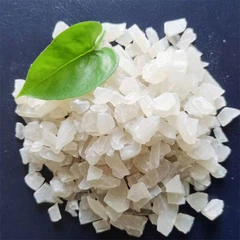
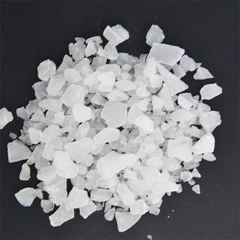
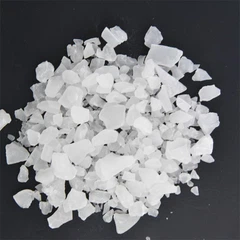
Aluminum sulfate, chemically represented as Al₂(SO₄)₃, is a compound that has found multiple applications in agriculture. It is commonly used as a soil amendment and fertilizer. Aluminum sulfate has unique properties that make it relevant in the context of soil management.


One of the key features of aluminum sulfate is its ability to adjust soil pH. In many agricultural regions, soil pH plays a crucial role in determining nutrient availability to plants. Most plants thrive in slightly acidic to neutral soils. When the soil is too alkaline, essential nutrients such as iron, manganese, and phosphorus can become less available to plants. Aluminum sulfate can react with water in the soil to form sulfuric acid, which gradually lowers the soil pH. This acidification process can unlock nutrients that were previously bound in the soil, making them accessible to plant roots.
The Impact on Soil Nutrient Availability
The relationship between aluminum sulfate and soil nutrient availability is complex but scientifically grounded. When aluminum sulfate is applied to the soil, it can influence the solubility of various nutrients. For example, as the soil pH decreases due to the addition of aluminum sulfate, the solubility of iron increases. Iron is an essential micronutrient for plants, playing a vital role in photosynthesis and enzyme activation. By increasing iron solubility, aluminum sulfate can potentially enhance plant growth and development.
Similarly, the availability of manganese also improves under slightly acidic conditions. Manganese is involved in numerous biochemical processes in plants, including photosynthesis, respiration, and nitrogen metabolism. Therefore, the addition of aluminum sulfate fertilizer can indirectly contribute to better plant health by increasing the availability of these essential micronutrients.
However, it's important to note that the effect of aluminum sulfate on nutrient availability is not uniform across all nutrients. Some nutrients, such as calcium and magnesium, may become less available at lower soil pH levels. Therefore, careful consideration must be given to the overall nutrient balance in the soil when using aluminum sulfate as a fertilizer.
Influence on Soil Microorganisms
Soil microorganisms are the unsung heroes of soil fertility. They play a crucial role in organic matter decomposition, nutrient cycling, and plant growth promotion. Aluminum sulfate can have both positive and negative impacts on soil microorganisms.
On one hand, the acidification caused by aluminum sulfate can create a more favorable environment for some acid - loving microorganisms. These microorganisms can break down organic matter more efficiently, releasing nutrients such as nitrogen, phosphorus, and potassium into the soil. This process, known as mineralization, enriches the soil with available nutrients for plant uptake.
On the other hand, excessive application of aluminum sulfate can lead to a significant drop in soil pH, which may be detrimental to some beneficial microorganisms. For example, some bacteria and fungi that are important for nitrogen fixation and disease suppression may be sensitive to highly acidic conditions. Therefore, it's essential to use aluminum sulfate fertilizer judiciously to maintain a healthy balance of soil microorganisms.
Considerations for Different Soil Types
The effectiveness of aluminum sulfate fertilizer in increasing soil fertility can vary depending on the soil type. In sandy soils, which are often well - drained but low in nutrients and organic matter, aluminum sulfate can help to retain nutrients better. The acidification process can cause the formation of aluminum hydroxide gels, which can adsorb and hold onto nutrients, preventing them from leaching out of the soil.
In clay soils, which have a high cation exchange capacity (CEC), the impact of aluminum sulfate may be different. While it can still adjust the soil pH and enhance nutrient availability, the high CEC of clay soils may buffer the acidification process. This means that larger amounts of aluminum sulfate may be required to achieve the desired pH change compared to sandy soils.
Case Studies and Research Findings
Numerous scientific studies have been conducted to evaluate the impact of aluminum sulfate on soil fertility. For instance, a study in a vineyard region found that the application of aluminum sulfate fertilizer significantly increased the availability of iron and manganese in the soil. This led to improved grapevine growth and higher fruit yields.
Another research project focused on agricultural fields in a region with alkaline soil. The addition of aluminum sulfate helped to lower the soil pH to a more optimal range for crop growth. As a result, the uptake of essential nutrients by plants increased, leading to better overall crop health and productivity.
Potential Risks and Precautions
While aluminum sulfate can have positive effects on soil fertility, it also comes with some potential risks. Excessive application of aluminum sulfate can lead to aluminum toxicity in plants. Aluminum is a non - essential element for plants, and high levels of aluminum in the soil solution can inhibit root growth, reduce nutrient uptake, and ultimately affect plant health.
To mitigate these risks, it's important to follow recommended application rates based on soil testing results. Soil testing can provide valuable information about the current pH, nutrient levels, and aluminum content of the soil. This allows farmers and gardeners to make informed decisions about the appropriate amount of aluminum sulfate to apply.
Conclusion
In conclusion, aluminum sulfate fertilizer has the potential to increase soil fertility under the right conditions. Its ability to adjust soil pH and enhance the availability of essential nutrients can contribute to improved plant growth and productivity. However, careful consideration must be given to factors such as soil type, nutrient balance, and the impact on soil microorganisms.
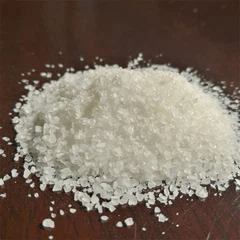
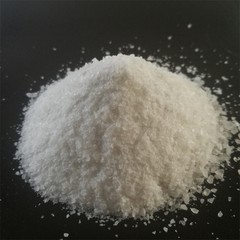
As a supplier of Aluminium Sulphate Fertilizer, I understand the importance of providing high - quality products and accurate information to our customers. Our Aluminum Sulfate Soil Amendment is formulated to meet the specific needs of different agricultural and horticultural applications.
If you're interested in learning more about how aluminum sulfate fertilizer can benefit your soil and crops, or if you're considering purchasing our products, we encourage you to reach out for a detailed discussion. We're committed to helping you achieve optimal soil fertility and plant health.
References
- Brady, N. C., & Weil, R. R. (2008). The nature and properties of soils. Pearson Prentice Hall.
- Marschner, P. (2012). Mineral nutrition of higher plants. Academic press.
- Smith, R. L., & Doran, J. W. (1996). Soil quality for sustainable land management: Organic matter and aggregation interactions that maintain soil functions. Advances in Agronomy, 56, 1 - 51.
Send Inquiry