

What are the effects of aluminium sulphate liquid on the viscosity of liquids?
Jan 09, 2026
Leave a message
Aluminium sulfate, in its liquid form, is a chemical compound that plays a significant role in various industrial and environmental applications. Understanding its effects on the viscosity of liquids is crucial for industries that rely on precise control of fluid properties. As a supplier of high - quality aluminium sulfate liquid, I have witnessed firsthand the diverse applications and the importance of this knowledge in optimizing processes.
Understanding Aluminium Sulfate Liquid
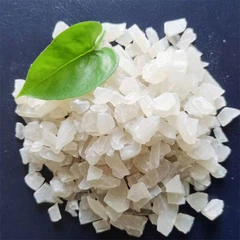
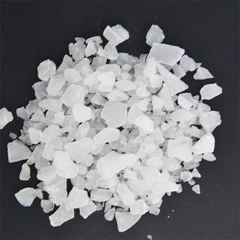
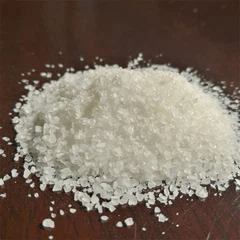
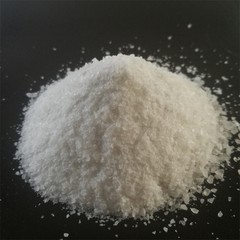
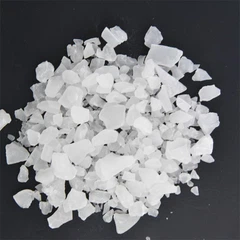
Aluminium sulfate liquid is a solution of aluminium sulfate in water. It is commonly used in water treatment, paper manufacturing, textile processing, and as a mordant in dyeing. The compound is formed by the reaction of aluminium hydroxide or bauxite with sulfuric acid. Our company offers different formulations of aluminium sulfate liquid to meet the specific needs of our clients, along with related products such as Granular Aluminum Sulfate, Aluminium Sulphate Octadecahydrate, and Industrial Aluminum Sulphate
Mechanisms Affecting Viscosity
Molecular Interactions
The addition of aluminium sulfate liquid to a liquid can alter its viscosity through molecular interactions. Aluminium sulfate dissociates in water to form aluminium ions ($Al^{3+}$) and sulfate ions ($SO_4^{2 -}$). These ions can interact with the molecules of the base liquid in several ways. For example, in aqueous solutions, the aluminium ions can form hydrates by attracting water molecules around them. The formation of these hydrated complexes can increase the size and effective volume of the solute particles in the solution. As a result, the friction between the molecules in the liquid increases, leading to an increase in viscosity.
In non - aqueous liquids, the charged ions from aluminium sulfate can interact with polar or charged groups in the liquid molecules. These electrostatic interactions can lead to the formation of aggregates or networks, which can significantly increase the resistance to flow and thus the viscosity of the liquid.
Concentration Effects
The concentration of aluminium sulfate liquid in a solution has a profound impact on viscosity. At low concentrations, the effect on viscosity may be minimal as the number of aluminium ions and sulfate ions is relatively small. As the concentration increases, more ions are available to interact with the liquid molecules. There is a point where the ions start to form cross - links or aggregates, causing a sharp increase in viscosity.
However, at very high concentrations, the solution may become saturated, and the excess aluminium sulfate may start to precipitate out. This can lead to a decrease in the effective number of ions in the solution and a subsequent decrease in viscosity. Therefore, finding the optimal concentration of aluminium sulfate liquid for a desired viscosity is crucial in many industrial processes.
Applications in Different Industries
Water Treatment
In water treatment, the effect of aluminium sulfate liquid on viscosity is closely related to its role as a coagulant. When added to water containing suspended particles, aluminium sulfate hydrolyzes to form positively charged aluminium hydroxide complexes. These complexes neutralize the negative charges on the suspended particles, causing them to aggregate or coagulate. As the particles coagulate, the viscosity of the water - particle mixture may increase slightly.
This increase in viscosity can have practical implications. For example, it can affect the flow rate in pipes and the efficiency of sedimentation processes. Understanding the relationship between the amount of aluminium sulfate added and the resulting viscosity is essential for optimizing the water treatment process and ensuring efficient removal of impurities.


Paper Manufacturing
In the paper industry, aluminium sulfate liquid is used as a sizing agent to control the absorption of ink and water by paper. The addition of aluminium sulfate to the pulp affects the viscosity of the pulp slurry. An increase in viscosity can improve the retention of fibres and fillers in the pulp, leading to better paper formation.
On the other hand, if the viscosity is too high, it can cause problems in the paper - making process, such as poor drainage and uneven distribution of the pulp on the paper machine. Manufacturers need to carefully control the amount of aluminium sulfate liquid added to achieve the desired viscosity and paper quality.
Textile Dyeing
In textile dyeing, aluminium sulfate liquid is used as a mordant to improve the fastness of dyes on fabrics. When added to the dye bath, it can affect the viscosity of the dye solution. The change in viscosity can influence the diffusion of dye molecules into the fabric fibres.
A higher viscosity may slow down the diffusion process, allowing for more even dyeing. However, if the viscosity is too high, it can prevent the dye from reaching all parts of the fabric, resulting in uneven coloration. Textile manufacturers need to understand how aluminium sulfate liquid affects the viscosity of the dye solution to optimize the dyeing process.
Factors Influencing the Impact on Viscosity
Temperature
Temperature plays a crucial role in how aluminium sulfate liquid affects the viscosity of a liquid. Generally, as the temperature increases, the kinetic energy of the molecules in the liquid also increases. This increased kinetic energy can overcome some of the molecular interactions caused by the aluminium sulfate ions, leading to a decrease in viscosity.
In industrial processes, temperature control is often necessary to maintain the desired viscosity when using aluminium sulfate liquid. For example, in water treatment plants, the temperature of the water can vary seasonally. Operators need to adjust the amount of aluminium sulfate added based on the temperature to ensure consistent coagulation and viscosity control.
pH of the Solution
The pH of the solution also affects the hydrolysis of aluminium sulfate and its subsequent impact on viscosity. At different pH values, aluminium ions can exist in different forms, such as $Al^{3+}$, $Al(OH)^{2+}$, $Al(OH)_2^{+}$, and $Al(OH)_3$. These different species have different abilities to interact with the liquid molecules and form complexes.
For example, at low pH values, the aluminium ions are mainly in the form of $Al^{3+}$, which can form strong electrostatic interactions. As the pH increases, more hydroxide complexes are formed, and their interactions with the liquid molecules may change. This can lead to different effects on viscosity. Controlling the pH of the solution is, therefore, an important aspect of using aluminium sulfate liquid to adjust viscosity.
Importance for Our Clients as a Supplier
As a supplier of aluminium sulfate liquid, understanding the effects on liquid viscosity is of utmost importance for our clients. Different industries have different requirements for viscosity control in their processes. By providing high - quality aluminium sulfate liquid and sharing our knowledge about its effects on viscosity, we can help our clients optimize their operations.
For water treatment plants, we can assist in determining the right dosage of aluminium sulfate liquid to achieve the optimal coagulation and viscosity for efficient sedimentation. In the paper and textile industries, we can work with manufacturers to find the best concentration and conditions for using aluminium sulfate liquid to improve product quality.
Conclusion
The effects of aluminium sulfate liquid on the viscosity of liquids are complex and depend on various factors such as concentration, temperature, and pH. These effects have significant implications in multiple industries, including water treatment, paper manufacturing, and textile dyeing.
As a reliable supplier of aluminium sulfate liquid, we are committed to providing our clients with the best - quality products and technical support. Whether you need Granular Aluminum Sulfate, Aluminium Sulphate Octadecahydrate, or Industrial Aluminum Sulphate, our team of experts is ready to help you find the right solution for your specific needs. If you are interested in learning more about our products or discussing your procurement requirements, please feel free to contact us for a detailed consultation.
References
- Stumm, W., & Morgan, J. J. (1996). Aquatic Chemistry: Chemical Equilibria and Rates in Natural Waters. Wiley - Interscience.
- Papirio, S., & Malamis, S. (2016). Coagulation and flocculation processes in water and wastewater treatment. In Water Treatment (pp. 1 - 32). Elsevier.
- Hubbe, M. A., & Rojas, O. J. (2008). Colloidal aspects of wet - end chemistry in papermaking. Advances in Colloid and Interface Science, 139(1), 81 - 105.
Send Inquiry