

Can aluminum sulfate be used in coastal soil amendment?
Dec 16, 2025
Leave a message
Hey there! I'm an aluminum sulfate soil amendment supplier, and I get a lot of questions about whether aluminum sulfate can be used in coastal soil amendment. So, I thought I'd share my thoughts and findings on this topic.
Understanding Coastal Soil
First off, let's take a quick look at coastal soil. Coastal areas often have unique soil characteristics. The soil there can be sandy, with poor water - holding capacity and low organic matter content. Also, due to the proximity to the ocean, it may have a high salt content. High salt levels can be a real pain for plants, as they can cause water stress, ion toxicity, and disrupt nutrient uptake.
The Role of Aluminum Sulfate in Soil
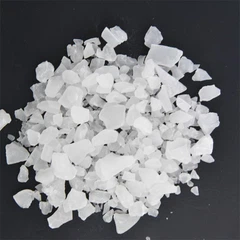
Aluminum sulfate, as many of you might know, has several functions when it comes to soil. It can lower the soil's pH, making acidic - loving plants like blueberries, azaleas, and rhododendrons happier. When aluminum sulfate dissolves in the soil, it releases aluminum and sulfate ions. The aluminum ions react with water in the soil to form hydrogen ions ((H^{+})), which in turn lower the soil pH.


Besides pH adjustment, it can also serve as a flocculant in some cases. It helps to coagulate small soil particles, improving soil structure and porosity. This can enhance water infiltration and drainage in the soil.
Using Aluminum Sulfate in Coastal Soil
Now, let's get to the big question: Can aluminum sulfate be used in coastal soil amendment?
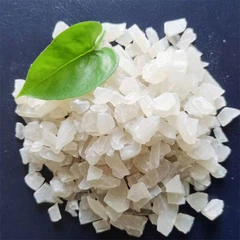
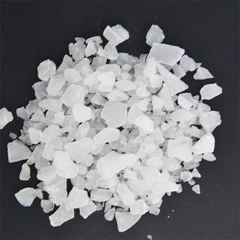
pH Adjustment: In coastal areas, the high salt content in the soil can sometimes lead to a slightly alkaline pH. Many plants prefer a more acidic environment. By using aluminum sulfate, we can potentially bring the soil pH down to a more suitable range for these plants. For example, if you're planning to grow a coastal garden with acid - loving ornamentals, aluminum sulfate can be a game - changer. You can check out Aluminium Sulphate Fertilizer to learn more about its fertilizing properties and how it can adjust soil pH.
Improving Soil Structure: Coastal sandy soils often struggle to hold onto water and nutrients. The flocculating action of aluminum sulfate can help bind the sandy particles together. This creates larger aggregates, improving soil porosity and water - holding capacity. As a result, plants can access water and nutrients more easily.
Salt Tolerance: While aluminum sulfate itself doesn't directly reduce the salt content in the soil, it can help plants better tolerate the existing salt levels. By improving soil structure and adjusting pH, the overall soil environment becomes more favorable for plant growth. This can enhance the plants' ability to withstand the stress caused by high salt concentrations.
Potential Concerns
Of course, using aluminum sulfate in coastal soil amendment isn't without its potential drawbacks.
Aluminum Toxicity: At high concentrations, aluminum can be toxic to plants. In very acidic soils (pH below 5.0), the solubility of aluminum increases significantly. This can lead to an excessive amount of aluminum being taken up by plants, which can inhibit root growth and disrupt various physiological processes. So, it's crucial to apply aluminum sulfate in the right amounts and monitor the soil pH regularly.
Environmental Impact: If not used properly, aluminum sulfate can leach into groundwater and nearby water bodies. This can have negative impacts on aquatic ecosystems. Aluminum can be toxic to fish and other aquatic organisms, and it can also affect the water's chemistry.
Application Tips
If you decide to use aluminum sulfate for coastal soil amendment, here are some tips:
-
Soil Testing: Before applying aluminum sulfate, test your soil. This will give you an accurate understanding of the soil's pH, salt content, and nutrient levels. Based on the test results, you can determine the appropriate amount of aluminum sulfate to use.
-
Gradual Application: Don't go all - in with a large dose of aluminum sulfate at once. Instead, apply it gradually over time. This helps to prevent sudden changes in soil pH and reduces the risk of aluminum toxicity.
-
Mixing: Make sure to mix the aluminum sulfate thoroughly with the soil. This ensures an even distribution of the amendment and maximizes its effectiveness.
Conclusion
In conclusion, aluminum sulfate can be a useful tool for coastal soil amendment. It can help adjust soil pH, improve soil structure, and enhance plant tolerance to salt. However, it's essential to use it responsibly, taking into account the potential risks of aluminum toxicity and environmental impact.
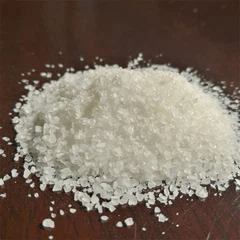
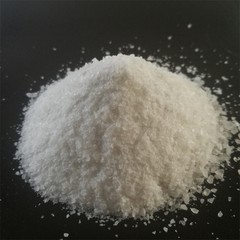
If you're interested in using Aluminum Sulfate Soil Amendment for your coastal soil projects, I'd love to have a chat with you. Whether you have more questions about its application, dosage, or anything else related to soil amendment, feel free to reach out. Let's work together to create healthy and thriving coastal soils!
References
- Brady, N. C., & Weil, R. R. (2008). The Nature and Properties of Soils. Prentice Hall.
- Marschner, P. (2012). Mineral Nutrition of Higher Plants. Academic Press.
Send Inquiry