

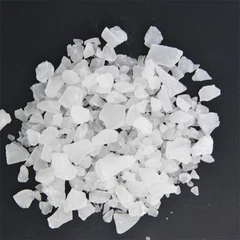
Can aluminum sulfate be used in organic soil amendment?
Sep 12, 2025
Leave a message
As a supplier of aluminum sulfate soil amendment, I've often been asked whether aluminum sulfate can be used in organic soil amendment. This is a crucial question for farmers, gardeners, and environmentalists alike, as the use of appropriate soil amendments is fundamental to sustainable and healthy agriculture.
Understanding Aluminum Sulfate
Aluminum sulfate, also known as alum, is a chemical compound with the formula Al₂(SO₄)₃. It is commonly used in various industries, including water treatment, paper manufacturing, and, of course, agriculture. In agriculture, aluminum sulfate serves multiple purposes. It can be used to lower the pH of soil, making it more acidic. This is particularly useful for plants that thrive in acidic conditions, such as blueberries, azaleas, and rhododendrons. Additionally, it can act as a coagulant in soil, helping to improve soil structure and water infiltration.
The Organic Agriculture Perspective
Organic agriculture is based on principles that emphasize the use of natural materials and processes. The goal is to create a self - sustaining ecosystem where soil health is maintained without the use of synthetic chemicals. The question then arises: does aluminum sulfate fit into this organic framework?
According to the standards set by many organic certification bodies, the use of substances in organic farming must be carefully regulated. Some substances are allowed if they are derived from natural sources and do not have a negative impact on the environment or human health. Aluminum sulfate can be mined from natural deposits, which makes it a potential candidate for organic use. However, the key lies in its source and the way it is processed.
If the aluminum sulfate is sourced from natural, un - contaminated deposits and is processed without the use of harmful chemicals, it may be considered for use in organic soil amendment. For example, some mines extract aluminum sulfate from naturally occurring minerals in an environmentally friendly way. These products can be a valuable addition to organic soil management.
Benefits of Using Aluminum Sulfate in Organic Soil
pH Adjustment
One of the primary benefits of using aluminum sulfate in organic soil is its ability to adjust soil pH. Many organic crops, especially those that prefer acidic soil, can benefit greatly from a lower pH. By adding aluminum sulfate to the soil, the hydrogen ions are released, which in turn lowers the soil's pH. This can enhance the availability of certain nutrients, such as iron and manganese, which are more soluble in acidic conditions. For instance, blueberry plants require a soil pH between 4.0 and 5.5. By using aluminum sulfate to achieve this optimal pH range, blueberry growers can improve the health and productivity of their plants.
Soil Structure Improvement
Aluminum sulfate can also improve soil structure. It acts as a coagulant, causing soil particles to bind together. This results in better aggregation, which improves soil porosity and water infiltration. In organic farming, where the use of synthetic soil conditioners is restricted, aluminum sulfate can be a natural alternative. Improved soil structure allows roots to penetrate more easily, access water and nutrients more efficiently, and promotes better aeration in the soil.


Nutrient Availability
In addition to adjusting pH and improving soil structure, aluminum sulfate can also influence nutrient availability. As mentioned earlier, it can increase the solubility of certain micronutrients. This means that plants can take up these nutrients more readily, leading to healthier growth. For example, in some organic orchards, the application of aluminum sulfate has been shown to improve the uptake of phosphorus, which is essential for flower and fruit development.
Potential Concerns
While there are benefits to using aluminum sulfate in organic soil amendment, there are also some potential concerns that need to be addressed.
Aluminum Toxicity
One of the main concerns is aluminum toxicity. At high concentrations, aluminum can be toxic to plants. If too much aluminum sulfate is applied to the soil, it can lead to an excessive buildup of aluminum ions. This can inhibit root growth, reduce nutrient uptake, and ultimately affect plant health. Therefore, it is crucial to apply aluminum sulfate at the correct rate. Soil testing is essential before applying aluminum sulfate to determine the current soil pH and aluminum levels. Based on the test results, the appropriate amount of aluminum sulfate can be calculated to avoid over - application.
Environmental Impact
Another concern is the potential environmental impact. If aluminum sulfate is not applied properly, it can leach into groundwater or surface water. High levels of aluminum in water bodies can be harmful to aquatic life. It can affect the gills of fish and other aquatic organisms, leading to reduced oxygen uptake and potentially death. To minimize this risk, it is important to follow best management practices when applying aluminum sulfate, such as avoiding application before heavy rainfall and using appropriate application methods.
Our Product: Aluminium Sulphate Fertilizer
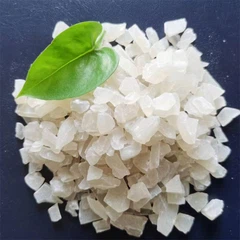
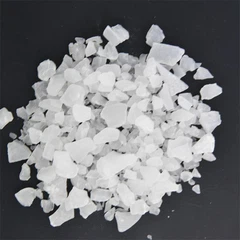
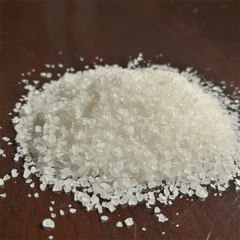
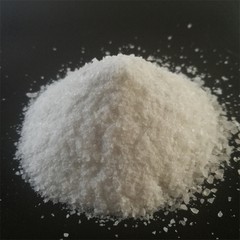
As a supplier, we take great care in sourcing and producing our aluminum sulfate soil amendment. Our Aluminum Sulfate Soil Amendment is sourced from natural deposits that are carefully selected to ensure they are free from contaminants. We use a processing method that is environmentally friendly and does not involve the use of harmful chemicals.
Our product has been tested and proven to be effective in adjusting soil pH and improving soil structure. It is suitable for a wide range of organic crops, from small - scale home gardens to large - scale organic farms. We provide detailed application guidelines to help our customers use our product safely and effectively.
Conclusion
In conclusion, aluminum sulfate can be used in organic soil amendment under the right conditions. Its ability to adjust soil pH, improve soil structure, and enhance nutrient availability makes it a valuable tool for organic farmers and gardeners. However, it is essential to ensure that the product is sourced from natural, un - contaminated deposits and is processed in an environmentally friendly way. Additionally, proper application rates and best management practices must be followed to avoid potential issues such as aluminum toxicity and environmental pollution.
If you are an organic farmer or gardener interested in using aluminum sulfate for soil amendment, we invite you to contact us for more information. Our team of experts can provide you with detailed advice on product selection, application rates, and soil management. We are committed to helping you achieve healthy and sustainable organic agriculture.
References
- Brady, N. C., & Weil, R. R. (2008). The Nature and Properties of Soils. Pearson Prentice Hall.
- Organic Materials Review Institute (OMRI). (n.d.). OMRI Product List. Retrieved from [OMRI official website]
- Stevenson, F. J. (1994). Humus Chemistry: Genesis, Composition, Reactions. John Wiley & Sons.
Send Inquiry