

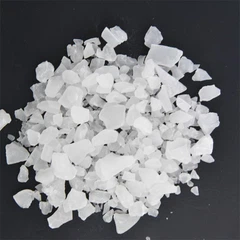
How to determine the dosage of aluminium sulphate water for water treatment?
Sep 12, 2025
Leave a message
Determining the appropriate dosage of aluminium sulphate water for water treatment is a critical process that directly impacts the efficiency and effectiveness of the treatment. As a supplier of Aluminium Sulphate Water, I understand the importance of getting this right. In this blog, I'll share some key factors and methods to help you determine the correct dosage.
Understanding Aluminium Sulphate in Water Treatment
Aluminium sulphate, also known as alum, is widely used in water treatment processes. It acts as a coagulant, helping to remove suspended particles, colloids, and some dissolved organic matter from water. When added to water, aluminium sulphate dissociates into aluminium ions and sulphate ions. The aluminium ions react with water to form aluminium hydroxide flocs, which can trap and settle out impurities, making the water clearer and safer for various uses.
Factors Affecting the Dosage
- Water Quality
The quality of the raw water is one of the most significant factors influencing the dosage of aluminium sulphate. Water with high turbidity, high levels of organic matter, or a high concentration of suspended solids will generally require a higher dosage of aluminium sulphate to achieve effective coagulation. For example, surface water sources such as rivers and lakes often contain more impurities compared to groundwater, so they may need a larger amount of the coagulant. - pH Level
The pH of the water plays a crucial role in the coagulation process. Aluminium sulphate works best within a specific pH range, typically between 5.5 and 7.5. Outside this range, the formation of aluminium hydroxide flocs may be inhibited, reducing the coagulation efficiency. If the pH of the water is too low or too high, additional chemicals may be needed to adjust the pH before adding aluminium sulphate. For instance, if the water is too acidic, lime or soda ash can be added to raise the pH. - Temperature
Water temperature can also affect the coagulation process. In general, lower temperatures slow down the chemical reactions involved in coagulation, meaning that a higher dosage of aluminium sulphate may be required to achieve the same level of treatment at lower temperatures. Cold water can also make the flocs less dense and more difficult to settle, further complicating the treatment process. - Desired Water Quality
The intended use of the treated water also determines the required dosage. For example, water used for drinking purposes must meet strict quality standards, so a more precise and often higher dosage of aluminium sulphate may be necessary to ensure the removal of all harmful contaminants. On the other hand, water used for industrial processes with less stringent quality requirements may require a lower dosage.
Methods for Determining the Dosage
- Jar Testing
Jar testing is a commonly used method to determine the optimal dosage of aluminium sulphate. In this method, a series of jars are filled with samples of the raw water. Different dosages of aluminium sulphate are added to each jar, and the jars are then mixed and allowed to settle. The effectiveness of each dosage is evaluated by observing the formation of flocs, the clarity of the water after settling, and the amount of sludge produced. The dosage that produces the best results, such as the largest and most settleable flocs and the clearest water, is selected as the optimal dosage. - Historical Data and Experience
If you have been treating water with aluminium sulphate for some time, historical data can provide valuable insights into the appropriate dosage. By analyzing past treatment records, you can identify patterns and trends in dosage requirements based on factors such as water source, season, and water quality. Experience also plays a role, as operators who have worked with similar water sources and treatment systems can often make informed estimates of the required dosage. - Online Monitoring and Control Systems
Advanced water treatment plants may use online monitoring and control systems to continuously measure water quality parameters such as turbidity, pH, and conductivity. These systems can adjust the dosage of aluminium sulphate in real - time based on the measured values, ensuring optimal treatment efficiency. For example, if the turbidity of the water increases, the system can automatically increase the dosage of the coagulant.
Calculating the Dosage
Once you have determined the optimal dosage through jar testing or other methods, you need to calculate the actual amount of aluminium sulphate water to add to the water treatment system. The dosage is usually expressed in milligrams per liter (mg/L) or parts per million (ppm).
Let's assume you have determined that the optimal dosage of aluminium sulphate is 20 mg/L, and your water treatment plant has a flow rate of 10,000 cubic meters per day. First, convert the flow rate to liters: 10,000 cubic meters = 10,000,000 liters.
To calculate the amount of aluminium sulphate needed per day, multiply the dosage by the flow rate: 20 mg/L × 10,000,000 L = 200,000,000 mg or 200 kg.
Importance of Correct Dosage
Using the correct dosage of aluminium sulphate is essential for several reasons. Firstly, an insufficient dosage may not effectively remove impurities from the water, resulting in poor water quality. This can lead to problems such as clogged filters, reduced disinfection efficiency, and potential health risks if the water is used for drinking.
Secondly, an excessive dosage can also cause issues. It can increase the cost of treatment due to the higher consumption of chemicals. Additionally, an over - dosage of aluminium sulphate can lead to the formation of excessive sludge, which requires additional handling and disposal. Moreover, high levels of aluminium in the treated water can be a concern, as aluminium has been linked to certain health problems in humans.
Our Role as a Supplier
As a supplier of Aluminium Sulphate Water, we are committed to providing high - quality products and technical support to our customers. Our aluminium sulphate water is carefully formulated to ensure consistent performance and effectiveness in water treatment. We also offer Aluminum Sulphate for Portable Water and Aluminum Sulfate for Water Treatment, which are suitable for different water treatment applications.


Our team of experts can assist you in determining the appropriate dosage for your specific water treatment needs. We can provide guidance on jar testing, pH adjustment, and other aspects of the treatment process. Whether you are a small - scale water treatment plant or a large industrial facility, we have the products and knowledge to help you achieve optimal water treatment results.
Contact Us for Purchase and Consultation
If you are interested in purchasing our aluminium sulphate water or need more information about dosage determination and water treatment, we encourage you to contact us. Our sales team is ready to answer your questions and discuss your specific requirements. We look forward to partnering with you to ensure the efficient and effective treatment of your water.
References
- AWWA (American Water Works Association). Water Treatment Principles and Design.
- Crittenden, J. C., et al. Water Treatment: Principles and Design.
- Letterman, R. D. Water Quality and Treatment: A Handbook of Community Water Supplies.
Send Inquiry