

Can aluminum sulfate fertilizer be mixed with other fertilizers?
Jul 04, 2025
Leave a message
Hey there! I'm an aluminum sulfate fertilizer supplier, and I often get asked if aluminum sulfate fertilizer can be mixed with other fertilizers. Well, let's dig into this topic and find out.
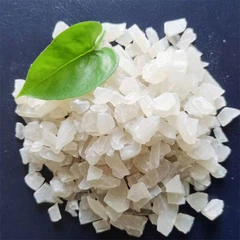
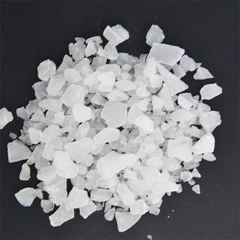
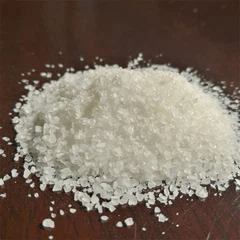
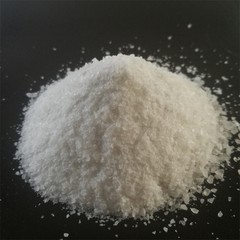
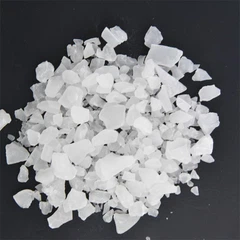
First off, let's understand what aluminum sulfate fertilizer is all about. Aluminum sulfate, also known as alum, has several benefits when it comes to gardening and agriculture. It can be used as a Aluminium Sulphate Fertilizer to acidify the soil. Some plants, like blueberries, azaleas, and rhododendrons, thrive in acidic soil. By applying aluminum sulfate, we can lower the soil's pH level, creating a more suitable environment for these acid - loving plants. It also helps in making certain nutrients more available to the plants.
Now, the big question: can it be mixed with other fertilizers? The answer isn't a simple yes or no; it depends on a few factors.
Compatibility with Nitrogen - based Fertilizers
Nitrogen is a crucial nutrient for plant growth, and there are many nitrogen - based fertilizers on the market, such as urea and ammonium nitrate. Generally speaking, aluminum sulfate can be mixed with some nitrogen fertilizers. For example, ammonium sulfate is a common nitrogen fertilizer that can be combined with aluminum sulfate. Both of them can contribute to soil acidification, so when you mix them, you can achieve a dual effect of providing nitrogen to the plants and lowering the soil pH.
However, when it comes to urea, things get a bit tricky. Urea is a slow - release nitrogen fertilizer. When mixed with aluminum sulfate, the chemical reaction might affect the release rate of nitrogen. Aluminum sulfate can speed up the hydrolysis of urea in the soil, which may lead to a rapid release of ammonia. This can be a problem because ammonia can volatilize into the air, causing a loss of nitrogen and potentially harming the plants. So, if you want to use urea and aluminum sulfate together, it's better to apply them separately at different times.
Mixing with Phosphorus Fertilizers
Phosphorus is essential for root development and flower formation in plants. Superphosphate is a popular phosphorus fertilizer. In most cases, aluminum sulfate can be mixed with superphosphate. The aluminum in aluminum sulfate can react with the phosphate in superphosphate under certain conditions, but this reaction usually occurs slowly and doesn't significantly reduce the availability of phosphorus to plants.
On the other hand, if you're using rock phosphate, which is a natural and slow - release phosphorus source, mixing it with aluminum sulfate might not be a good idea. Aluminum can form insoluble compounds with phosphate in rock phosphate, reducing the solubility and availability of phosphorus. So, it's advisable to keep these two apart.
Interaction with Potassium Fertilizers
Potassium is important for plant stress tolerance and overall plant health. Potassium chloride and potassium sulfate are common potassium fertilizers. Aluminum sulfate can usually be mixed with potassium sulfate without major issues. They are both relatively stable in the soil and can co - exist without causing significant chemical reactions.
But potassium chloride can be a different story. Chloride ions in potassium chloride can react with aluminum ions in aluminum sulfate in the soil solution. This reaction might change the physical and chemical properties of the soil, affecting the availability of other nutrients. Also, some plants are sensitive to chloride, so if you're growing chloride - sensitive plants like strawberries, it's best to avoid mixing aluminum sulfate with potassium chloride.


Using Aluminum Sulfate as a Aluminum Sulfate Soil Amendment with Organic Fertilizers
Organic fertilizers, such as compost and manure, are rich in organic matter and beneficial microorganisms. Mixing aluminum sulfate with organic fertilizers can be a good idea in some situations. Organic matter in the fertilizers can help buffer the potential negative effects of aluminum on the soil. For example, the humic acids in compost can chelate the aluminum ions, reducing their toxicity to plants.
However, you need to be careful about the pH of the organic fertilizer. Some well - decomposed manures are alkaline. If you mix aluminum sulfate with highly alkaline organic fertilizers, the aluminum sulfate will react with the alkaline substances in the manure, neutralizing its acidifying effect. So, before mixing, it's a good idea to test the pH of the organic fertilizer.
Precautions When Mixing Fertilizers
- Test the Soil First: Before you start mixing any fertilizers, it's essential to test your soil. A soil test can tell you the current pH level, nutrient content, and other important information. This way, you can make an informed decision about which fertilizers to mix and in what proportions.
- Follow the Recommended Dosages: Over - application of any fertilizer can be harmful to plants. When you mix fertilizers, make sure to follow the recommended dosages for each fertilizer. This will help you avoid over - acidifying the soil or over - supplying a particular nutrient.
- Observe the Plants: After applying the mixed fertilizers, keep an eye on your plants. Look for any signs of nutrient deficiency, toxicity, or abnormal growth. If you notice any problems, adjust your fertilization strategy accordingly.
Conclusion
In conclusion, aluminum sulfate fertilizer can be mixed with some other fertilizers, but it requires careful consideration. The key is to understand the chemical properties of each fertilizer and how they interact with each other. By making the right choices, you can maximize the benefits of different fertilizers and create an optimal growing environment for your plants.
If you're interested in our Aluminium Sulphate Fertilizer and want to learn more about its application and mixing with other fertilizers, or if you're looking to purchase our products for your gardening or agricultural needs, feel free to reach out. We're always here to help you make the best decisions for your plants.
References
- Brady, N. C., & Weil, R. R. (2008). The Nature and Properties of Soils. Pearson Prentice Hall.
- Havlin, J. L., Tisdale, S. L., Nelson, W. L., & Beaton, J. D. (2005). Soil Fertility and Fertilizers: An Introduction to Nutrient Management. Pearson Education.
Send Inquiry