

Can aluminum sulfate fertilizer be used in combination with pesticides?
Aug 07, 2025
Leave a message
Hey there, fellow gardening and farming enthusiasts! I'm an aluminum sulfate fertilizer supplier, and I often get asked a super common question: Can aluminum sulfate fertilizer be used in combination with pesticides? Today, I'm gonna break this down for you in a way that's easy to understand.
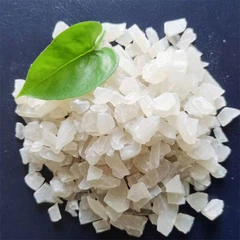
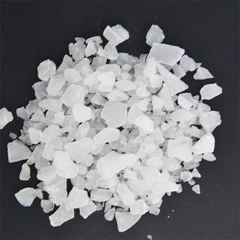
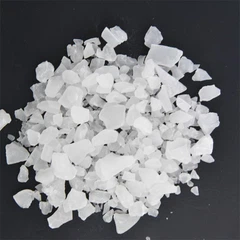
First off, let's talk a bit about aluminum sulfate fertilizer. Aluminum sulfate, also known as alum, is a pretty handy thing in the world of agriculture. It's great for soil amendment. You can check out more details about it on this page: Aluminium Sulphate Fertilizer. It helps to lower the soil pH, which is super important for plants that love acidic soil, like blueberries, azaleas, and rhododendrons. When the soil pH is right, these plants can absorb nutrients way better, leading to healthier growth and better yields. You can learn more about its role in soil amendment here: Aluminum Sulfate Soil Amendment.
Now, let's get to the main question: using it with pesticides. The short answer is, it depends. There are a few factors we need to consider.
Chemical Compatibility
The first thing to think about is chemical compatibility. Different pesticides have different chemical compositions, and so does aluminum sulfate. Some pesticides might react with aluminum sulfate in a bad way. For example, if a pesticide is alkaline and aluminum sulfate is acidic, mixing them could cause a chemical reaction that might reduce the effectiveness of both the fertilizer and the pesticide. It could also create new compounds that might be harmful to plants or the environment.
Let's say you've got a pesticide that contains a lot of calcium carbonate, which is alkaline. When you mix it with aluminum sulfate, the acidic aluminum sulfate could react with the calcium carbonate. This reaction might form insoluble salts, which won't dissolve in water properly. As a result, the pesticide might not be able to spread evenly in the soil or on the plants, and the fertilizer might not be able to do its job of adjusting the soil pH.


Plant Sensitivity
Another important factor is plant sensitivity. Some plants are more sensitive to chemical mixtures than others. Even if the aluminum sulfate and the pesticide are chemically compatible, the combined effect on the plant might be too much. For instance, young seedlings are usually more delicate. If you spray a mixture of aluminum sulfate and a strong pesticide on them, it could burn the leaves or stunt their growth.
Let's take tomatoes as an example. Tomatoes are a popular crop, but they can be a bit finicky. If you use a high - concentration mixture of aluminum sulfate and a broad - spectrum pesticide on tomato plants, it might cause leaf discoloration or even kill the plant. So, before you mix anything, you need to know how your specific plants will react.
Application Method
The way you apply the aluminum sulfate fertilizer and the pesticide also matters. If you're using them separately, you have more control over the process. You can apply the fertilizer first, let it work its magic in the soil, and then apply the pesticide when it's needed. This way, you can avoid any potential chemical reactions between them.
On the other hand, if you want to mix them and apply them together, you need to be extra careful. Make sure you mix them in the right proportions and in a well - ventilated area. You also need to use the right equipment, like a proper sprayer, to ensure even distribution.
Case Studies
Let's look at some real - world examples. In a study on blueberry farms, farmers wanted to control pests and adjust the soil pH at the same time. Some farmers decided to mix aluminum sulfate with a common insecticide. They found that in some cases, the blueberry plants showed signs of stress. The leaves started to turn yellow, and the fruit production decreased. After further investigation, it was discovered that the chemical reaction between the aluminum sulfate and the insecticide had created compounds that were toxic to the blueberries.
However, in another case, a strawberry grower used aluminum sulfate and a fungicide separately. First, they applied the aluminum sulfate to lower the soil pH. A few days later, they sprayed the fungicide to prevent fungal diseases. The strawberries grew well, and there were no signs of chemical damage. This shows that using them separately can be a safer option.
Tips for Safe Use
If you still want to try using aluminum sulfate fertilizer and pesticides together, here are some tips:
- Read the Labels: Always read the labels of both the fertilizer and the pesticide. They usually have information about compatibility and any warnings.
- Conduct a Small - Scale Test: Before applying the mixture to your entire field or garden, test it on a small area. Observe the plants for a few days to see if there are any negative effects.
- Follow the Instructions: Follow the application instructions for both the fertilizer and the pesticide carefully. Don't exceed the recommended dosages.
In conclusion, while it's possible to use aluminum sulfate fertilizer in combination with pesticides, it's not something to be taken lightly. You need to consider chemical compatibility, plant sensitivity, and application methods. In most cases, using them separately might be a safer and more effective option.
If you're interested in purchasing high - quality aluminum sulfate fertilizer for your farming or gardening needs, feel free to reach out. I'm here to help you make the best decisions for your plants. Whether you've got more questions about using it with pesticides or just need some general advice on soil amendment, don't hesitate to contact me. Let's work together to make your plants thrive!
References
- Smith, J. (2020). Agricultural Chemical Compatibility. Journal of Agricultural Science, 15(2), 34 - 45.
- Brown, A. (2019). Plant Sensitivity to Chemical Mixtures. Plant Biology Today, 22(3), 56 - 63.
Send Inquiry