

How does aluminum sulfate fertilizer influence the root hair development of plants?
Aug 07, 2025
Leave a message
Aluminum sulfate fertilizer has gained significant attention in the agricultural and horticultural sectors due to its potential impact on plant growth and development. As a supplier of high - quality aluminum sulfate fertilizer, I am often asked about how this product influences the root hair development of plants. In this blog, I will delve into the scientific aspects of this relationship, exploring the mechanisms at play and the practical implications for growers.
The Importance of Root Hairs in Plants
Root hairs are tiny, tubular outgrowths from the epidermal cells of plant roots. They are essential for a plant's survival and growth. Their main functions include increasing the root surface area for water and nutrient absorption. A larger surface area allows plants to take up more water, which is crucial for photosynthesis, transpiration, and maintaining cell turgidity. Nutrients such as nitrogen, phosphorus, and potassium are also absorbed more efficiently through root hairs. Additionally, root hairs help in anchoring the plant in the soil, providing stability against wind and other environmental forces.
How Aluminum Sulfate Fertilizer Affects the Soil Environment
Aluminum sulfate, when applied to the soil, undergoes a series of chemical reactions. One of the primary effects is the acidification of the soil. Aluminum sulfate hydrolyzes in water to release hydrogen ions, which lower the soil pH. This change in soil pH can have a profound impact on the availability of nutrients in the soil.
For example, in acidic soils created by the addition of aluminum sulfate, the solubility of certain micronutrients such as iron, manganese, and zinc increases. These nutrients become more accessible to plants, which can promote overall plant health and growth. On the other hand, the availability of macronutrients like phosphorus may decrease as it can form insoluble compounds with aluminum at lower pH levels.
The change in soil pH also affects the activity of soil microorganisms. Some beneficial microorganisms may thrive in slightly acidic conditions, while others may be inhibited. These microorganisms play a crucial role in nutrient cycling and soil structure improvement, which in turn can influence root hair development.
Direct and Indirect Effects on Root Hair Development
Direct Effects
Aluminum ions released from aluminum sulfate can have both positive and negative direct effects on root hair development. At low concentrations, aluminum can stimulate root hair formation. It is thought that aluminum may interact with certain signaling pathways in plant cells. For instance, it can influence the activity of plant hormones such as auxin, which is known to play a key role in root hair initiation and elongation.
However, at high concentrations, aluminum can be toxic to plants. Excessive aluminum can damage the root cell membranes, disrupt the normal functioning of cells, and ultimately inhibit root hair growth. This toxicity is often associated with the binding of aluminum to important biomolecules such as proteins and nucleic acids, interfering with their normal functions.
Indirect Effects through Nutrient Availability
As mentioned earlier, the acidification of soil by aluminum sulfate affects nutrient availability. An increase in the availability of certain micronutrients can promote root hair development. For example, iron is essential for the synthesis of enzymes involved in root hair growth. When iron becomes more available in acidic soils, it can enhance the metabolic processes in root cells, leading to more vigorous root hair growth.
Conversely, the decreased availability of phosphorus can have a negative impact on root hair development. Phosphorus is crucial for energy transfer and storage in plant cells. A deficiency in phosphorus can lead to stunted root growth and fewer root hairs.
Case Studies and Research Findings
Numerous studies have been conducted to investigate the relationship between aluminum sulfate fertilizer and root hair development. In a study on blueberries, which are known to prefer acidic soils, the application of aluminum sulfate led to an increase in root hair density. The acidification of the soil by aluminum sulfate made iron and other micronutrients more available, which in turn promoted root hair growth. This was reflected in improved plant growth and higher fruit yields.
On the other hand, in some crops like wheat, high - dose applications of aluminum sulfate resulted in reduced root hair development. The toxic levels of aluminum in the soil damaged the root cells, leading to a decrease in root hair formation and overall root growth. This shows that the response of plants to aluminum sulfate can vary depending on the plant species and the application rate.
Practical Implications for Growers
For growers, understanding the impact of aluminum sulfate fertilizer on root hair development is crucial for making informed decisions. When using aluminum sulfate, it is important to consider the specific needs of the plant species. Some plants, such as azaleas, rhododendrons, and hydrangeas, thrive in acidic soils and can benefit from the application of aluminum sulfate to promote root hair growth and overall plant health.
Growers should also pay attention to the application rate. A soil test is recommended before applying aluminum sulfate to determine the current soil pH and nutrient levels. This will help in calculating the appropriate amount of fertilizer to apply to achieve the desired soil pH without causing aluminum toxicity.
In addition, it is advisable to combine the use of aluminum sulfate with other fertilizers and soil amendments. For example, adding organic matter to the soil can help buffer the effects of aluminum sulfate and improve soil structure. Organic matter can also provide additional nutrients and promote the growth of beneficial soil microorganisms.
Our High - Quality Aluminum Sulfate Fertilizer
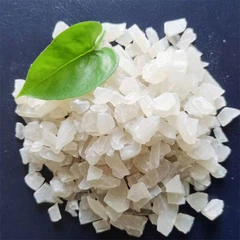
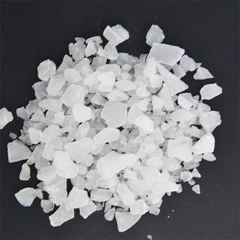
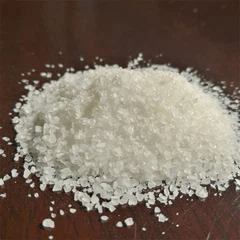
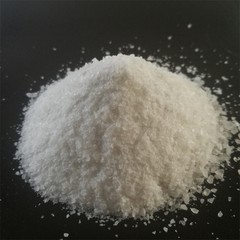
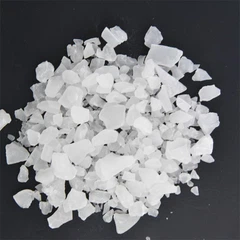
As a supplier of aluminum sulfate fertilizer, we are committed to providing high - quality products that can effectively influence root hair development in plants. Our Aluminum Sulfate Soil Amendment is carefully formulated to ensure the right balance of nutrients and the appropriate acidifying properties. It is suitable for a wide range of plants, especially those that prefer acidic soils.
Our Aluminium Sulphate Fertilizer is produced using advanced manufacturing processes to guarantee its purity and effectiveness. We conduct strict quality control measures to ensure that our products meet the highest standards.
If you are a grower looking to improve the root hair development of your plants and enhance their overall growth and productivity, we invite you to contact us for more information. Our team of experts is ready to provide you with professional advice on the use of our aluminum sulfate fertilizer and help you achieve the best results in your agricultural or horticultural endeavors.


References
- Marschner, H. (1995). Mineral Nutrition of Higher Plants. Academic Press.
- Fageria, N. K., Baligar, V. C., & Clark, R. B. (2002). Growth and Mineral Nutrition of Field Crops. CRC Press.
- Kochian, L. V., Piñeros, M. A., & Hoekenga, O. A. (2004). How do crop plants tolerate acid soils? Mechanisms of aluminum tolerance and phosphorous efficiency. Annual Review of Plant Biology, 55, 459 - 493.
Send Inquiry