

Can aluminum sulfate fertilizer be used in forestry?
Jan 07, 2026
Leave a message
Can aluminum sulfate fertilizer be used in forestry? This question has been a topic of discussion among foresters, environmentalists, and agricultural experts for some time. As a supplier of aluminum sulfate fertilizer, I am often asked about its potential applications in forestry. In this blog, I will explore the scientific aspects of using aluminum sulfate fertilizer in forestry, addressing its benefits, potential drawbacks, and the current state of research on the topic.
Understanding Aluminum Sulfate Fertilizer
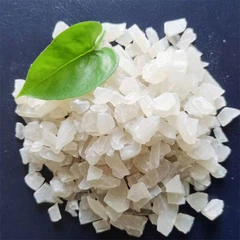
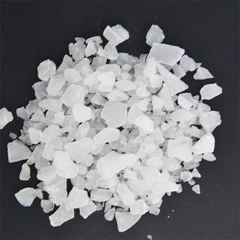
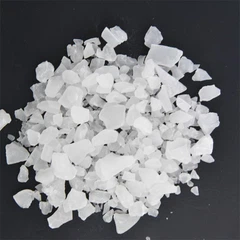
Aluminum sulfate, also known as alum, is a chemical compound commonly used in various industries. In agriculture, it is primarily used as a soil amendment to correct soil pH levels and provide essential nutrients to plants. When dissolved in water, aluminum sulfate releases aluminum ions, which can react with soil components to lower the pH. This property makes it particularly useful in acidic soil management.
For a more detailed understanding of how aluminum sulfate can be used as a soil amendment, you can visit Aluminum Sulfate Soil Amendment. This page provides in - depth information on the mechanisms and applications of aluminum sulfate in soil treatment.
Benefits of Using Aluminum Sulfate Fertilizer in Forestry
Soil pH Adjustment
Many forest soils, especially those in coniferous forests, tend to be acidic. However, some tree species prefer a more acidic environment, while others thrive in slightly alkaline or neutral soils. For trees that require more acidic conditions, such as blueberries and certain conifers, aluminum sulfate can be used to lower the soil pH, creating a more suitable habitat for growth. By adjusting the soil pH, aluminum sulfate can enhance nutrient availability. For example, at lower pH levels, elements like iron, manganese, and zinc become more soluble and thus more accessible to tree roots. This can lead to improved tree health, better growth rates, and increased resistance to diseases.
Foliar Application and Nutrient Uptake
In addition to soil application, aluminum sulfate can also be used in foliar sprays. When applied as a foliar spray, the nutrient can be absorbed directly by the leaves, providing a quick - acting source of nutrients. This is particularly useful in situations where soil nutrient availability is limited or when trees need an immediate nutrient boost. For instance, during the early stages of growth or after a period of stress, foliar application of aluminum sulfate can help trees recover and grow more vigorously.
Disease Prevention
Some studies have suggested that aluminum sulfate may have fungicidal properties. By altering the soil pH and the microbial environment in the soil, aluminum sulfate can potentially suppress the growth of certain soil - borne pathogens. This can reduce the incidence of diseases in forest trees, leading to healthier stands and improved forest productivity.
Potential Drawbacks of Using Aluminum Sulfate Fertilizer in Forestry
Aluminum Toxicity
One of the main concerns associated with the use of aluminum sulfate fertilizer is the potential for aluminum toxicity. In high concentrations, aluminum can be harmful to plants, especially to the root system. It can inhibit root growth, reduce nutrient uptake, and cause damage to the cell membranes of plant cells. This can lead to stunted growth, yellowing of leaves, and eventually, death of the tree. Therefore, it is crucial to carefully control the application rate of aluminum sulfate to avoid reaching toxic levels.
Environmental Impact
The use of aluminum sulfate fertilizer can also have environmental implications. When applied in large amounts, it can leach into groundwater, potentially contaminating water sources. High levels of aluminum in water can be harmful to aquatic organisms, including fish and invertebrates. Additionally, the long - term effects of aluminum accumulation in forest soils are not fully understood. It is possible that excessive use of aluminum sulfate could lead to soil degradation and changes in the soil's ecological balance.


Impact on Soil Microorganisms
Soil microorganisms play a vital role in forest ecosystems. They are involved in nutrient cycling, organic matter decomposition, and soil structure formation. Aluminum sulfate can affect the activity and diversity of soil microorganisms. Some studies have shown that high levels of aluminum can inhibit the growth and activity of beneficial soil bacteria and fungi. This can disrupt the normal functioning of the soil ecosystem and have a negative impact on forest health over time.
Current State of Research
The research on the use of aluminum sulfate fertilizer in forestry is still relatively limited. While there is some evidence to support its potential benefits, more studies are needed to fully understand its long - term effects on forest ecosystems. Scientists are currently conducting research on the optimal application rates, the best methods of application (soil vs. foliar), and the interaction of aluminum sulfate with other soil components and organisms.
Our Aluminum Sulfate Fertilizer Product
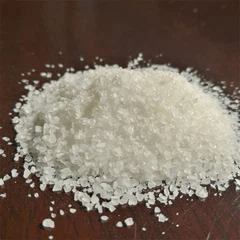
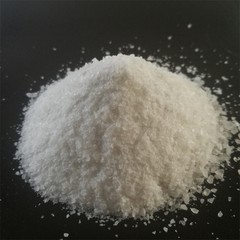
As a supplier of Aluminium Sulphate Fertilizer, we are committed to providing high - quality products that are safe and effective for use in forestry. Our aluminum sulfate fertilizer is carefully formulated to meet the specific needs of forest trees. We ensure that the product is of the highest purity and that it is free from contaminants.
We also offer technical support to our customers. Our team of experts can provide advice on the proper use of aluminum sulfate fertilizer, including application rates, timing, and methods. We believe that by working closely with foresters and land managers, we can help them make informed decisions about using our products to enhance forest health and productivity.
Conclusion
In conclusion, aluminum sulfate fertilizer has the potential to be used in forestry, but it should be used with caution. Its benefits in soil pH adjustment, nutrient uptake, and disease prevention are promising, but the potential risks of aluminum toxicity, environmental impact, and effects on soil microorganisms cannot be ignored. As a supplier, we are dedicated to promoting the responsible use of our products. We encourage foresters and land managers to consult with experts and conduct soil tests before applying aluminum sulfate fertilizer.
If you are interested in learning more about our aluminum sulfate fertilizer products or have any questions about using them in forestry, we invite you to contact us for further discussion. We are eager to engage in procurement negotiations and help you find the best solutions for your forestry needs.
References
- Brady, N. C., & Weil, R. R. (2008). The Nature and Properties of Soils. Pearson Prentice Hall.
- Marschner, P. (2012). Mineral Nutrition of Higher Plants. Academic Press.
- Taylor, G. J. (1988). Aluminum toxicity and tolerance in plants. CRC Critical Reviews in Plant Sciences, 7(2), 1-42.
Send Inquiry