

Can aluminum sulfate in drinking water cause dental problems?
Jul 22, 2025
Leave a message
Hey there! As a supplier of aluminum sulfate in drinking water, I often get asked a bunch of questions, and one that pops up quite a bit is, "Can aluminum sulfate in drinking water cause dental problems?" Well, let's dig into this topic and see what the deal is.
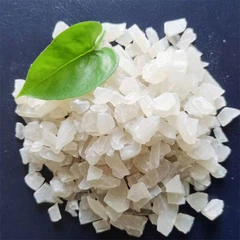
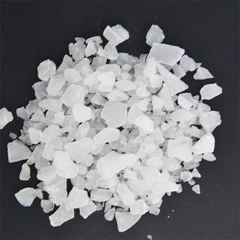
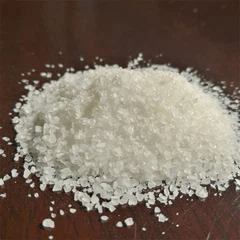
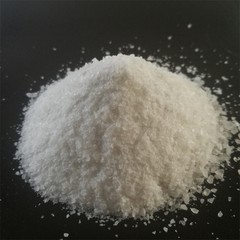
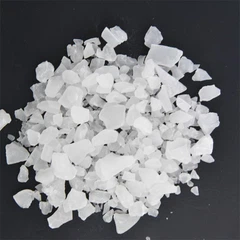
First off, let's understand what aluminum sulfate is and why it's used in drinking water. Aluminum sulfate, also known as alum, is a common chemical used in water treatment. It helps to clarify water by removing impurities like suspended solids, dirt, and some bacteria. When added to water, it forms a sticky substance that traps these unwanted particles, making it easier to filter them out. You can learn more about its use in water treatment on this page: Aluminium Sulphate Water.
Now, onto the big question - dental problems. There's been some concern about the potential effects of aluminum on our health, including our teeth. Aluminum is a metal that's found naturally in the environment, and small amounts of it can end up in our drinking water. But does that mean it's going to mess with our dental health?
The short answer is, it's complicated. There isn't a whole lot of conclusive evidence that directly links aluminum sulfate in drinking water to dental problems. Our bodies are pretty good at dealing with small amounts of substances that we ingest. When we drink water with a little bit of aluminum sulfate in it, most of the aluminum is either excreted or stored in our bodies in very small, non - harmful amounts.
However, some studies have looked at the possible long - term effects of aluminum exposure. High levels of aluminum in the body have been associated with various health issues, but these are usually in cases where people have been exposed to extremely high doses, like in industrial settings. In terms of dental problems, there's no clear - cut cause - and - effect relationship.
One theory is that aluminum could potentially interact with other minerals in our bodies, like calcium. Calcium is super important for strong teeth and bones. If aluminum were to interfere with calcium absorption or metabolism, it might have an impact on dental health. But again, this is more of a theoretical concern based on how metals interact in the body, and there's not enough real - world evidence to say for sure.
Another aspect to consider is the overall quality of the drinking water. When we use aluminum sulfate in water treatment, the goal is to improve the water quality. By removing impurities, we're actually reducing the risk of other dental problems that can be caused by bacteria and contaminants in the water. For example, water that's full of harmful bacteria can lead to cavities and gum disease. So, in a way, the use of aluminum sulfate can be beneficial for dental health by making the water cleaner.
It's also important to note that the amount of aluminum sulfate used in water treatment is regulated. Water treatment plants follow strict guidelines to ensure that the levels of aluminum in the treated water are within safe limits. These limits are set based on extensive research and are designed to protect public health. You can find more information about aluminum sulfate for portable water on this page: Aluminum Sulphate for Portable Water.
In addition to its use in regular drinking water treatment, aluminum sulfate is also used in other water - related applications, such as in drilling fluids water treatment. This helps to manage the quality of water used in drilling operations. You can learn more about this application here: Drilling Fluids Water Treatment Aluminum Sulfate.


So, what does all this mean for you as a consumer? Well, you don't have to worry too much about the aluminum sulfate in your drinking water causing dental problems. As long as the water is being treated properly and the aluminum levels are within the regulated limits, it's unlikely to have a negative impact on your teeth.
But if you're still concerned, there are some things you can do. You can have your water tested to check the aluminum levels. There are also water filtration systems available that can further reduce the amount of aluminum in your water if you want to be extra cautious.
As a supplier, I'm always here to answer any questions you might have about aluminum sulfate in drinking water. Whether you're a water treatment plant looking to purchase our product or an individual interested in learning more, feel free to reach out. We've got a great team that can help you understand the benefits and safety of using aluminum sulfate in water treatment. If you're in the market for high - quality aluminum sulfate for your water treatment needs, don't hesitate to get in touch for a purchase discussion.
In conclusion, while the idea of aluminum sulfate in drinking water and dental problems is an interesting topic, there's not enough evidence to say that it's a major concern. The use of aluminum sulfate in water treatment is a well - regulated and beneficial process that helps to provide clean and safe drinking water. So, take a deep breath and enjoy your glass of water without worrying too much about your teeth.
References
- World Health Organization, Guidelines for Drinking - Water Quality
- Various scientific studies on metal interactions in the human body and water treatment processes.
Send Inquiry