

Can granular aluminum sulfate be used as a fertilizer?
Oct 14, 2025
Leave a message
Hey there! As a supplier of granular aluminum sulfate, I often get asked if it can be used as a fertilizer. So, let's dive right into this topic and figure out if granular aluminum sulfate has a place in your garden or farm.
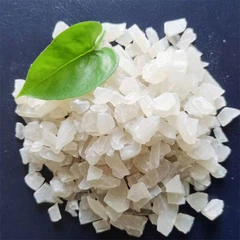
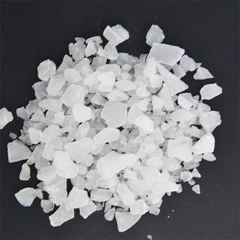
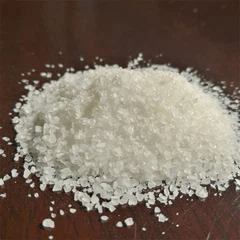
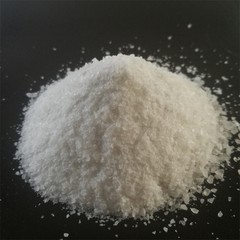
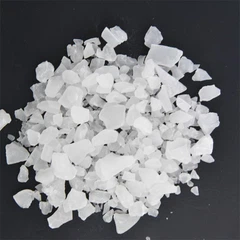
First off, what exactly is granular aluminum sulfate? Well, it's a chemical compound that looks like small granules. It's made up of aluminum, sulfur, and oxygen. You can find more about Aluminum Sulphate Powder on our website, which gives you a detailed look at its physical properties and production process.
Now, let's talk about fertilizers. Fertilizers are substances that are added to soil to provide essential nutrients for plant growth. The main nutrients that plants need are nitrogen (N), phosphorus (P), and potassium (K), often referred to as NPK. But plants also require other elements in smaller amounts, like calcium, magnesium, and yes, even aluminum in some cases.


Aluminum is not considered an essential nutrient for most plants. In fact, in high concentrations, it can be toxic to many plants. However, there are some situations where granular aluminum sulfate can be beneficial in a fertilizing context.
One of the main uses of granular aluminum sulfate in gardening is to lower the pH of soil. Some plants, like blueberries, azaleas, and rhododendrons, prefer acidic soil. If your soil is too alkaline, these plants may not grow well because they can't absorb certain nutrients properly. Aluminum sulfate reacts with water in the soil to form sulfuric acid, which gradually lowers the soil's pH. This makes it easier for acid - loving plants to take up nutrients like iron, manganese, and phosphorus. For more information on the type of aluminum sulfate we offer, check out HS CODE28332200 ALUMINUM SULPHATE.
When using granular aluminum sulfate to adjust soil pH, it's important to do it carefully. You need to test your soil first to determine its current pH level. Then, based on the type of plants you're growing and the desired pH range, you can calculate how much aluminum sulfate to apply. Over - application can lead to an overly acidic soil, which can be just as harmful to plants as alkaline soil.
Another aspect to consider is the sulfur content in aluminum sulfate. Sulfur is an essential nutrient for plants. It plays a role in the formation of proteins, vitamins, and enzymes. When granular aluminum sulfate breaks down in the soil, it releases sulfur, which can be taken up by plants. Our 15.8% Aluminum Sulphate has a specific sulfur content that can contribute to the sulfur needs of your plants.
However, it's not all sunshine and rainbows when it comes to using granular aluminum sulfate as a fertilizer. As I mentioned earlier, aluminum can be toxic to plants. Some plants are more sensitive to aluminum than others. For example, most grasses and many vegetables can be negatively affected by high aluminum levels in the soil. If you're growing these types of plants, you need to be extra cautious when using aluminum sulfate.
In agricultural settings, the use of granular aluminum sulfate is a bit more complex. Large - scale farmers need to consider the long - term effects on soil health. Continuous use of aluminum sulfate can change the soil structure and affect the microbial activity in the soil. Microbes are important for breaking down organic matter and making nutrients available to plants. So, farmers need to balance the benefits of lowering soil pH and providing sulfur with the potential negative impacts on soil life.
To sum it up, granular aluminum sulfate can be used as a fertilizer in certain situations. It's great for acid - loving plants and can provide some sulfur to the soil. But it's not a one - size - fits - all solution. You need to understand your soil, your plants, and the proper application methods.
If you're interested in using granular aluminum sulfate for your gardening or agricultural needs, I'd love to have a chat with you. Whether you're a small - scale gardener or a large - scale farmer, we can work together to find the right solution for your soil and plants. Reach out to us to start a purchasing and negotiation process.
References
- Brady, N. C., & Weil, R. R. (2008). The Nature and Properties of Soils. Pearson Prentice Hall.
- Marschner, H. (2012). Mineral Nutrition of Higher Plants. Academic Press.
Send Inquiry