

Can aluminium sulfate be used in water treatment for textile industries?
Oct 14, 2025
Leave a message
Hey there! As a supplier of aluminium sulfate water treatment products, I often get asked if aluminium sulfate can be used in water treatment for textile industries. Well, let's dive right into it and find out.
First off, let's understand what aluminium sulfate is and how it works in water treatment. Aluminium sulfate, also known as alum, is a chemical compound that has been used for water treatment for ages. When added to water, it forms a gelatinous precipitate of aluminium hydroxide. This precipitate acts like a magnet, attracting and trapping suspended particles, such as dirt, clay, and organic matter, in the water. As a result, these particles clump together and settle to the bottom, making it easier to remove them through sedimentation or filtration.
Now, let's talk about the textile industry. Textile manufacturing involves a whole bunch of processes, like dyeing, printing, and finishing. These processes generate a significant amount of wastewater that contains various pollutants, including dyes, pigments, chemicals, and heavy metals. If this wastewater is not treated properly before being discharged into the environment, it can cause serious harm to aquatic life and contaminate water sources.
So, can aluminium sulfate help in treating textile wastewater? The answer is a big yes! Aluminium sulfate is highly effective in removing dyes and other contaminants from textile wastewater. Here's how:
1. Coagulation and Flocculation
As I mentioned earlier, aluminium sulfate forms a gelatinous precipitate when added to water. This precipitate helps in coagulating and flocculating the suspended particles in the wastewater. In the case of textile wastewater, the dyes and other contaminants are often in the form of small, colloidal particles that are difficult to remove by simple filtration. Aluminium sulfate helps in bringing these particles together to form larger, heavier flocs that can settle out more easily.
2. pH Adjustment
The pH of textile wastewater can vary widely depending on the type of processes used. Aluminium sulfate can be used to adjust the pH of the wastewater to an optimal level for coagulation and flocculation. Most dyes and contaminants in textile wastewater are more effectively removed at a slightly acidic to neutral pH range. By adding aluminium sulfate, we can bring the pH of the wastewater within this range, enhancing the treatment efficiency.
3. Removal of Heavy Metals
Textile wastewater may also contain heavy metals, such as copper, lead, and zinc, which are toxic to the environment. Aluminium sulfate can help in removing these heavy metals by forming insoluble complexes with them. These complexes can then be removed along with the flocs during sedimentation or filtration.
Our Aluminium Sulfate Products
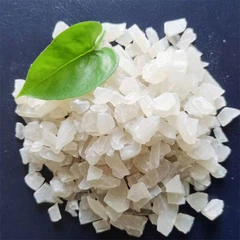
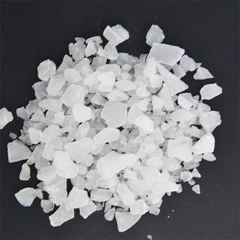
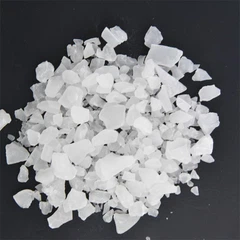
At our company, we offer a range of high - quality aluminium sulfate products suitable for textile water treatment. We have Aluminum Sulphate Lump, which is a convenient form for easy storage and handling. It dissolves quickly in water, releasing the active aluminium ions for effective treatment.
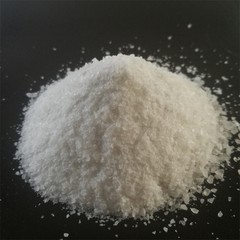
Our Ferric Aluminium Sulphate combines the properties of aluminium and iron. The addition of iron can enhance the coagulation and flocculation process, especially for wastewater with high organic content. It is a great choice for treating complex textile wastewater.
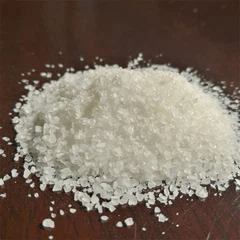
And then we have Industrial Aluminum Sulphate, which is specifically formulated for industrial applications, including textile water treatment. It has a high purity and consistent quality, ensuring reliable performance in removing contaminants from textile wastewater.


Advantages of Using Aluminium Sulfate in Textile Water Treatment
- Cost - Effective: Aluminium sulfate is relatively inexpensive compared to some other water treatment chemicals. This makes it a cost - effective option for textile industries, especially those on a tight budget.
- Easy to Use: It is easy to handle and add to the wastewater treatment system. No special equipment or complicated procedures are required.
- Environmentally Friendly: Aluminium sulfate is a natural - based chemical that is biodegradable and has a low environmental impact. When used in the right amounts, it can help in reducing the pollution load in textile wastewater without causing additional harm to the environment.
Considerations
While aluminium sulfate is a great option for textile water treatment, there are a few things to keep in mind. The dosage of aluminium sulfate needs to be carefully controlled. Too little may not be effective in removing the contaminants, while too much can lead to an increase in the aluminium concentration in the treated water, which may have negative effects on aquatic life. Also, the treated water should be monitored regularly to ensure that it meets the environmental discharge standards.
In conclusion, aluminium sulfate is a valuable tool in the water treatment of textile industries. It can effectively remove dyes, contaminants, and heavy metals from textile wastewater, helping industries to meet environmental regulations and protect the environment. If you're in the textile industry and looking for a reliable water treatment solution, our aluminium sulfate products are definitely worth considering.
If you're interested in learning more about our aluminium sulfate products or would like to discuss your specific water treatment needs, don't hesitate to get in touch. We're here to help you find the best solution for your textile water treatment requirements.
References
- Water Treatment Handbook, various editions
- Textile Industry Wastewater Treatment Guidelines, environmental agencies
Send Inquiry