

Does aluminum sulfate in drinking water affect the water's viscosity?
Jun 06, 2025
Leave a message
Hey there! As a supplier of aluminum sulfate for drinking water, I often get asked a bunch of questions about the product. One question that has popped up more frequently lately is, "Does aluminum sulfate in drinking water affect the water's viscosity?" Let's dive into this topic and find out what's really going on.
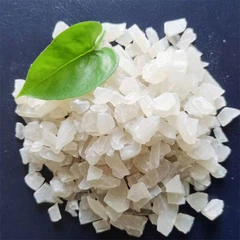
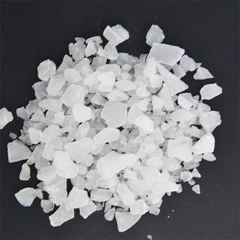
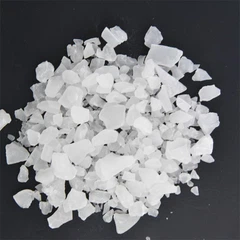
First off, let's talk a bit about aluminum sulfate. Aluminum sulfate, also known as alum, is a commonly used chemical in water treatment. It's great at removing impurities like suspended solids, bacteria, and some heavy metals from water. You can find more info about its use in drinking water treatment on this page: Aluminum Sulphate for Drinking Water Treatment.
Now, onto the main question: viscosity. Viscosity is basically a measure of a fluid's resistance to flow. Think of honey and water. Honey is thick and flows slowly, so it has a high viscosity. Water, on the other hand, flows easily and has a low viscosity.
When we add aluminum sulfate to drinking water during the treatment process, it undergoes a chemical reaction called coagulation. In this reaction, the aluminum sulfate forms tiny clumps, or flocs, with the impurities in the water. These flocs then settle to the bottom of the water tank, making it easier to remove them.
But does this process change the water's viscosity? Well, in most cases, the answer is no. The amount of aluminum sulfate used in drinking water treatment is usually very small. The World Health Organization (WHO) has set guidelines for the maximum allowable concentration of aluminum in drinking water to ensure it's safe for human consumption. When we stick to these guidelines, the impact on the water's viscosity is negligible.
Let me explain this with a bit of science. The viscosity of a liquid depends on factors like the size and shape of its molecules, as well as the interactions between them. Water molecules are small and have relatively weak intermolecular forces, which is why water has a low viscosity. When we add a small amount of aluminum sulfate, the aluminum ions and sulfate ions dissolve in the water and interact with the water molecules and the impurities. However, these interactions don't significantly change the overall structure and behavior of the water molecules. So, the water's ability to flow remains pretty much the same.
However, there are some situations where adding aluminum sulfate might have a minor effect on viscosity. If we add a very large amount of aluminum sulfate (way more than the recommended dosage), the flocs formed during coagulation can become so large and numerous that they start to interfere with the flow of water. It's like trying to push a thick soup through a straw. The more solids there are in the liquid, the harder it is to make it flow. But this is an extreme case and not how water treatment is supposed to work.
Another factor to consider is the temperature of the water. Generally, as the temperature of water increases, its viscosity decreases. This is because the water molecules have more energy at higher temperatures and can move around more freely. Aluminum sulfate doesn't directly affect the water's temperature, but the coagulation process might generate a tiny amount of heat. However, this heat is usually so small that it doesn't have a noticeable impact on the water's viscosity.
Now, let's talk about the applications of aluminum sulfate beyond drinking water treatment. It's also used in dyeing wastewater treatment. You can learn more about that here: Dyeing Wastewater Treatment Aluminum Sulphate. In dyeing wastewater, aluminum sulfate helps to remove the dyes and other contaminants, making the water cleaner before it's discharged into the environment.

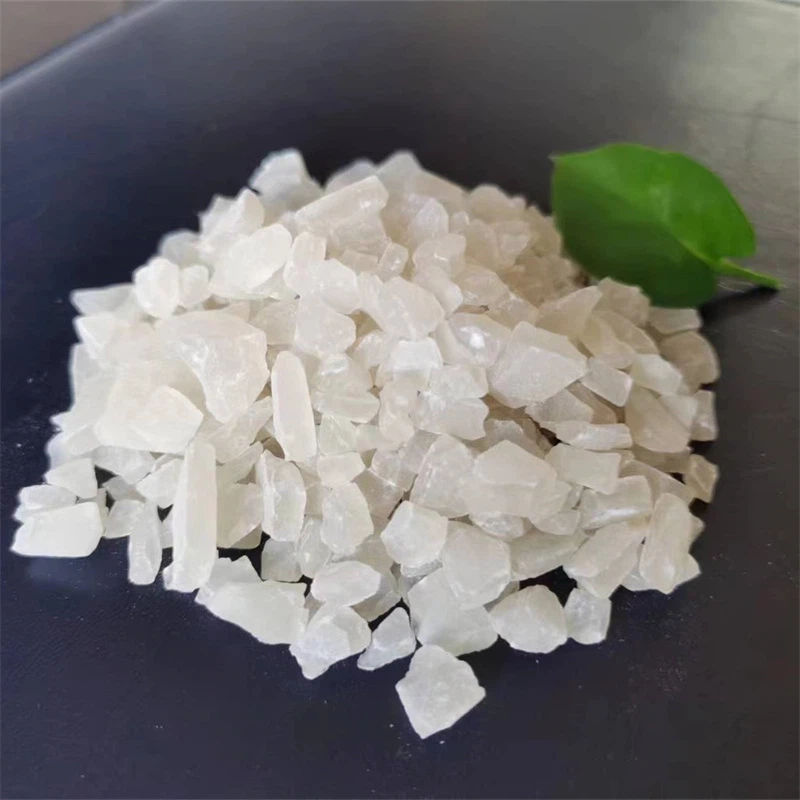
It's also used in general wastewater treatment. Check out Aluminum Sulfate Wastewater Treatment for more details. In wastewater treatment plants, aluminum sulfate plays a crucial role in improving the quality of the water before it's released back into nature.
As a supplier, I know how important it is to provide high - quality aluminum sulfate for these applications. Our product is carefully manufactured to meet the strictest quality standards. Whether you're treating drinking water, dyeing wastewater, or general wastewater, you can count on our aluminum sulfate to do the job effectively.
If you're in the market for aluminum sulfate for your water treatment needs, I'd love to have a chat with you. We can discuss your specific requirements, the best dosage for your situation, and how our product can help you achieve the cleanest water possible. Whether you're a small - scale water treatment facility or a large industrial plant, we've got the solution for you.
In conclusion, under normal circumstances, aluminum sulfate in drinking water doesn't significantly affect the water's viscosity. It's a safe and effective chemical for water treatment when used according to the recommended guidelines. If you have any more questions about aluminum sulfate or water treatment in general, feel free to reach out.
References
- World Health Organization. Guidelines for Drinking - Water Quality.
So, don't hesitate to contact us if you're interested in purchasing our high - quality aluminum sulfate for your water treatment projects. Let's work together to make our water cleaner and safer!
Send Inquiry