

How to prevent health risks when handling granular aluminum sulfate?
Jun 09, 2025
Leave a message
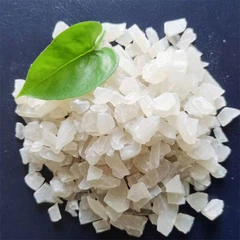
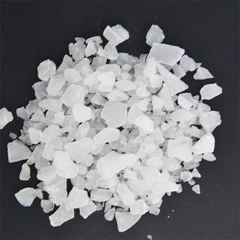
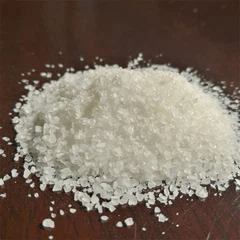
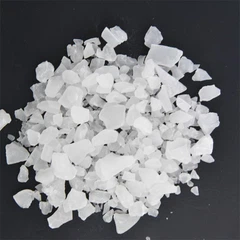
Hey there! As a supplier of granular aluminum sulfate, I've seen firsthand the importance of handling this stuff safely. Granular aluminum sulfate is used in a bunch of different industries, from water treatment to paper manufacturing. But like any chemical, it comes with its own set of health risks if not handled properly. In this blog post, I'm gonna share some tips on how to prevent those health risks when dealing with granular aluminum sulfate.
Understanding the Health Risks
First things first, let's talk about what makes granular aluminum sulfate potentially dangerous. When you're handling it, you could be exposed to it through inhalation, skin contact, or ingestion.
Inhalation of the dust can irritate your respiratory system. It might cause coughing, shortness of breath, and even long - term damage to your lungs if you're exposed to high levels over a long period. Skin contact can lead to irritation, redness, and in some cases, chemical burns. And if you accidentally ingest it, it can cause gastrointestinal problems like nausea, vomiting, and diarrhea.
Personal Protective Equipment (PPE)
One of the easiest and most effective ways to prevent health risks is by using the right personal protective equipment.
Respiratory Protection
When you're working with granular aluminum sulfate, especially if there's a chance of creating dust, you should wear a respirator. A N95 respirator is a good choice for most situations. It filters out at least 95% of airborne particles, which can help keep the aluminum sulfate dust out of your lungs. Make sure the respirator fits properly. You can do a fit test to ensure that there are no gaps around the edges.
Eye Protection
Your eyes are sensitive, and they can easily be irritated by the dust. Wear safety goggles or a face shield. Goggles should fit snugly around your eyes to prevent any dust from getting in. A face shield provides more coverage and is great if you're doing tasks that might create a lot of dust.
Skin Protection
Wear long - sleeved shirts, long pants, and chemical - resistant gloves. The gloves should be made of materials like nitrile or neoprene, which are resistant to chemicals. This will protect your skin from direct contact with the granular aluminum sulfate. Also, consider wearing boots to protect your feet.
Safe Handling Procedures
How you handle granular aluminum sulfate matters a lot when it comes to preventing health risks.
Storage
Store granular aluminum sulfate in a cool, dry place. Keep it in a tightly sealed container to prevent dust from escaping. Label the container clearly with the name of the chemical and any relevant hazard warnings. Also, make sure it's stored away from incompatible substances. For example, don't store it near strong acids or bases, as it could react and create dangerous fumes.
Transferring
When transferring granular aluminum sulfate from one container to another, do it slowly and carefully. Use a funnel or a transfer device to minimize the amount of dust that's created. If possible, do the transfer in a well - ventilated area or under a fume hood.
Cleaning Up Spills
If there's a spill, don't panic. First, put on your PPE. Then, use a dustpan and brush to carefully sweep up the spilled granular aluminum sulfate. Avoid using a dry vacuum cleaner, as it can stir up more dust. Instead, you can use a wet - vacuum or dampen the spill with water before cleaning it up. Dispose of the spilled material according to local regulations.
Ventilation
Good ventilation is crucial when working with granular aluminum sulfate.
Natural Ventilation
If you're working in an outdoor area or a well - ventilated indoor space with open windows and doors, natural ventilation can help reduce the concentration of dust in the air. However, if you're in an enclosed space, natural ventilation might not be enough.
Mechanical Ventilation
Use mechanical ventilation systems like exhaust fans or fume hoods. An exhaust fan can draw the dusty air out of the room and expel it outside. A fume hood is even better for tasks that generate a lot of dust. It captures the dust at the source and prevents it from spreading into the surrounding air.
Training and Education
All workers who handle granular aluminum sulfate should receive proper training. They need to know about the health risks associated with the chemical, how to use PPE correctly, and the safe handling procedures.
Regular training sessions can help reinforce this knowledge. You can also provide written materials like safety data sheets (SDS) that contain detailed information about the chemical, its hazards, and how to handle it safely.
First Aid
Even with all the precautions, accidents can still happen. That's why it's important to have a first - aid plan in place.


Inhalation
If someone inhales the dust and starts to have breathing problems, move them to fresh air immediately. Loosen any tight clothing around their neck and chest. If their symptoms don't improve, seek medical attention right away.
Skin Contact
If the granular aluminum sulfate gets on someone's skin, remove any contaminated clothing and wash the affected area with plenty of water for at least 15 minutes. If there are signs of irritation or a burn, seek medical help.
Eye Contact
Flush the eyes with water for at least 15 minutes. Hold the eyelids open to make sure the water reaches all parts of the eye. Then, seek medical attention.
Ingestion
If someone ingests granular aluminum sulfate, don't induce vomiting unless instructed to do so by a medical professional. Give them plenty of water to drink and seek immediate medical help.
Other Aluminum Sulfate Products
We also offer other related products like Aluminium Sulphate Liquid, Aluminium Sulphate Octadecahydrate, and Ferric Aluminium Sulphate. Each of these products has its own unique properties and uses, but the same principles of safe handling apply.
Conclusion
Handling granular aluminum sulfate safely is all about being prepared and taking the right precautions. By using the proper PPE, following safe handling procedures, ensuring good ventilation, and having a first - aid plan, you can significantly reduce the health risks associated with this chemical.
If you're in the market for granular aluminum sulfate or any of our other products, we're here to help. We're committed to providing high - quality products and ensuring that our customers have all the information they need to handle them safely. Feel free to reach out to us to discuss your procurement needs and get more information about our products.
References
- Occupational Safety and Health Administration (OSHA) guidelines on handling hazardous chemicals.
- Material Safety Data Sheets (MSDS) for granular aluminum sulfate.
Send Inquiry