

Does aluminum sulphate powder affect the growth of plants?
Sep 30, 2025
Leave a message
As a supplier of aluminum sulphate powder, I've often been asked about its impact on plant growth. This question is not only relevant to farmers and gardeners but also to those in the agricultural and horticultural industries. In this blog, I'll explore the various aspects of how aluminum sulphate powder can affect plant growth, based on scientific research and practical experience.
Understanding Aluminum Sulphate Powder
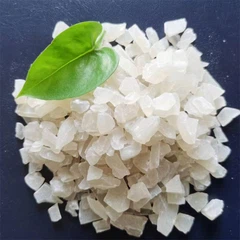
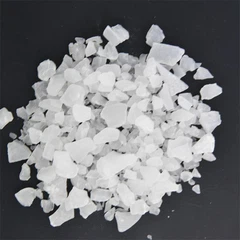
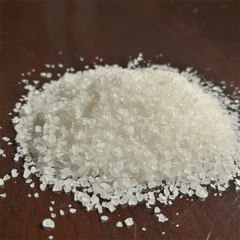
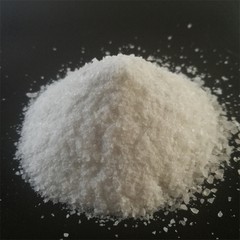
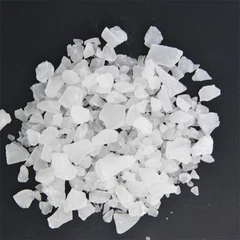
Aluminum sulphate powder, with the CAS 10043-01-3, is a chemical compound commonly used in water treatment, paper manufacturing, and as a soil amendment. It is a white crystalline powder that is soluble in water. When dissolved in water, it forms an acidic solution, which can have both positive and negative effects on plants.
Positive Effects on Plant Growth
Soil Acidification
One of the primary uses of aluminum sulphate powder in horticulture is to lower the pH of alkaline soils. Many plants, such as blueberries, azaleas, and rhododendrons, prefer acidic soils with a pH between 4.5 and 6.0. By adding aluminum sulphate powder to the soil, the acidic nature of the compound can help to create a more favorable environment for these acid-loving plants.
When aluminum sulphate dissolves in water, it releases aluminum ions and sulphate ions. The aluminum ions react with water molecules to form aluminum hydroxide and hydrogen ions. The increase in hydrogen ions leads to a decrease in soil pH, making the soil more acidic. This acidification process can improve the availability of certain nutrients, such as iron, manganese, and phosphorus, which are essential for plant growth.


For example, in alkaline soils, iron is often present in an insoluble form, making it difficult for plants to absorb. By lowering the soil pH with aluminum sulphate, the iron becomes more soluble and can be taken up by the plant roots. This can prevent iron deficiency, which is characterized by yellowing leaves with green veins.
Nutrient Availability
In addition to improving iron availability, aluminum sulphate can also enhance the availability of other nutrients in the soil. Sulphur, one of the components of aluminum sulphate, is an essential nutrient for plant growth. It plays a crucial role in the synthesis of proteins, enzymes, and vitamins. By adding aluminum sulphate to the soil, plants can obtain an additional source of sulphur, which can promote healthy growth and development.
Moreover, the acidification of the soil can also affect the activity of soil microorganisms. Some beneficial soil bacteria and fungi thrive in acidic environments. These microorganisms can help to break down organic matter, release nutrients, and improve soil structure. By creating a more acidic soil environment with aluminum sulphate, the activity of these beneficial microorganisms can be enhanced, leading to better nutrient cycling and plant growth.
Negative Effects on Plant Growth
Aluminum Toxicity
While aluminum sulphate can have positive effects on plant growth under certain conditions, it can also be toxic to plants if used in excessive amounts. Aluminum is a naturally occurring element in the soil, but in acidic soils, the solubility of aluminum increases, leading to higher concentrations of aluminum ions in the soil solution.
High levels of aluminum ions can be toxic to plant roots. They can inhibit root growth, reduce nutrient uptake, and disrupt the normal functioning of plant cells. Symptoms of aluminum toxicity include stunted root growth, reduced shoot growth, and yellowing or browning of leaves.
The sensitivity of plants to aluminum toxicity varies depending on the plant species. Some plants, such as wheat, barley, and corn, are more tolerant to aluminum, while others, such as soybean, cotton, and citrus, are more sensitive. It is important to consider the tolerance of the plant species when using aluminum sulphate as a soil amendment.
Soil pH Imbalance
Another potential negative effect of using aluminum sulphate is the risk of over-acidifying the soil. If too much aluminum sulphate is added to the soil, the pH can drop to levels that are too acidic for most plants. This can lead to a decrease in the availability of certain nutrients, such as calcium, magnesium, and potassium, which are essential for plant growth.
In addition, extreme soil acidity can also affect the activity of soil microorganisms. Some beneficial soil bacteria and fungi may be inhibited or killed in highly acidic environments. This can disrupt the soil ecosystem and lead to a decrease in soil fertility.
Factors Affecting the Impact of Aluminum Sulphate on Plant Growth
Soil Type
The type of soil plays a crucial role in determining the impact of aluminum sulphate on plant growth. Sandy soils, which have low cation exchange capacity (CEC), are more prone to rapid changes in soil pH when aluminum sulphate is added. In contrast, clay soils, which have high CEC, can buffer the effects of aluminum sulphate and maintain a more stable soil pH.
Moreover, the initial pH of the soil also affects the response of plants to aluminum sulphate. In alkaline soils, the addition of aluminum sulphate can have a more significant impact on soil acidification and plant growth. In acidic soils, however, the addition of aluminum sulphate may not be necessary and can even be harmful if it further decreases the soil pH.
Plant Species
As mentioned earlier, different plant species have different tolerances to aluminum and soil acidity. Some plants, such as acid-loving plants, may benefit from the addition of aluminum sulphate to the soil. Other plants, however, may be more sensitive to aluminum toxicity and may not tolerate acidic soils.
It is important to choose the appropriate plant species for the soil conditions and to use aluminum sulphate only when necessary. Before applying aluminum sulphate to the soil, it is recommended to test the soil pH and consult with a local agricultural extension service or a horticulturist for specific recommendations.
Application Rate
The application rate of aluminum sulphate is another important factor that affects its impact on plant growth. Using too little aluminum sulphate may not achieve the desired effect on soil acidification, while using too much can lead to aluminum toxicity and soil pH imbalance.
The recommended application rate of aluminum sulphate depends on the soil type, the initial pH of the soil, and the plant species. It is generally recommended to start with a small amount of aluminum sulphate and gradually increase the application rate based on the results of soil testing. It is also important to follow the instructions on the product label and to avoid over-application.
Safe and Effective Use of Aluminum Sulphate for Plant Growth
Soil Testing
Before using aluminum sulphate on your plants, it is essential to conduct a soil test. A soil test can provide valuable information about the soil pH, nutrient content, and texture. Based on the results of the soil test, you can determine whether your soil needs to be acidified and how much aluminum sulphate to apply.
Soil testing kits are available at most garden centers and agricultural supply stores. You can also send a soil sample to a professional soil testing laboratory for more accurate results. The laboratory will provide you with a detailed report that includes recommendations for soil amendment and fertilization.
Application Guidelines
When applying aluminum sulphate to the soil, it is important to follow the recommended application guidelines. Here are some general tips:
- Mixing: Aluminum sulphate should be thoroughly mixed with the soil to ensure even distribution. You can use a garden fork or a tiller to incorporate the aluminum sulphate into the top 6 to 8 inches of soil.
- Timing: The best time to apply aluminum sulphate is in the fall or early spring, before planting. This allows the aluminum sulphate to react with the soil and adjust the pH before the plants start to grow.
- Watering: After applying aluminum sulphate, it is important to water the soil thoroughly. This helps to dissolve the aluminum sulphate and distribute it evenly throughout the soil.
Monitoring
After applying aluminum sulphate to the soil, it is important to monitor the soil pH and the growth of your plants. You can use a soil pH meter or a soil testing kit to regularly check the soil pH. If the soil pH is not within the desired range, you may need to adjust the application rate of aluminum sulphate or use other soil amendment methods.
In addition, you should also observe the growth and health of your plants. If you notice any signs of aluminum toxicity or other problems, such as yellowing leaves, stunted growth, or wilting, you should stop using aluminum sulphate immediately and consult with a professional.
Conclusion
In conclusion, aluminum sulphate powder can have both positive and negative effects on plant growth. When used correctly, it can be an effective soil amendment for acid-loving plants, helping to lower the soil pH, improve nutrient availability, and promote healthy growth. However, it is important to use aluminum sulphate with caution, as excessive amounts can lead to aluminum toxicity and soil pH imbalance.
As a supplier of Aluminum Sulfate Iron Free Grade Fine Powder Type 0-1mm and Ferric Aluminium Sulphate, I am committed to providing high-quality products and professional advice to our customers. If you have any questions about the use of aluminum sulphate powder for plant growth or if you are interested in purchasing our products, please feel free to contact us. We will be happy to assist you in making the right decisions for your plants.
References
- Brady, N. C., & Weil, R. R. (2008). The nature and properties of soils. Pearson Prentice Hall.
- Marschner, H. (2012). Mineral nutrition of higher plants. Academic Press.
- Foy, C. D. (1984). Aluminum toxicity and plant growth. CRC Press.
Send Inquiry