

How does 16% aluminum sulphate affect the pH of water?
Jun 20, 2025
Leave a message
Hey there! As a supplier of 16% aluminum sulphate, I've gotten a ton of questions about how this stuff affects the pH of water. So, I thought I'd sit down and write this blog to break it all down for you.
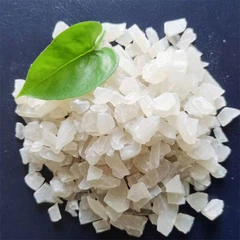
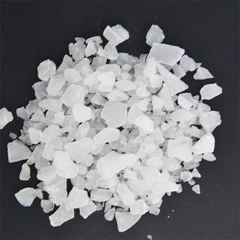
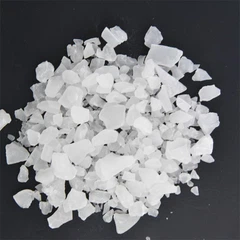
First off, let's talk a bit about what 16% aluminum sulphate is. It's a chemical compound that's commonly used in water treatment. You can find it in different forms, like Iron Free Aluminum Sulphate Flakes and Iron Free Aluminum Sulphate Powder. And of course, the 16% Aluminum Sulphate I supply has a specific concentration that makes it super effective for various applications.
Now, onto the main question: how does 16% aluminum sulphate affect the pH of water? Well, when you add aluminum sulphate to water, a series of chemical reactions take place. Aluminum sulphate dissociates in water, releasing aluminum ions (Al³⁺). These aluminum ions react with water molecules in a process called hydrolysis.
The hydrolysis reaction of aluminum ions can be represented by the following equation:
Al³⁺ + 3H₂O ⇌ Al(OH)₃ + 3H⁺
As you can see from the equation, when aluminum ions react with water, they form aluminum hydroxide (Al(OH)₃) and release hydrogen ions (H⁺). The increase in the concentration of hydrogen ions in the water leads to a decrease in the pH of the water. In other words, the water becomes more acidic.
The extent to which the pH decreases depends on several factors. One of the most important factors is the amount of 16% aluminum sulphate added to the water. Generally speaking, the more aluminum sulphate you add, the more aluminum ions are released, and the greater the decrease in pH. However, it's not a linear relationship. At some point, adding more aluminum sulphate won't cause a significant further decrease in pH because the reaction reaches an equilibrium state.
Another factor is the initial pH and alkalinity of the water. Water with a high alkalinity has a greater buffering capacity, which means it can resist changes in pH more effectively. So, if you add 16% aluminum sulphate to water with high alkalinity, the decrease in pH will be less pronounced compared to water with low alkalinity.
Let's take a look at some real - world examples. In water treatment plants, 16% aluminum sulphate is often used as a coagulant. When treating raw water, the goal is to remove suspended particles and impurities. By adding aluminum sulphate, the coagulation process is enhanced, and the particles clump together and settle out. But at the same time, the pH of the water drops. Operators need to carefully control the amount of aluminum sulphate added to ensure that the pH remains within an acceptable range for the subsequent treatment processes and for the final use of the water.
In swimming pools, aluminum sulphate can also be used to clarify the water. However, pool owners need to be very cautious when using it. If too much aluminum sulphate is added, the pH of the pool water can drop too low, which can cause irritation to swimmers' eyes and skin. It can also damage the pool equipment over time. So, it's crucial to test the water regularly and adjust the amount of aluminum sulphate accordingly.
In soil treatment, 16% aluminum sulphate can be used to acidify soil. Some plants prefer acidic soil conditions. By adding aluminum sulphate to the soil, the pH of the soil water can be lowered, creating a more suitable environment for these plants. But again, it's important not to over - do it. Excessive acidification can harm the soil ecosystem and other plants in the area.
Now, you might be wondering how to measure and control the pH change when using 16% aluminum sulphate. There are several ways to measure the pH of water. You can use pH test strips, which are inexpensive and easy to use. For more accurate measurements, pH meters are available. These devices can give you a precise reading of the pH value.


To control the pH change, you can use chemicals to adjust the alkalinity of the water before adding 16% aluminum sulphate. For example, adding lime (calcium hydroxide) can increase the alkalinity of the water and help buffer the decrease in pH caused by the aluminum sulphate. You can also add the aluminum sulphate gradually and monitor the pH continuously to ensure that it stays within the desired range.
In conclusion, 16% aluminum sulphate has a significant impact on the pH of water. It makes the water more acidic through the hydrolysis of aluminum ions. But by understanding the factors that affect the pH change and using proper measurement and control methods, you can use 16% aluminum sulphate effectively and safely in various applications.
If you're interested in purchasing 16% aluminum sulphate for your specific needs, whether it's for water treatment, pool maintenance, or soil treatment, don't hesitate to reach out. I'm here to provide you with high - quality products and professional advice to ensure you get the best results.
References
- Stumm, W., & Morgan, J. J. (1996). Aquatic Chemistry: Chemical Equilibria and Rates in Natural Waters. Wiley - Interscience.
- AWWA (American Water Works Association). (2017). Water Quality and Treatment: A Handbook of Community Water Supplies. McGraw - Hill Education.
Send Inquiry