

How does 16% aluminum sulphate affect the taste of food?
Sep 17, 2025
Leave a message
16% aluminum sulphate, a chemical compound commonly used in various industries, has also found its way into the food industry. As a supplier of 16% aluminum sulphate, I've often been asked about how it affects the taste of food. In this blog, I'll explore the science behind it and provide some insights based on industry knowledge and research.
Understanding 16% Aluminum Sulphate
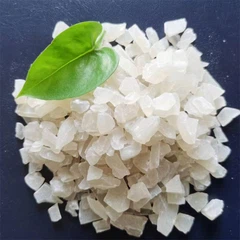
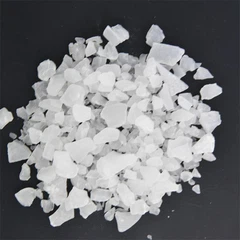
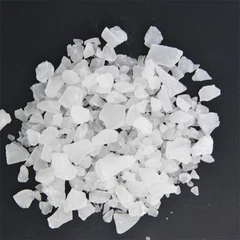
Before delving into its impact on food taste, it's important to understand what 16% aluminum sulphate is. Aluminum sulphate is a white crystalline solid that is soluble in water. The "16%" refers to the concentration of the compound in a particular product. It is produced through a chemical reaction between aluminum hydroxide and sulfuric acid.
In the food industry, 16% aluminum sulphate has several applications. It is commonly used as a food additive, specifically as a firming agent and a pH regulator. For example, it can be used in pickling processes to help maintain the crispness of vegetables. It is also used in the production of baking powder to control the release of carbon dioxide, which affects the texture of baked goods.
The Science of Taste and Food Additives
Taste is a complex sensory experience that is influenced by a variety of factors, including the chemical composition of food, the presence of flavor compounds, and the individual's taste receptors. Food additives, such as 16% aluminum sulphate, can interact with these factors in different ways.
When it comes to taste, there are five primary taste sensations: sweet, sour, salty, bitter, and umami. Each taste is detected by specific taste receptors on the tongue. For example, sweet tastes are detected by receptors that respond to sugars and other sweet compounds, while sour tastes are detected by receptors that respond to acids.
Food additives can either enhance or mask certain taste sensations. For example, a sweetener can enhance the sweet taste of a food, while a bitter blocker can mask the bitter taste. In the case of 16% aluminum sulphate, its impact on taste is more related to its function as a firming agent and pH regulator rather than directly adding a distinct taste.
Impact on Taste in Different Food Applications
Pickled Vegetables
In pickled vegetables, 16% aluminum sulphate is used to maintain the crispness of the vegetables. The compound helps to cross - link the pectin molecules in the cell walls of the vegetables, which prevents them from becoming soft and mushy. This can indirectly affect the taste experience. A crisp vegetable is generally perceived as fresher and more appealing than a soft one. The pickling process itself adds a sour and salty taste, and the firm texture provided by the aluminum sulphate can enhance the overall enjoyment of these taste sensations.
For example, when you bite into a pickled cucumber that has been treated with 16% aluminum sulphate, you'll notice a satisfying crunch. This crunch can make the sour and salty flavors of the pickle more pronounced, as the texture of the vegetable complements the taste.
Baked Goods
In baking powder, 16% aluminum sulphate plays a role in controlling the release of carbon dioxide. This affects the texture of the baked goods, which in turn can influence the taste. A well - risen and light - textured cake or muffin is more likely to be perceived as having a better taste than a dense and heavy one.


The aluminum sulphate in baking powder reacts with the other components in the powder to release carbon dioxide at the right time during the baking process. This creates air pockets in the dough or batter, resulting in a lighter texture. The light texture allows the flavor compounds in the baked goods, such as the sweetness of sugar and the aroma of vanilla, to be more easily detected by the taste receptors.
Potential Taste - Related Concerns
While 16% aluminum sulphate is generally recognized as safe for use in food within the specified limits, there have been some concerns about its potential impact on taste and health. Some people may be more sensitive to the presence of aluminum in food. In high concentrations, aluminum can have a slightly metallic taste. However, when used in the recommended amounts for food applications, the taste impact is usually minimal.
It's also important to note that excessive consumption of aluminum has been linked to certain health issues, such as neurological problems. Regulatory bodies, such as the Food and Drug Administration (FDA) in the United States, have set limits on the amount of aluminum that can be used in food additives to ensure safety.
Comparing with Other Aluminum Sulphate Products
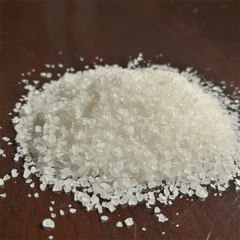
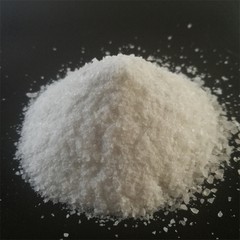
As a supplier, I also offer other aluminum sulphate products, such as Aluminium Sulphate Non Ferric, Aluminium Sulphate 17, and 17% Aluminum Sulphate Powder. These products have different concentrations and properties, which can also affect their performance in food applications.
The 17% aluminum sulphate products may have a slightly different impact on taste compared to the 16% product. The higher concentration may result in a more pronounced effect on the firmness of vegetables or the texture of baked goods. However, the taste differences are likely to be subtle and may only be noticeable to those with a very sensitive palate.
Conclusion
In conclusion, 16% aluminum sulphate can have an impact on the taste of food, but it is more of an indirect effect through its function as a firming agent and pH regulator. It can enhance the overall taste experience by improving the texture of food, which in turn affects the perception of flavor.
When used within the recommended limits, 16% aluminum sulphate is a safe and effective food additive. However, it's important for food manufacturers to carefully control the amount used to ensure that it does not have any negative impacts on taste or health.
If you're a food manufacturer or a business looking for high - quality 16% aluminum sulphate for your food applications, I encourage you to reach out to discuss your specific needs. We can provide you with detailed information about our products and how they can be used to improve the quality of your food products.
References
- "Food Additives: A Consumer's Guide" by the Food and Agriculture Organization of the United Nations.
- "The Science of Taste" by Linda Bartoshuk, a leading expert in taste research.
- Regulatory documents from the Food and Drug Administration (FDA) regarding the use of aluminum sulphate in food.
Send Inquiry