

How does 17% aluminum sulphate powder interact with other chemicals in water treatment?
Jul 29, 2025
Leave a message
Hey there! As a supplier of 17% aluminum sulphate powder, I've been getting a lot of questions lately about how this stuff interacts with other chemicals in water treatment. So, I thought I'd write up a blog post to share some insights.
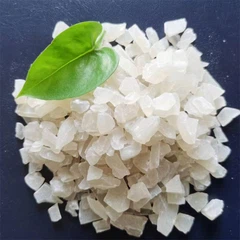
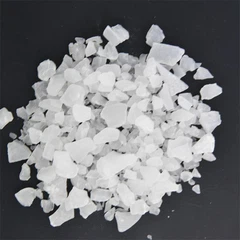
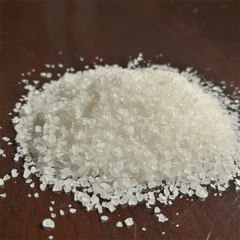
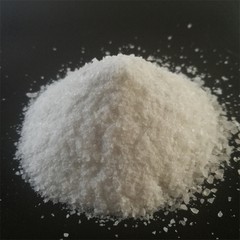
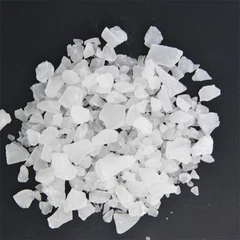
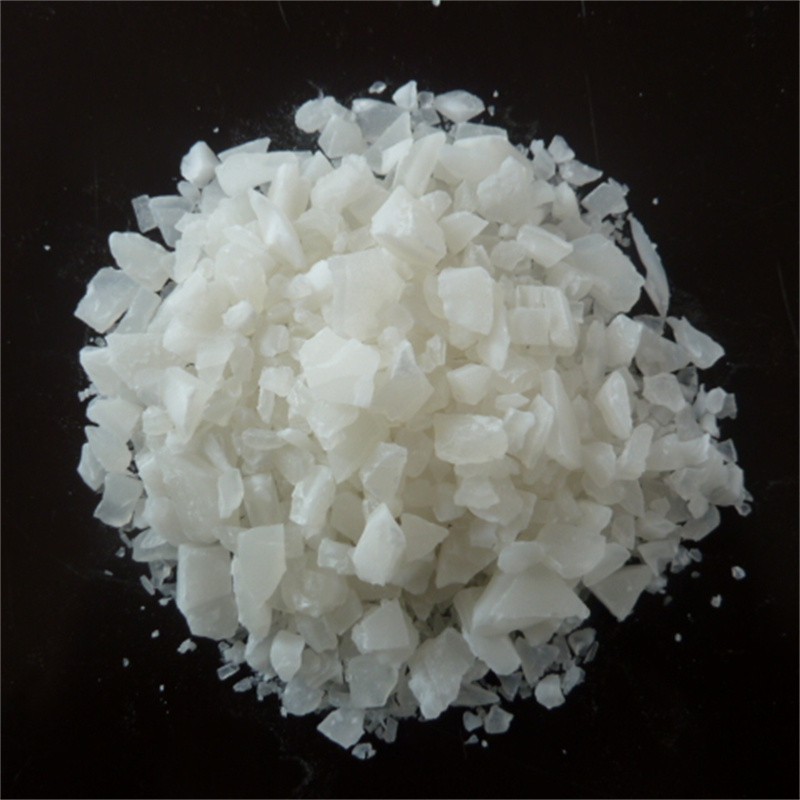
First off, let's talk about what 17% aluminum sulphate powder is and why it's used in water treatment. Aluminum sulphate, also known as alum, is a white crystalline powder that's commonly used as a coagulant in water treatment. It works by neutralizing the negative charges on suspended particles in water, causing them to clump together and settle out. This process, called coagulation, helps to remove impurities like dirt, algae, and bacteria from the water.
Now, when it comes to how 17% aluminum sulphate powder interacts with other chemicals in water treatment, it really depends on what those other chemicals are. Let's take a look at some common scenarios.
Interaction with Lime
Lime (calcium hydroxide) is often used in conjunction with aluminum sulphate in water treatment. When lime is added to water, it raises the pH level. Aluminum sulphate works best at a slightly acidic to neutral pH range (around 5.5 - 7.5). By adding lime, we can adjust the pH of the water to the optimal range for aluminum sulphate to work effectively.
The reaction between aluminum sulphate and lime can be a bit complex. Essentially, the calcium hydroxide reacts with the aluminum sulphate to form insoluble aluminum hydroxide flocs. These flocs are great at trapping and removing suspended particles from the water. The chemical equation for the reaction is something like this:
Al₂(SO₄)₃ + 3Ca(OH)₂ → 2Al(OH)₃ + 3CaSO₄
The aluminum hydroxide [Al(OH)₃] forms a sticky precipitate that aggregates the impurities, making them easier to filter out. The calcium sulphate (CaSO₄) is also a by - product, but it's usually not a big problem in water treatment.
Interaction with Chlorine
Chlorine is a widely used disinfectant in water treatment. When 17% aluminum sulphate powder is used in the same water treatment process as chlorine, there isn't a direct chemical reaction between the two. However, they play complementary roles.
Aluminum sulphate helps to clarify the water by removing suspended solids. This is important because suspended solids can shield bacteria and other pathogens from the disinfecting action of chlorine. By removing these solids, aluminum sulphate makes it easier for chlorine to do its job. Chlorine then kills the remaining bacteria, viruses, and other harmful microorganisms in the water.

Interaction with Polymers
Polymers are often added after the addition of aluminum sulphate in water treatment. These are long - chain molecules that can further enhance the coagulation and flocculation process.
After aluminum sulphate has formed small flocs, polymers can be added to bridge these flocs together, forming larger and more stable flocs. This makes the sedimentation and filtration processes more efficient. The polymers can be either anionic (negatively charged), cationic (positively charged), or non - ionic. The choice of polymer depends on the characteristics of the water and the type of impurities present.
Other Considerations
It's important to note that the dosage of 17% aluminum sulphate powder and other chemicals needs to be carefully controlled. Too much aluminum sulphate can lead to an excess of aluminum in the treated water, which can be a health concern. On the other hand, too little may not effectively remove the impurities.
Also, the temperature and the initial quality of the water can affect how these chemicals interact. For example, in colder water, the reaction rates may be slower, and more time may be needed for the coagulation and flocculation processes to occur.
Now, if you're in the market for high - quality 17% aluminum sulphate powder, you've come to the right place. We also offer other related products like 16% Aluminum Sulphate, Iron Free Aluminum Sulphate Flakes, and Iron Free Aluminum Sulphate Powder.
If you have any questions about our products or how they can be used in your water treatment process, don't hesitate to reach out. We're here to help you find the best solutions for your water treatment needs. Whether you're a small - scale water treatment plant or a large industrial facility, we've got the products and expertise to support you.
So, if you're ready to take your water treatment to the next level, let's start a conversation. We can discuss your specific requirements, provide samples, and work out the best pricing and delivery options for you.
References
- AWWA (American Water Works Association). Water Treatment Principles and Design. McGraw - Hill Education.
- Letterman, R. D. (Ed.). Water Quality and Treatment: A Handbook of Community Water Supplies. McGraw - Hill.
Send Inquiry