

How does aluminium sulphate fertilizer work in the soil?
Aug 28, 2025
Leave a message
Hey there! As a supplier of aluminium sulphate fertilizer, I've had a fair share of folks asking me how this stuff actually works in the soil. So, I thought I'd sit down and write this blog to break it all down for you.
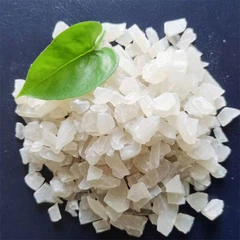
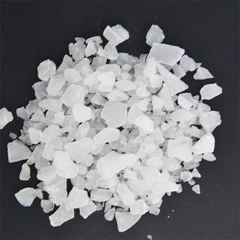
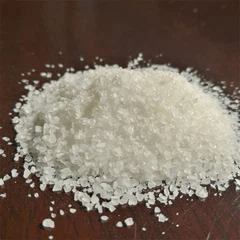
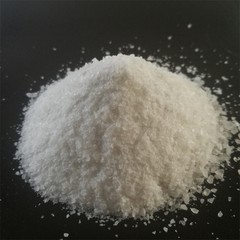
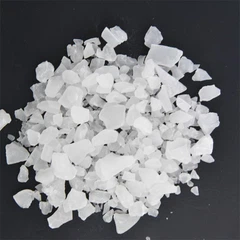
Let's start with the basics. Aluminium sulphate fertilizer, as the name suggests, is a type of fertilizer that contains aluminium and sulphate. You can learn more about it on our Aluminium Sulphate Fertilizer page. This fertilizer is quite unique because it can play multiple roles in the soil, and understanding these roles is key to getting the most out of it.
One of the primary functions of aluminium sulphate fertilizer is soil acidification. A lot of soils, especially in certain regions, tend to be alkaline. And many plants just don't thrive in alkaline conditions. They prefer a more acidic soil environment. That's where aluminium sulphate comes in. When it's added to the soil, it reacts with water and other substances in the soil. The aluminium ions in the fertilizer interact with the water molecules, and through a series of chemical reactions, hydrogen ions are released. These hydrogen ions lower the pH of the soil, making it more acidic.
For example, if you're growing blueberries, they absolutely love acidic soil. By applying aluminium sulphate fertilizer, you can create the perfect acidic conditions for them to grow and produce delicious fruits. You can find more details about using it as a soil amendment on our Aluminum Sulfate Soil Amendment page.
But it's not just about acidifying the soil. Aluminium sulphate also has an impact on the availability of nutrients in the soil. In alkaline soils, some essential nutrients like iron, manganese, and zinc can become less available to plants. They form insoluble compounds and are locked up in the soil, making it difficult for plants to take them up. When the soil is acidified by aluminium sulphate, these nutrients become more soluble and easier for plants to absorb. So, in a way, it's like unlocking a treasure chest of nutrients for your plants.
Another aspect is the effect on soil structure. Aluminium ions can help to flocculate soil particles. In simple terms, it means that the small soil particles clump together. This can improve the soil's porosity and aeration. When the soil has better porosity, water can drain more easily, and oxygen can reach the plant roots more effectively. This is crucial for the healthy growth of plants because roots need oxygen to carry out respiration and other vital processes.
Now, let's talk about how to apply aluminium sulphate fertilizer. The application rate depends on several factors, such as the type of soil, the type of plants you're growing, and the current pH of the soil. Generally, it's a good idea to do a soil test first. This will give you an accurate picture of the soil's pH and nutrient levels. Based on the test results, you can determine the appropriate amount of aluminium sulphate to apply.
It's important not to over - apply aluminium sulphate. Too much of it can lead to an overly acidic soil, which can be harmful to plants. High levels of aluminium can also be toxic to some plants, especially if the soil pH drops too low. So, it's all about finding that sweet spot.
When applying the fertilizer, you can either mix it into the soil before planting or apply it as a top - dressing around established plants. If you're mixing it into the soil, make sure it's well - incorporated to ensure an even distribution. For top - dressing, spread it evenly around the base of the plants and then water it in to help it dissolve and reach the roots.
As a supplier, I've seen firsthand the benefits that aluminium sulphate fertilizer can bring to gardens and farms. Whether you're a home gardener looking to grow beautiful flowers or a large - scale farmer aiming for high - yield crops, this fertilizer can be a valuable addition to your toolkit.


If you're interested in using aluminium sulphate fertilizer for your soil, I'd love to have a chat with you. We can discuss your specific needs, the best application methods, and how much of the fertilizer you'll need. Don't hesitate to reach out to start a procurement discussion.
In conclusion, aluminium sulphate fertilizer is a versatile product that can have a significant impact on soil health and plant growth. By acidifying the soil, improving nutrient availability, and enhancing soil structure, it helps create an optimal environment for plants to thrive. So, if you haven't tried it yet, it might be worth giving it a shot.
References
- Brady, N. C., & Weil, R. R. (2008). The Nature and Properties of Soils. Pearson Prentice Hall.
- Mengel, K., & Kirkby, E. A. (2001). Principles of Plant Nutrition. Kluwer Academic Publishers.
Send Inquiry