

How does aluminum sulfate affect the growth of roots in soil amendment?
Jul 09, 2025
Leave a message
Hey there, fellow gardening and farming enthusiasts! I'm an aluminum sulfate soil amendment supplier, and I'm super excited to dive into the topic of how aluminum sulfate affects root growth in soil amendment. It's a subject that's not only fascinating but also crucial for anyone looking to improve their soil quality and plant health.
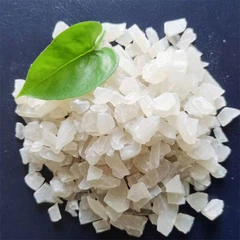
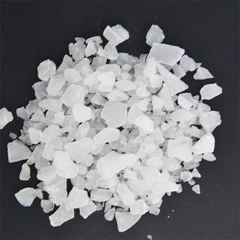
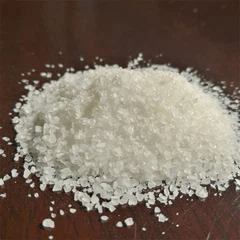
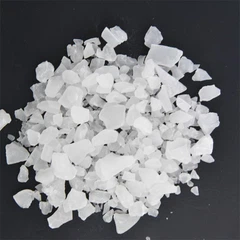
First off, let's talk a bit about what aluminum sulfate is. Aluminum sulfate, also known as alum, is a chemical compound that's commonly used in soil amendment. You can check out more about Aluminium Sulphate Fertilizer on our website. It's widely used because it can lower the soil pH, which is super important for many plants. Most plants have a preferred pH range for optimal growth, and aluminum sulfate can help adjust the soil to meet those needs.
Now, let's get to the main question: how does aluminum sulfate affect root growth? Well, the relationship between aluminum sulfate and root growth is quite complex and depends on several factors. One of the primary ways aluminum sulfate impacts roots is through its effect on soil pH. When you add aluminum sulfate to the soil, it reacts with water and other components in the soil to release hydrogen ions. This process acidifies the soil, making it more acidic.
For some plants, a slightly acidic soil is ideal. Many acid-loving plants like blueberries, azaleas, and rhododendrons thrive in acidic soil conditions. When the soil pH is in the right range for these plants, their roots can absorb nutrients more efficiently. Aluminum sulfate helps create this favorable environment by lowering the pH, which in turn promotes better root development. The roots can grow more vigorously, branch out more, and take up essential nutrients like nitrogen, phosphorus, and potassium more effectively.
However, it's not all sunshine and rainbows. If the soil becomes too acidic due to excessive use of aluminum sulfate, it can have a negative impact on root growth. High levels of aluminum in acidic soil can be toxic to plants. Aluminum ions can bind to the root cell walls, preventing the roots from taking up water and nutrients properly. This can lead to stunted root growth, yellowing of leaves, and even plant death in severe cases.
Another factor to consider is the type of soil. Different soils have different buffering capacities, which means they can resist changes in pH to varying degrees. Sandy soils, for example, have a lower buffering capacity than clay soils. This means that adding aluminum sulfate to sandy soil can cause a more rapid and significant change in pH compared to clay soil. So, if you're using aluminum sulfate on sandy soil, you need to be extra careful not to overdo it.
To ensure that you're using aluminum sulfate correctly to promote root growth, it's important to test your soil first. You can use a soil testing kit to determine the current pH of your soil and the nutrient levels. Based on the test results, you can calculate the appropriate amount of aluminum sulfate to add. It's also a good idea to follow the instructions on the product label carefully.
In addition to its effect on soil pH, aluminum sulfate can also have other benefits for root growth. It can help improve soil structure in some cases. When added to heavy clay soils, aluminum sulfate can cause the clay particles to flocculate, or clump together. This creates larger pore spaces in the soil, which improves aeration and drainage. Good aeration and drainage are essential for healthy root growth because roots need oxygen to survive and function properly.
If you're interested in learning more about Aluminum Sulfate Soil Amendment, we have a wealth of information on our website. We offer high-quality aluminum sulfate products that are carefully formulated to provide the best results for your soil and plants. Our products are tested and proven to be effective in promoting root growth and improving soil quality.
So, whether you're a professional farmer, a home gardener, or just someone who loves plants, aluminum sulfate can be a valuable tool in your soil amendment arsenal. But remember, like any tool, it needs to be used correctly. If you have any questions or need advice on using aluminum sulfate to promote root growth, don't hesitate to reach out. We're here to help you achieve the best results for your plants.
In conclusion, aluminum sulfate can have a significant impact on root growth in soil amendment. When used correctly, it can create a favorable environment for plants by adjusting the soil pH and improving soil structure. However, it's important to use it with caution to avoid over - acidifying the soil and causing harm to the roots. By testing your soil, following the instructions, and using high - quality products, you can ensure that your plants' roots grow strong and healthy.
If you're interested in purchasing aluminum sulfate soil amendment for your gardening or farming needs, we'd love to have a chat with you. We can provide you with more detailed information about our products, help you determine the right amount to use for your specific situation, and answer any questions you might have. Just reach out, and let's start a conversation about how we can work together to improve your soil and grow healthier plants.
References


- Brady, N. C., & Weil, R. R. (2008). The nature and properties of soils. Pearson Prentice Hall.
- Marschner, H. (2012). Mineral nutrition of higher plants. Academic Press.
Send Inquiry