

How does aluminum sulfate influence the formation of soil humus during amendment?
Jul 09, 2025
Leave a message
Hey there! As a supplier of aluminum sulfate soil amendment, I've seen firsthand the wonders it can do for soil health. One of the most fascinating aspects is how it influences the formation of soil humus during the amendment process. So, let's dive right in and explore this topic!
First off, what's soil humus? Well, it's like the superhero of the soil world. Humus is a dark, organic material that forms in soil when plant and animal matter decays. It's packed with nutrients, helps improve soil structure, retains water, and provides a cozy home for beneficial microorganisms. In short, healthy soil with plenty of humus is the key to growing strong, vibrant plants.
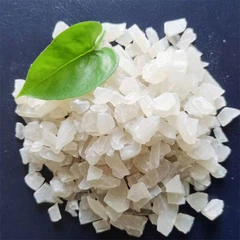
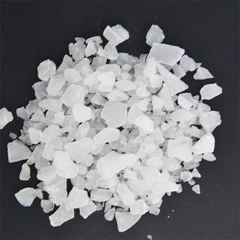
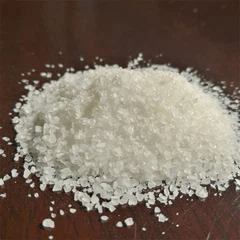
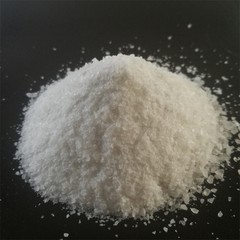
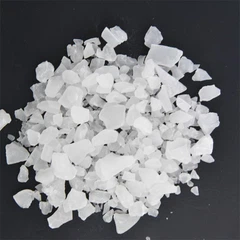
Now, let's talk about aluminum sulfate. You can learn more about Aluminum Sulfate Soil Amendment on our website. Aluminum sulfate, also known as alum, is a white crystalline compound that's commonly used in soil amendment. It's often used to lower the pH of alkaline soils, making them more acidic. This is super important because many plants prefer slightly acidic soil conditions to thrive.
But how does aluminum sulfate fit into the picture of soil humus formation? Well, it all starts with the soil's chemistry. When aluminum sulfate is added to the soil, it reacts with water and other soil components. The aluminum ions in the compound can interact with organic matter in the soil. This interaction can have several effects on the process of humus formation.
One of the main ways aluminum sulfate influences humus formation is by affecting the decomposition of organic matter. Microorganisms in the soil are the ones responsible for breaking down plant and animal residues into humus. Aluminum sulfate can change the soil environment in a way that either speeds up or slows down this decomposition process.
In some cases, aluminum sulfate can create a more favorable environment for certain types of microorganisms. For example, some acid - loving bacteria and fungi thrive in the slightly acidic conditions created by aluminum sulfate. These microorganisms are really good at breaking down complex organic compounds. They can break down plant materials like leaves, stems, and roots more efficiently, which means that more organic matter can be converted into humus.
On the other hand, if the concentration of aluminum sulfate is too high, it can have a negative impact. High levels of aluminum can be toxic to some microorganisms. This can slow down the decomposition process, as fewer organisms are available to break down the organic matter. So, it's really important to use the right amount of aluminum sulfate in the soil amendment process.


Another way aluminum sulfate affects humus formation is through its interaction with soil particles. Aluminum ions can bind to clay particles in the soil. This binding can change the soil's structure, making it more porous. A more porous soil allows for better air and water movement. This is crucial for the activity of soil microorganisms. Good air circulation means that aerobic microorganisms, which need oxygen to survive, can do their job of decomposing organic matter more effectively. And better water movement helps transport nutrients and organic materials throughout the soil, which also aids in the humus - forming process.
Let's also consider the role of aluminum sulfate in nutrient cycling. When organic matter decomposes to form humus, nutrients are released into the soil. Aluminum sulfate can influence how these nutrients are retained and made available to plants. For instance, it can help prevent the leaching of certain nutrients. Leaching is when nutrients are washed out of the soil by water. By binding to soil particles and organic matter, aluminum sulfate can hold onto nutrients like phosphorus and potassium, making them more accessible to plants and also contributing to the overall quality of the humus.
If you're into Aluminium Sulphate Fertilizer, you'll know that it also contains sulfur. Sulfur is an essential nutrient for plants. It plays a role in many biological processes, including the formation of proteins and enzymes. When aluminum sulfate is added to the soil, the sulfur it contains can be incorporated into the humus. This enriches the humus with sulfur, which in turn can benefit plant growth.
Now, let's talk about the practical side of using aluminum sulfate for soil humus formation. As a supplier, I've helped many farmers and gardeners with their soil amendment needs. When using aluminum sulfate, it's important to test your soil first. A soil test will tell you the current pH of your soil and the levels of various nutrients. Based on the test results, you can determine the right amount of aluminum sulfate to add.
Generally, you'll want to start with a small amount and gradually increase it if needed. You can mix the aluminum sulfate into the top few inches of soil. It's a good idea to do this before planting or during the off - season. This gives the aluminum sulfate enough time to react with the soil and start influencing the humus formation process.
Also, make sure to water the soil after applying aluminum sulfate. Water helps the compound dissolve and spread evenly throughout the soil. This ensures that the beneficial effects on humus formation are distributed across the entire area.
If you're growing different types of plants, keep in mind that they have different soil requirements. Some plants, like blueberries and azaleas, are very sensitive to soil pH and love acidic conditions. For these plants, using aluminum sulfate to lower the soil pH and promote humus formation can be a game - changer.
In conclusion, aluminum sulfate is a powerful tool in soil amendment, and its influence on soil humus formation is significant. By creating a more favorable environment for microorganisms, changing soil structure, and influencing nutrient cycling, it can help build healthier soil with more humus. This, in turn, leads to better plant growth and more productive gardens and farms.
If you're interested in learning more about how aluminum sulfate can improve your soil and enhance humus formation, or if you're looking to purchase high - quality aluminum sulfate for your soil amendment needs, don't hesitate to reach out. We're here to help you make the most of your soil and grow amazing plants.
References:
- Brady, N. C., & Weil, R. R. (2008). The Nature and Properties of Soils. Pearson Prentice Hall.
- Stevenson, F. J. (1994). Humus Chemistry: Genesis, Composition, Reactions. Wiley - Interscience.
- Rengel, Z. (Ed.). (2008). Handbook of Plant and Crop Physiology. Marcel Dekker.
Send Inquiry