

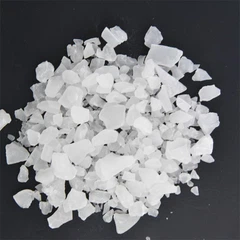
How does aluminum sulfate fertilizer affect the nitrogen cycle in the soil?
Aug 29, 2025
Leave a message
Hey there! As a supplier of aluminum sulfate fertilizer, I've been getting a lot of questions lately about how this product affects the nitrogen cycle in the soil. Well, I'm here to break it down for you in a way that's easy to understand.
First off, let's talk a bit about what the nitrogen cycle is. The nitrogen cycle is a crucial process in the soil ecosystem. Nitrogen is an essential nutrient for plants, and it exists in different forms in the soil. The cycle involves several key steps: nitrogen fixation, where atmospheric nitrogen is converted into a usable form by certain bacteria; nitrification, where ammonia is converted into nitrite and then nitrate; and denitrification, where nitrate is converted back into atmospheric nitrogen.
So, how does aluminum sulfate fertilizer fit into all of this?
Acidification and Nitrification
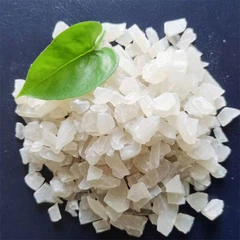
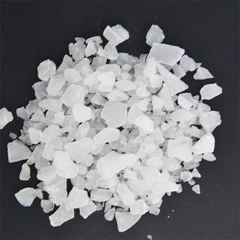
One of the main effects of aluminum sulfate fertilizer is its ability to acidify the soil. When we apply Aluminium Sulphate Fertilizer to the soil, it releases hydrogen ions, which lower the soil pH. This acidification can have a significant impact on the nitrification process.
Nitrifying bacteria, which are responsible for converting ammonia to nitrite and then to nitrate, are sensitive to soil pH. They generally prefer a slightly alkaline to neutral pH environment. When the soil becomes more acidic due to the addition of aluminum sulfate, the activity of these nitrifying bacteria can be inhibited. As a result, the conversion of ammonia to nitrate may slow down. This can be both a good and a bad thing.


On the positive side, if you have a soil with high ammonia levels, slowing down nitrification can prevent the rapid loss of nitrogen through leaching. Nitrate is highly soluble in water and can easily be washed out of the soil, especially in areas with heavy rainfall or excessive irrigation. By keeping more nitrogen in the ammonia form, we can potentially reduce nitrogen loss and make it more available to plants over a longer period.
However, on the negative side, plants often prefer to take up nitrogen in the nitrate form. If nitrification is severely inhibited, plants may not get enough of the nitrate they need for optimal growth. This can lead to nitrogen deficiency symptoms such as yellowing leaves and stunted growth.
Aluminum and Microbial Activity
Another aspect to consider is the role of aluminum itself. Aluminum is released into the soil when aluminum sulfate dissolves. In high concentrations, aluminum can be toxic to soil microorganisms, including those involved in the nitrogen cycle.
Some soil bacteria and fungi play important roles in nitrogen fixation and denitrification. When aluminum levels in the soil are too high, it can disrupt the normal functioning of these microorganisms. For example, nitrogen-fixing bacteria may have their cell membranes damaged by aluminum ions, reducing their ability to convert atmospheric nitrogen into a usable form.
Moreover, aluminum can also affect the availability of other nutrients in the soil, which in turn can influence the nitrogen cycle. For instance, aluminum can react with phosphorus in the soil, forming insoluble compounds. Phosphorus is an important nutrient for many soil microorganisms involved in the nitrogen cycle. If phosphorus becomes less available, it can further disrupt the microbial processes that are essential for nitrogen cycling.
Impact on Plant Uptake
The changes in the nitrogen cycle caused by aluminum sulfate fertilizer can also impact how plants take up nitrogen. As mentioned earlier, plants have different preferences for nitrogen forms. Some plants are better at taking up ammonia, while others prefer nitrate.
When the soil pH is altered by aluminum sulfate, it can change the balance of nitrogen forms in the soil. This can affect which plants thrive in the area. For example, acid-loving plants such as blueberries and azaleas may benefit from the acidification caused by aluminum sulfate. These plants are adapted to grow in acidic soils and can take up nitrogen more efficiently in the forms available in such conditions.
On the other hand, plants that prefer a more neutral to alkaline soil may struggle. They may not be able to access enough nitrogen in the forms that are available in the acidified soil. This can lead to reduced growth and productivity.
Using Aluminum Sulfate Fertilizer Wisely
So, how can we use Aluminum Sulfate Soil Amendment in a way that maximizes its benefits while minimizing its negative impacts on the nitrogen cycle?
First, it's important to test the soil before applying aluminum sulfate. This will give you an idea of the current soil pH, nitrogen levels, and other nutrient contents. Based on the test results, you can determine the appropriate amount of aluminum sulfate to apply.
It's also a good idea to combine aluminum sulfate with other fertilizers and soil amendments. For example, adding organic matter such as compost or manure can help buffer the soil against excessive acidification. Organic matter can also provide a source of nutrients for soil microorganisms, helping to maintain their activity even in the presence of aluminum.
In addition, monitoring the soil regularly after applying aluminum sulfate is crucial. This will allow you to detect any changes in the nitrogen cycle and make adjustments as needed. You can measure soil pH, nitrogen levels, and plant growth to assess the effectiveness of the fertilizer application.
Conclusion
In conclusion, aluminum sulfate fertilizer can have a complex impact on the nitrogen cycle in the soil. Its acidifying effect can slow down nitrification, and the presence of aluminum can affect microbial activity. These changes can both benefit and harm plant growth, depending on the plant species and the soil conditions.
As a supplier of aluminum sulfate fertilizer, I understand the importance of using this product responsibly. By being aware of its effects on the nitrogen cycle and taking appropriate measures, we can ensure that our customers get the best results from their fertilizer applications.
If you're interested in learning more about how aluminum sulfate fertilizer can work for your specific soil and crop needs, or if you're looking to purchase our high - quality aluminum sulfate fertilizer, don't hesitate to reach out. We're here to help you make the most of this valuable product and achieve a healthy and productive soil ecosystem.
References
- Brady, N. C., & Weil, R. R. (2008). The Nature and Properties of Soils. Prentice Hall.
- Paul, E. A., & Clark, F. E. (1996). Soil Microbiology and Biochemistry. Academic Press.
- Stevenson, F. J. (1994). Humus Chemistry: Genesis, Composition, Reactions. Wiley - Interscience.
Send Inquiry