
How does aluminum sulfate in drinking water interact with sediment?
Dec 25, 2025
Leave a message
Hey there! As a supplier of aluminum sulfate for drinking water, I've seen firsthand how this nifty chemical plays a crucial role in water treatment. One of the most interesting aspects is how it interacts with sediment in drinking water. So, let's dive right in and explore this topic!
What is Aluminum Sulfate?
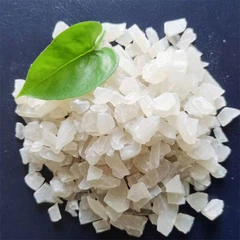
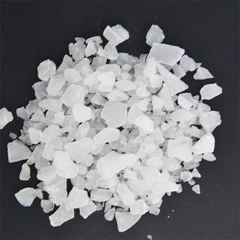
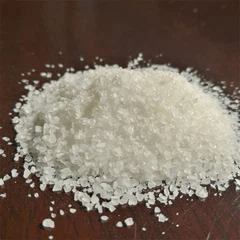
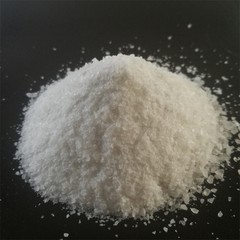
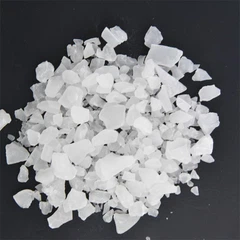
First off, let's get a basic understanding of aluminum sulfate. It's a chemical compound that's commonly used in water treatment processes. You might also hear it called alum. Aluminum sulfate is super effective at removing impurities from water, and that's why it's a go - to choice for many water treatment facilities.
When you add aluminum sulfate to water, it dissolves and forms positively charged aluminum ions. These ions are key players in the interaction with sediment. Sediment in water can include all sorts of things like dirt, clay, and organic matter. These particles are usually negatively charged.
The Interaction Process
The interaction between aluminum sulfate and sediment is based on the principle of charge neutralization. The positively charged aluminum ions from the aluminum sulfate are attracted to the negatively charged sediment particles. When they come together, the charges on the sediment particles are neutralized.
Once the charges are neutralized, the sediment particles start to clump together. This process is called coagulation. The clumps, or flocs, that form are much larger than the individual sediment particles. And here's the cool part: these larger flocs are easier to remove from the water.
For example, in a water treatment plant, after the coagulation process, the water can be passed through filters. The large flocs get trapped in the filters, while the cleaner water passes through. This significantly reduces the amount of sediment in the drinking water.
Factors Affecting the Interaction
There are a few factors that can affect how well aluminum sulfate interacts with sediment. One of the most important factors is the pH of the water. The optimal pH range for aluminum sulfate to work effectively is usually between 5.5 and 7.5. If the pH is too low or too high, the aluminum ions may not form properly, or the flocs may not form as well.
Another factor is the concentration of aluminum sulfate. If you add too little, there won't be enough aluminum ions to neutralize all the sediment particles. On the other hand, if you add too much, it can lead to other problems, like an increase in the aluminum content of the treated water, which can be a health concern.
The type of sediment also matters. Different types of sediment have different surface charges and properties. For instance, organic sediment may require a different dosage of aluminum sulfate compared to inorganic sediment like clay.
Benefits of Using Aluminum Sulfate in Sediment Removal
Using aluminum sulfate to interact with sediment in drinking water has several benefits. First of all, it's a very cost - effective method. Aluminum sulfate is relatively inexpensive compared to some other water treatment chemicals.
It's also highly efficient. In a short amount of time, it can cause the sediment particles to coagulate and form flocs. This means that water treatment plants can treat large volumes of water quickly.
Moreover, it helps improve the overall quality of drinking water. By removing sediment, the water becomes clearer and less likely to have an unpleasant taste or odor. This makes the water more appealing to consumers.
Applications in Different Water Treatment Scenarios
Aluminum sulfate is used in various water treatment scenarios. For portable water, it's a key component in making water safe to drink. You can learn more about Aluminum Sulphate for Portable Water. In this case, the goal is to remove sediment and other impurities so that the water meets the standards for human consumption.
When it comes to Aluminum Sulphate for Drinking Water Treatment, the process is similar but may involve additional steps to ensure the water is of the highest quality. The interaction with sediment is just the first step in a series of treatment processes.
In sewage treatment, aluminum sulfate also plays an important role. Sewage Treatment Aluminum Sulphate helps in removing sediment and other solids from sewage water before it's released back into the environment. This reduces the environmental impact of sewage disposal.
Challenges and Considerations
While aluminum sulfate is very effective in interacting with sediment, there are some challenges and considerations. One concern is the potential presence of residual aluminum in the treated water. Although the amount is usually within the safe limits set by regulatory authorities, some people may still be sensitive to aluminum.
Another challenge is the proper disposal of the flocs that are removed from the water. These flocs contain a mixture of sediment and aluminum compounds, and they need to be disposed of in an environmentally friendly way.
Conclusion
In conclusion, the interaction between aluminum sulfate and sediment in drinking water is a fascinating process that's based on simple chemical principles. It's a crucial step in water treatment, helping to provide clean and safe drinking water to millions of people.
As a supplier of aluminum sulfate for drinking water, I'm always here to help water treatment facilities make the most of this amazing chemical. Whether you're dealing with portable water, drinking water treatment, or sewage treatment, aluminum sulfate can be a great solution.


If you're in the market for high - quality aluminum sulfate for your water treatment needs, I'd love to have a chat with you. We can discuss your specific requirements and find the best solution for you. Contact me to start the procurement process and let's work together to ensure clean and safe water for everyone.
References
- American Water Works Association. "Water Treatment Principles and Design."
- Environmental Protection Agency. "Drinking Water Treatment Guidelines."
- World Health Organization. "Guidelines for Drinking - Water Quality."
Send Inquiry