

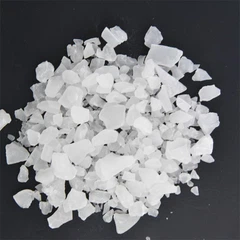
How does aluminum sulphate flake assist in the tanning process?
Jan 14, 2026
Leave a message
In the realm of leather production, the tanning process stands as a cornerstone, transforming raw hides into durable, usable leather. Among the various chemicals employed in this intricate process, aluminum sulphate flakes have emerged as a crucial player. As a leading supplier of aluminum sulphate flakes, I am thrilled to delve into the ways in which these flakes assist in the tanning process.
The Basics of the Tanning Process
Before we explore the role of aluminum sulphate flakes, it is essential to understand the fundamentals of the tanning process. Tanning is a chemical treatment that stabilizes the protein structure of raw hides, preventing them from putrefying and making them suitable for a wide range of applications. There are two primary types of tanning: vegetable tanning and chrome tanning. While chrome tanning is the most widely used method due to its efficiency and the quality of the resulting leather, other tanning agents, such as aluminum sulphate, also play significant roles.


How Aluminum Sulphate Flakes Assist in Tanning
1. Pretreatment and pH Adjustment
One of the initial steps in the tanning process is the pretreatment of raw hides. This involves soaking the hides in a series of solutions to remove dirt, hair, and other impurities. Aluminum sulphate flakes are often used in this stage to adjust the pH of the solution. The acidic nature of aluminum sulphate helps to lower the pH, creating an environment that is conducive to the subsequent tanning reactions. A proper pH level is crucial as it affects the solubility of proteins and the reactivity of tanning agents. By adjusting the pH, aluminum sulphate flakes ensure that the hides are in an optimal state for tanning.
2. Tanning Agent and Leather Preservation
Aluminum sulphate can act as a tanning agent on its own or in combination with other tanning agents. When used as a tanning agent, it reacts with the collagen fibers in the hides, cross - linking them and forming a stable network. This cross - linking process not only makes the leather more durable but also resistant to water and microbial attack. The aluminum ions in aluminum sulphate bind to the carboxyl groups of the collagen, creating a protective layer that helps to preserve the leather.
In combination with other tanning agents, such as Ferric Aluminium Sulphate, aluminum sulphate can enhance the tanning effect. Ferric aluminium sulphate contains both iron and aluminum ions, which can work synergistically to improve the quality of the tanned leather. The iron ions can further cross - link the collagen fibers, while the aluminum ions contribute to the overall stability of the leather structure.
3. Fatliquoring and Softening
After the tanning process, the leather needs to be fatliquored to make it soft, supple, and waterproof. Aluminum sulphate flakes can play a role in this stage as well. They can help to emulsify the fatliquoring agents, ensuring that they are evenly distributed throughout the leather. This results in a more uniform and consistent softening of the leather. Additionally, the presence of aluminum sulphate can enhance the binding of the fatliquoring agents to the leather fibers, improving the long - term durability of the softening effect.
4. Dyeing and Finishing
Aluminum sulphate is also useful in the dyeing and finishing stages of leather production. It can act as a mordant, which is a substance that helps to fix the dye to the leather fibers. By forming a complex with the dye molecules, aluminum sulphate ensures that the color is more vibrant and long - lasting. In the finishing process, aluminum sulphate can be used to improve the surface properties of the leather, such as its smoothness and gloss.
Advantages of Using Aluminum Sulphate Flakes in Tanning
1. Cost - Effectiveness
Compared to some other tanning agents, such as chrome salts, aluminum sulphate flakes are relatively inexpensive. This makes them an attractive option for small - scale tanneries or those looking to reduce production costs. The cost - effectiveness of aluminum sulphate does not compromise its performance, as it can still produce high - quality leather when used appropriately.
2. Environmental Friendliness
Aluminum sulphate is considered to be more environmentally friendly than some other tanning agents. Chrome tanning, for example, produces significant amounts of chromium - containing waste, which can be toxic to the environment. In contrast, aluminum sulphate is less harmful and can be more easily managed in terms of waste disposal. It also has a lower impact on water quality, making it a more sustainable choice for the tanning industry.
3. Versatility
Aluminum sulphate flakes can be used in a variety of tanning processes and can be combined with different tanning agents. This versatility allows tanneries to customize the tanning process according to the specific requirements of the leather they are producing. Whether it is for making soft leather for clothing or durable leather for footwear, aluminum sulphate can be adjusted to meet the needs of different applications.
Our Aluminum Sulphate Flake Products
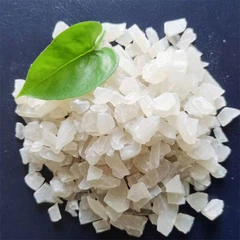
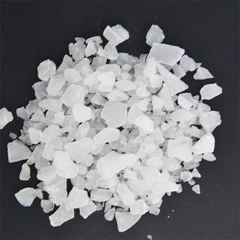
As a supplier of aluminum sulphate flakes, we offer a range of high - quality products that are suitable for the tanning industry. Our Aluminium Sulphate Octadecahydrate is a pure and highly soluble form of aluminum sulphate, which ensures easy handling and effective performance in the tanning process. We also provide Industrial Aluminum Sulphate, which is formulated to meet the specific needs of industrial tanneries. Our products are produced using advanced manufacturing processes and strict quality control measures to ensure consistent quality and performance.
Contact Us for Purchase and Consultation
If you are in the leather tanning industry and are looking for a reliable supplier of aluminum sulphate flakes, we would be delighted to hear from you. Our team of experts can provide you with detailed information about our products, their applications in the tanning process, and offer customized solutions based on your specific requirements. Whether you are a small - scale tannery or a large industrial producer, we have the products and expertise to meet your needs. Contact us today to start a purchase negotiation and take your leather production to the next level.
References
- Bock, K. W. (2003). Leather: Technology, Chemistry and Materials. Springer.
- Wilson, A. D. (1996). The Chemistry of Leather Manufacture. Leatherhead Publishing.
- Roffey, S. B. (1982). The Science of Leather Manufacture. New York: Pergamon Press.
Send Inquiry