

How does aluminum sulphate lump affect concrete properties?
Aug 01, 2025
Leave a message
Hey there! As an aluminum sulphate lump supplier, I've been getting a lot of questions lately about how this product affects concrete properties. So, I thought I'd take a deep - dive into it and share some insights with you.
What is Aluminum Sulphate Lump?
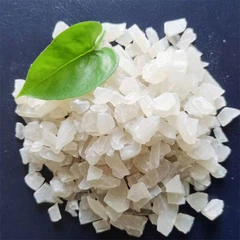
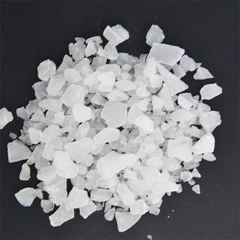
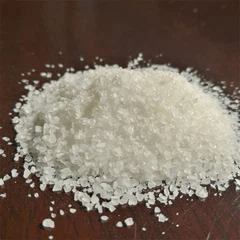
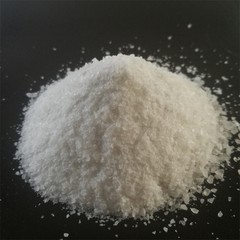
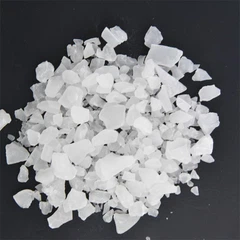
First off, let's talk a bit about what aluminum sulphate lump is. Aluminum sulphate lump, with the CAS 10043 - 01 - 3, is a chemical compound that has a wide range of applications. It's commonly used in water treatment, paper manufacturing, and yes, in the construction industry, especially when it comes to concrete. You can find more about it on our Aluminum Sulphate Lump page.
Impact on Setting Time
One of the most significant ways aluminum sulphate lump affects concrete is its impact on the setting time. When you add aluminum sulphate lump to concrete, it acts as an accelerator in many cases. This means that the concrete starts to set faster than it would without it.
In construction projects where time is of the essence, like building a high - rise in a busy city center, a faster setting time can be a huge advantage. Workers can move on to the next stage of the project more quickly, which can save a lot of time and money. However, it's important to note that if too much aluminum sulphate lump is added, the concrete can set too rapidly. This can lead to cracking and a reduction in the overall strength of the concrete. So, it's all about finding that sweet spot.
Effect on Strength
The strength of concrete is a crucial factor in any construction project. Aluminum sulphate lump can have both positive and negative effects on concrete strength.
On the positive side, when used in the right amount, it can enhance the early - age strength of concrete. This is because the accelerated setting process allows the concrete to develop strength more quickly. In some cases, the concrete can reach a significant portion of its design strength within a shorter period, which is great for projects with tight deadlines.
But, if overused, aluminum sulphate lump can cause long - term strength issues. The rapid setting can result in a less uniform microstructure of the concrete. This can lead to a decrease in the long - term compressive and flexural strength of the concrete. So, proper dosage is key to ensuring that the concrete maintains its strength over time.
Influence on Workability
Workability is another important aspect of concrete. It refers to how easily the concrete can be mixed, placed, and compacted. Aluminum sulphate lump can affect workability in a few different ways.
When added to concrete, it can change the viscosity of the mixture. In small amounts, it can make the concrete more workable. The concrete becomes easier to spread and shape, which can be beneficial for tasks like pouring it into complex molds or working it around reinforcement bars.
However, if too much is added, the concrete can become too stiff. This makes it difficult to work with, and it may not be possible to achieve proper compaction. Poor compaction can lead to voids in the concrete, which can weaken its structure and reduce its durability.


Durability of Concrete
Durability is a major concern in construction. Concrete needs to be able to withstand the elements, chemicals, and wear and tear over time. Aluminum sulphate lump can have an impact on the durability of concrete.
On one hand, the accelerated setting and enhanced early - age strength can help protect the concrete from early damage. For example, it can be more resistant to abrasion during the construction process. On the other hand, if the long - term strength is compromised due to over - use of aluminum sulphate lump, the concrete may be more susceptible to cracking and spalling over time.
In addition, aluminum sulphate lump can also affect the concrete's resistance to chemical attacks. In some environments, where the concrete is exposed to aggressive chemicals, the presence of aluminum sulphate lump can either enhance or reduce its resistance, depending on the specific chemical and the dosage of the additive.
Applications in Different Concrete Types
Aluminum sulphate lump can be used in various types of concrete. For example, in self - compacting concrete, a small amount of aluminum sulphate lump can help improve the flowability and stability of the mixture. This allows the concrete to fill complex forms without the need for excessive vibration.
In high - performance concrete, where strength and durability are of utmost importance, aluminum sulphate lump can be used to optimize the early - age properties while maintaining long - term performance. However, careful testing and monitoring are required to ensure that the desired properties are achieved.
Our Ferric Aluminium Sulphate Option
We also offer Ferric Aluminium Sulphate, which has some unique properties when it comes to concrete. Ferric aluminium sulphate can have a different impact on the setting time, strength, and workability compared to regular aluminum sulphate lump. It may be a better option for certain types of concrete projects, especially those where a more controlled setting process is required.
Conclusion
In conclusion, aluminum sulphate lump can have a significant impact on concrete properties. It can affect the setting time, strength, workability, and durability of concrete. However, the key to using it effectively is to use the right dosage and understand the specific requirements of your construction project.
If you're interested in using aluminum sulphate lump for your concrete projects, we're here to help. We have a team of experts who can provide you with the right advice on dosage and application. Whether you're building a small home or a large commercial complex, we can help you get the most out of our aluminum sulphate lump products. So, don't hesitate to reach out and start a conversation about your specific needs. We're looking forward to working with you on your next project!
References
- Neville, A. M. (1995). Properties of Concrete. Pearson Education.
- Mindess, S., Young, J. F., & Darwin, D. (2003). Concrete. Prentice Hall.
- Mehta, P. K., & Monteiro, P. J. M. (2013). Concrete: Microstructure, Properties, and Materials. McGraw - Hill.
Send Inquiry