

How does battery grade aluminium sulfate interact with other battery components?
Dec 31, 2025
Leave a message
Battery technology is at the forefront of the modern energy revolution, powering everything from electric vehicles to portable electronics. As a supplier of Battery Grade Aluminium Sulfate, I am constantly fascinated by the intricate ways in which this compound interacts with other battery components. In this blog post, we will delve into the science behind these interactions and explore their significance in battery performance.
Understanding Battery Grade Aluminium Sulfate
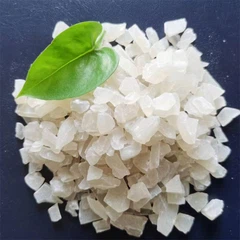
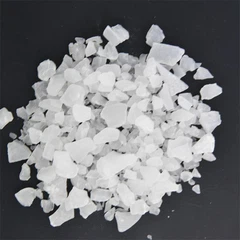
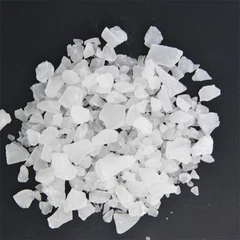
Battery grade aluminium sulfate, with the chemical formula Al₂(SO₄)₃, is a high - purity form of the compound specifically designed for use in battery applications. It is characterized by its low levels of impurities, which are crucial to avoid unwanted side reactions in the battery environment that could compromise performance or safety.

Aluminium sulfate has several advantageous properties that make it suitable for battery use. It is highly soluble in water, which allows for easy incorporation into battery electrolytes. Additionally, it can contribute to the formation of stable complexes and participate in redox reactions under certain conditions, influencing the overall electrochemical behavior of the battery.
Interaction with the Electrolyte
The electrolyte is a critical component of a battery, responsible for transporting ions between the anode and the cathode. Battery grade aluminium sulfate can have a profound impact on the properties of the electrolyte.
One of the key interactions is its effect on the electrolyte conductivity. Aluminium sulfate ions can dissociate in the electrolyte solution, increasing the number of charge carriers. This, in turn, enhances the ionic conductivity of the electrolyte, facilitating faster ion transport between the electrodes. As a result, the battery can achieve higher charge and discharge rates, which is essential for applications requiring high - power output, such as electric vehicles.
However, the addition of aluminium sulfate must be carefully controlled. Excessive amounts can lead to an increase in the viscosity of the electrolyte. A more viscous electrolyte can impede ion movement, offsetting the initial gains in conductivity. Therefore, a balance must be struck to optimize the electrolyte's properties for maximum battery performance.
Another aspect of the interaction with the electrolyte is the formation of complexes. Aluminium ions from the aluminium sulfate can form complexes with other components in the electrolyte, such as solvents or additives. These complexes can alter the stability and reactivity of the electrolyte, which is important for maintaining long - term battery performance. For example, certain complexes may passivate the electrode surfaces, preventing unwanted side reactions and improving the overall cycle life of the battery.
Interaction with the Anode
The anode is the electrode where oxidation occurs during battery discharge. Battery grade aluminium sulfate can interact with the anode in multiple ways.
In some battery systems, aluminium sulfate can act as a protective agent for the anode. It can form a thin film on the anode surface, which serves as a physical barrier against corrosion and the formation of unwanted solid - electrolyte interphase (SEI) layers. A well - formed protective film can improve the anode's stability and reduce self - discharge, leading to better overall battery efficiency.
However, the interaction between aluminium sulfate and the anode material also depends on the type of anode used. For example, in lithium - ion batteries with a graphite anode, the presence of aluminium ions may affect the intercalation and de - intercalation of lithium ions. If not properly managed, this can lead to a decrease in the battery's capacity and performance over time. Therefore, understanding the specific anode - aluminium sulfate interaction is crucial for optimizing battery design.
Interaction with the Cathode
The cathode is the electrode where reduction occurs during battery discharge, and it is often the limiting factor in terms of battery capacity and energy density. Battery grade aluminium sulfate can play a role in enhancing cathode performance.
One way is by improving the structural stability of the cathode material. Aluminium ions can substitute for other metal ions in the cathode lattice structure, which can increase the material's resistance to phase changes and degradation during charge - discharge cycles. This results in a more stable cathode, leading to better capacity retention and longer battery life.
Moreover, aluminium sulfate can influence the redox reactions at the cathode. It can participate in the charge - transfer processes, either by providing additional electrons or by facilitating the movement of other ions involved in the redox reactions. This can enhance the cathode's electrochemical activity, allowing for higher energy output from the battery.
Impact on Battery Safety
Safety is a paramount concern in battery technology. Battery grade aluminium sulfate can contribute to improving battery safety in several ways.
The formation of protective layers on the electrodes, as mentioned earlier, can prevent short - circuits and thermal runaway. A stable SEI layer on the anode and a well - protected cathode can reduce the risk of internal short - circuits, which are often the cause of battery fires and explosions.
In addition, the complexes formed in the electrolyte can act as flame retardants. Aluminium - containing complexes have been shown to inhibit the combustion of organic solvents in the electrolyte, providing an additional layer of safety in case of overheating or other abnormal conditions.
Case Studies and Real - World Applications
To illustrate the practical significance of these interactions, let's look at some real - world applications. In electric vehicles, high - power batteries are required to provide sufficient energy for long - distance driving and rapid acceleration. By using battery grade aluminium sulfate in the electrolyte, manufacturers can improve the battery's power density and charge - discharge efficiency, resulting in better vehicle performance.
In stationary energy storage systems, such as those used in renewable energy integration, long - cycle life and high safety are crucial. The use of aluminium sulfate to enhance electrode stability and electrolyte safety can help these systems operate reliably over an extended period, making them more economically viable.
Conclusion and Call to Action
In conclusion, battery grade aluminium sulfate plays a multifaceted role in battery technology through its interactions with other battery components. From enhancing electrolyte conductivity and electrode stability to improving battery safety, its impact is far - reaching.
As a supplier of battery grade aluminium sulfate, I am committed to providing high - quality products that can meet the diverse needs of the battery industry. Whether you are a battery manufacturer looking to optimize your product performance or a researcher exploring new battery chemistries, our battery grade aluminium sulfate can be a valuable addition to your toolkit.
If you are interested in learning more about how our battery grade aluminium sulfate can benefit your battery applications or would like to discuss potential procurement opportunities, please feel free to reach out. We are eager to engage in discussions and help you find the best solutions for your specific requirements.
References
- Bard, A. J., & Faulkner, L. R. (2001). Electrochemical Methods: Fundamentals and Applications. Wiley.
- Winter, M., & Brodd, R. J. (2004). What Are Batteries, Fuel Cells, and Supercapacitors?. Chemical Reviews, 104(10), 4245 - 4269.
- Goodenough, J. B., & Kim, Y. (2010). Challenges for Rechargeable Li Batteries. Chemistry of Materials, 22(3), 587 - 603.
Send Inquiry