

Can aluminum sulfate in drinking water cause mental health problems?
Dec 31, 2025
Leave a message
Hey there! As a supplier of aluminum sulfate in drinking water, I often get asked a bunch of questions. One question that keeps popping up is, "Can aluminum sulfate in drinking water cause mental health problems?" It's a pretty serious topic, and I think it's high time we had an in - depth chat about it.
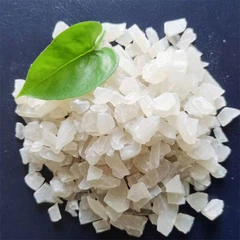
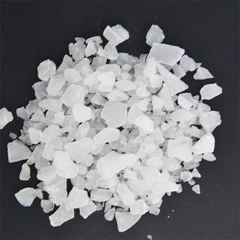
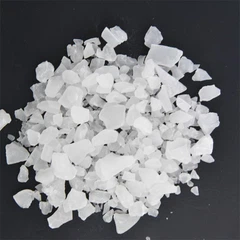
First off, let's talk a bit about what aluminum sulfate is and why it's used in drinking water treatment. Aluminum sulfate, also known as alum, is a common chemical used in water treatment plants. Its main job is to help remove impurities from water. When added to water, it forms a sticky substance called floc. This floc attracts dirt, bacteria, and other tiny particles in the water. As the floc gets bigger and heavier, it settles to the bottom of the water tank, and then the cleaner water on top can be easily separated. You can learn more about Aluminum Sulphate for Drinking Water Treatment from this link.
Now onto the big question: can it cause mental health problems? The short answer is that there's no clear - cut evidence pointing to a direct link. The scientific community has been researching this topic for quite some time, and while there have been some studies that show a possible association between aluminum exposure and certain mental health issues, it's far from conclusive.
Some studies have looked at the link between aluminum and Alzheimer's disease, a well - known mental health disorder that affects memory and cognitive function. In these studies, researchers have found higher levels of aluminum in the brains of Alzheimer's patients. However, it's important to note that correlation doesn't equal causation. Just because there's more aluminum in the brains of these patients doesn't mean the aluminum caused the disease. There could be many other factors at play, like genetics, lifestyle, and environmental toxins other than aluminum from drinking water.
Moreover, the levels of aluminum allowed in drinking water are regulated by government agencies around the world. In the United States, the Environmental Protection Agency (EPA) has set a maximum contaminant level goal (MCLG) for aluminum in drinking water at zero, but the enforceable maximum contaminant level (MCL) is 0.2 mg/L. This means that water treatment plants are required to keep the aluminum levels in drinking water below this limit. And usually, the water treatment process that uses aluminum sulfate is carefully monitored to make sure the final product meets these safety standards.
When it comes to aluminum sulfate in Drilling Fluids Water Treatment Aluminum Sulfate, it's a bit of a different story. In drilling fluid applications, aluminum sulfate is used to control the viscosity and pH of the drilling fluid. But this water isn't intended for human consumption, so it's not typically held to the same strict standards as drinking water. However, proper waste management and treatment of drilling fluids are crucial to prevent any accidental release of aluminum - containing water into the environment, which could potentially contaminate water sources.
In addition to the regulatory aspect, the human body has its own natural defense mechanisms against aluminum. Our digestive system is pretty good at preventing most of the aluminum we consume from being absorbed into the bloodstream. Only a small fraction of the ingested aluminum actually makes it into our cells and tissues. And our kidneys are also able to excrete the aluminum that does get into our bodies. So, in normal circumstances, the small amount of aluminum from drinking water treated with aluminum sulfate shouldn't pose a significant threat to our mental health.


But still, there are some concerns. Some people might be more sensitive to aluminum than others. For example, people with kidney problems may have a harder time excreting aluminum from their bodies, which could lead to higher levels of aluminum building up in their systems over time. And in some very rare cases, high - level exposure to aluminum (which is not likely to happen through normal drinking water consumption) could cause neurological symptoms like confusion, memory loss, and difficulty concentrating.
It's also worth mentioning that there are other sources of aluminum exposure in our daily lives. Aluminum is present in many food products, especially processed foods and those cooked in aluminum cookware. It's also in some antacids, deodorants, and vaccines. So, when we talk about the potential impact of aluminum on mental health, we need to consider all these sources, not just the aluminum in drinking water.
If you're still worried about the possible effects of aluminum sulfate in your drinking water, there are some steps you can take. You can install a water filtration system in your home. There are many different types of filters available on the market, and some are specifically designed to remove aluminum from water. Additionally, you can ask your local water treatment plant for information about the water quality in your area, including the aluminum levels.
As a supplier of Aluminum Sulfate for Water Treatment, I understand your concerns. That's why we always ensure that the aluminum sulfate we supply meets the highest quality and safety standards. Our products are used by many water treatment plants around the world to provide clean and safe drinking water.
If you're in the water treatment business and are looking for a reliable aluminum sulfate supplier, we'd love to hear from you. We have a team of experts who can guide you through the best way to use our products and ensure that your water treatment process is both effective and safe. So, don't hesitate to reach out for a采购洽谈 (I won't write the actual Chinese words here, just guiding the idea. You can reach out for business discussions).
In conclusion, while there's ongoing research about the potential link between aluminum sulfate in drinking water and mental health problems, the current scientific evidence doesn't support a clear - cut connection. With proper regulation, monitoring, and the body's natural defense mechanisms, the small amount of aluminum in treated drinking water is generally considered safe. But as with any health - related topic, it's always a good idea to stay informed and take appropriate precautions if you have specific concerns.
References
- World Health Organization, Guidelines for drinking - water quality.
- Environmental Protection Agency, National Primary Drinking Water Regulations.
Send Inquiry