

How does ferric aluminium sulphate affect the growth and metabolism of microorganisms?
Aug 15, 2025
Leave a message
Hey there! As a supplier of ferric aluminium sulphate, I've been getting a lot of questions lately about how this chemical affects the growth and metabolism of microorganisms. So, I thought I'd take a deep dive into this topic and share what I've learned.
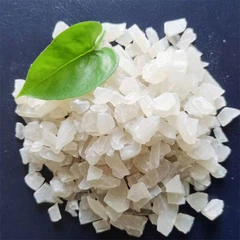
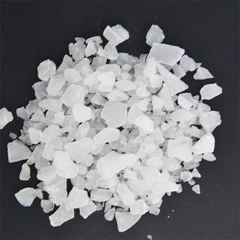
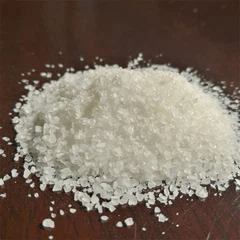
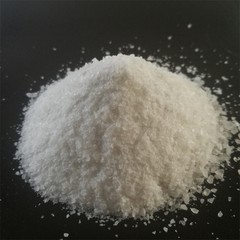
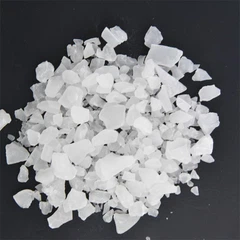
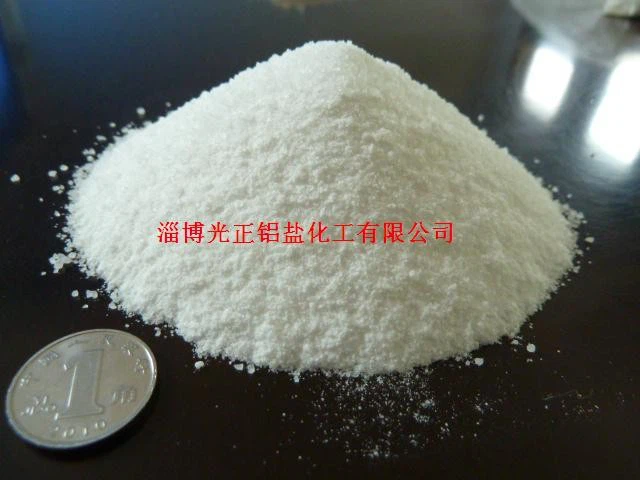
First off, let's talk a bit about ferric aluminium sulphate. It's a double salt that's commonly used in water treatment, paper manufacturing, and even in some agricultural applications. We offer different forms of it, like Aluminum Sulfate Powder Factory, Aluminum Sulphate Lump, and Aluminum Sulphate Powder. Each form has its own advantages depending on the specific use case.
Now, onto the main question: how does ferric aluminium sulphate affect the growth and metabolism of microorganisms? Well, it all boils down to a few key factors.
Impact on Microbial Growth
One of the primary ways ferric aluminium sulphate affects microorganisms is through its impact on the pH of the environment. When ferric aluminium sulphate is added to water, it hydrolyzes and releases hydrogen ions, which can lower the pH. Most microorganisms have an optimal pH range for growth, and a significant change in pH can either inhibit or promote their growth.
For example, some acidophilic microorganisms thrive in low - pH environments. When ferric aluminium sulphate is added and the pH drops, these acidophiles may experience enhanced growth. On the other hand, neutrophilic microorganisms, which prefer a near - neutral pH, may see their growth inhibited.

Another aspect is the availability of nutrients. Ferric aluminium sulphate can react with various substances in the environment, including nutrients that microorganisms need. It may form insoluble complexes with phosphate, for instance. Phosphate is a crucial nutrient for many microorganisms, involved in processes like energy transfer (ATP) and DNA synthesis. When phosphate is tied up in these complexes, it becomes less available to the microorganisms, which can slow down their growth.
Effects on Microbial Metabolism
Metabolism in microorganisms is a complex web of biochemical reactions. Ferric aluminium sulphate can interfere with these reactions in several ways.
Enzyme activity is a key part of microbial metabolism. Many enzymes are highly sensitive to changes in the chemical environment. The metal ions in ferric aluminium sulphate, such as iron and aluminium, can bind to enzymes and either activate or inhibit them. For example, some enzymes require specific metal ions as co - factors for their activity. If the metal ions from ferric aluminium sulphate bind to these enzymes in an inappropriate way, they can disrupt the normal catalytic function of the enzyme.
In addition, the oxidative stress on microorganisms can be affected. Ferric ions in ferric aluminium sulphate can participate in redox reactions. These reactions can generate reactive oxygen species (ROS) in the microbial cells. ROS are highly reactive molecules that can damage cellular components like DNA, proteins, and lipids. Microorganisms have defense mechanisms to deal with ROS, but if the production of ROS exceeds the cell's ability to neutralize them, it can lead to oxidative stress and disrupt normal metabolic processes.
Case Studies in Different Environments
Let's look at some real - world scenarios to see how these effects play out.
In water treatment plants, ferric aluminium sulphate is often used as a coagulant to remove suspended solids and impurities. The addition of this chemical can have a significant impact on the microbial community in the water. The decrease in pH and the formation of complexes with nutrients can reduce the population of some pathogenic microorganisms, which is a positive outcome for water quality. However, it can also affect the beneficial microorganisms that are involved in the natural purification processes, such as nitrifying bacteria. These bacteria play a crucial role in converting ammonia to nitrate, and their activity may be inhibited by the presence of ferric aluminium sulphate.
In soil, when ferric aluminium sulphate is used in agricultural applications, it can influence the soil microbiome. The change in soil pH can alter the composition of the microbial community. For example, fungi are generally more tolerant of acidic conditions than bacteria. So, an increase in soil acidity due to ferric aluminium sulphate may lead to a shift in the dominance from bacteria to fungi in the soil. This shift can have implications for soil fertility and nutrient cycling, as different microorganisms have different roles in these processes.
Practical Considerations for Suppliers
As a supplier of ferric aluminium sulphate, it's important to understand these effects so that we can provide the best advice to our customers. When recommending the use of our products, we need to consider the specific microbial environment in which it will be applied.
For water treatment, we need to work with our customers to find the right dosage of ferric aluminium sulphate. A too - high dosage can have a negative impact on the microbial community and disrupt the water treatment process. We also need to be aware of the type of water source and the existing microbial population.
In agricultural applications, we should inform farmers about the potential effects on soil microorganisms. They may need to take additional steps, such as adding lime to adjust the soil pH or using microbial inoculants to maintain a healthy soil microbiome.
Conclusion and Call to Action
In conclusion, ferric aluminium sulphate can have a wide - ranging impact on the growth and metabolism of microorganisms. Understanding these effects is crucial for both us as suppliers and our customers. Whether it's for water treatment, paper manufacturing, or agriculture, the proper use of ferric aluminium sulphate can lead to better results while minimizing negative impacts on the microbial world.
If you're interested in learning more about our ferric aluminium sulphate products or have questions about how they can be used in your specific application, feel free to reach out. We're here to help you make the most of our products and ensure that they are used in a way that balances the benefits with the potential effects on microorganisms.
References
- Madigan, M. T., Martinko, J. M., Bender, K. S., Buckley, D. H., & Stahl, D. A. (2018). Brock Biology of Microorganisms. Pearson.
- Eaton, A. D., Clesceri, L. S., & Greenberg, A. E. (2005). Standard Methods for the Examination of Water and Wastewater. American Public Health Association.
- Brady, N. C., & Weil, R. R. (2008). The Nature and Properties of Soils. Pearson Prentice Hall.
Send Inquiry