

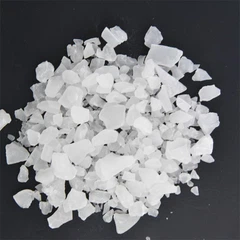
How does ferric aluminium sulphate improve the performance of construction materials?
Dec 15, 2025
Leave a message
Ferric aluminium sulphate, a compound with diverse applications, has been making significant strides in enhancing the performance of construction materials. As a supplier of ferric aluminium sulphate, I have witnessed firsthand the transformative effects it can have on various construction projects. In this blog post, we will delve into the science behind how ferric aluminium sulphate improves the performance of construction materials, exploring its mechanisms, benefits, and real - world applications.
Mechanisms of Action in Construction Materials
Hydration and Setting
One of the primary ways ferric aluminium sulphate impacts construction materials is through its influence on the hydration process. In cement - based materials, cement hydration is a complex chemical reaction that leads to the hardening and strength development of the material. Ferric aluminium sulphate can act as an accelerator or modifier of this hydration process.
When added to concrete or mortar, ferric aluminium sulphate can react with the calcium hydroxide produced during cement hydration. This reaction forms additional calcium sulphoaluminates, which contribute to the early strength gain of the material. The formation of these new compounds helps to fill the pores in the cement matrix more quickly, resulting in a denser and more compact structure. For example, in pre - cast concrete products, the use of ferric aluminium sulphate can reduce the curing time, allowing for faster production turnover and improved efficiency in the manufacturing process.
Particle Dispersion
Another important mechanism is its ability to disperse particles in the construction material. In concrete, aggregates and cement particles need to be well - dispersed to achieve a homogeneous mixture. Ferric aluminium sulphate can act as a dispersing agent, reducing the surface tension between particles and preventing them from agglomerating. This leads to a more uniform distribution of particles in the mixture, which in turn improves the workability of the concrete.
When the particles are better dispersed, the concrete can be more easily placed and compacted. This is particularly beneficial in large - scale construction projects where proper placement of concrete is crucial for the structural integrity of the building. Moreover, a more homogeneous mixture also results in better long - term performance, as it reduces the likelihood of weak spots or areas of high porosity in the concrete.
Chemical Bonding
Ferric aluminium sulphate can also enhance the chemical bonding within the construction material. It can form strong bonds with other components in the mixture, such as the cement paste and aggregates. These bonds contribute to the overall strength and durability of the material. For instance, in masonry mortars, the improved bonding provided by ferric aluminium sulphate can increase the adhesion between bricks or blocks, resulting in a more stable and long - lasting structure.
Benefits of Using Ferric Aluminium Sulphate in Construction Materials
Improved Strength
As mentioned earlier, the acceleration of the hydration process and the formation of additional compounds lead to an increase in the early and long - term strength of construction materials. In high - strength concrete applications, such as in high - rise buildings or bridges, the use of ferric aluminium sulphate can help meet the strict strength requirements. This not only ensures the safety of the structure but also allows for more innovative and efficient design solutions.
Enhanced Durability
The denser structure and improved chemical bonding provided by ferric aluminium sulphate contribute to the enhanced durability of construction materials. It can resist the ingress of water, chemicals, and other harmful substances, reducing the risk of corrosion, freeze - thaw damage, and other forms of deterioration. For example, in marine construction projects, where the concrete is exposed to saltwater and harsh environmental conditions, the use of ferric aluminium sulphate can significantly extend the service life of the structure.
Better Workability
The particle dispersion effect of ferric aluminium sulphate improves the workability of construction materials. This means that less water is required to achieve the desired consistency, which in turn reduces the water - cement ratio. A lower water - cement ratio is associated with higher strength and better durability. Additionally, improved workability also makes it easier for construction workers to handle and place the material, reducing the labor intensity and potential for errors during construction.
Cost - Efficiency
By reducing the curing time, improving workability, and enhancing the performance of construction materials, ferric aluminium sulphate can lead to cost savings in construction projects. Faster production turnover in pre - cast concrete, for example, can reduce the overall production cost. Moreover, the increased durability of the materials means less maintenance and repair work over the life of the structure, resulting in long - term cost savings.
Real - World Applications
Concrete Production
In the concrete industry, ferric aluminium sulphate is widely used in both ready - mix and pre - cast concrete. In ready - mix concrete, it can improve the workability and pumpability of the concrete, making it easier to transport and place at the construction site. In pre - cast concrete, it helps to reduce the curing time and increase the strength of the products, allowing for more efficient production.
Masonry Mortars
Masonry mortars are used to bond bricks, blocks, and stones in construction. Ferric aluminium sulphate can improve the adhesion and workability of the mortar, resulting in stronger and more aesthetically pleasing masonry structures. It also helps to prevent the formation of cracks and improves the resistance of the mortar to weathering.
Soil Stabilization
In geotechnical engineering, ferric aluminium sulphate can be used for soil stabilization. It can react with the soil particles to form a more stable and cohesive mass. This is particularly useful in road construction, where soil stabilization can improve the load - bearing capacity of the subgrade and reduce the risk of settlement.


Our Offerings as a Ferric Aluminium Sulphate Supplier
As a supplier of ferric aluminium sulphate, we offer high - quality products that are specifically formulated to meet the needs of the construction industry. Our ferric aluminium sulphate is produced using advanced manufacturing processes to ensure consistent quality and performance.
We provide a range of products, including Aluminium Sulfate Water Treatment, which can also be used in construction applications for its water - treatment and performance - enhancing properties. Our Aluminium Sulphate Liquid is easy to handle and mix, making it convenient for construction projects. Additionally, our Industrial Aluminum Sulphate is suitable for large - scale industrial construction applications.
Contact for Procurement and Collaboration
If you are involved in a construction project and are interested in using ferric aluminium sulphate to improve the performance of your construction materials, we would be delighted to discuss your requirements. Our team of experts can provide you with technical support, product samples, and detailed information about our products. Contact us today to start a fruitful procurement and collaboration journey.
References
- Neville, A. M. (2011). Properties of Concrete. Pearson Education.
- Mehta, P. K., & Monteiro, P. J. M. (2014). Concrete: Microstructure, Properties, and Materials. McGraw - Hill Education.
- ACI Committee 211. (2014). Standard Practice for Selecting Proportions for Normal, Heavyweight, and Mass Concrete. American Concrete Institute.
Send Inquiry