

How does the presence of other ions affect the performance of aluminium sulphate non ferric in water treatment?
Jul 31, 2025
Leave a message
Hey there! As a supplier of aluminium sulphate non ferric, I've been getting a lot of questions lately about how the presence of other ions affects its performance in water treatment. So, I thought I'd take a deep - dive into this topic and share my insights with you.
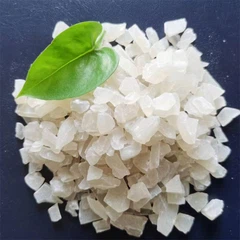
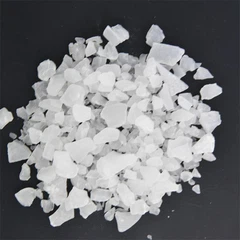
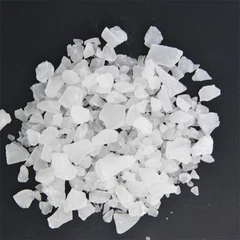
Let's start by understanding what aluminium sulphate non ferric is all about. It's a key player in water treatment processes. You can find out more about Reagent Grade Aluminum Sulphate, Non Iron Aluminum Sulphate, and Iron Free Aluminum Sulphate Flakes on our website.
The Basics of Aluminium Sulphate Non Ferric in Water Treatment
Aluminium sulphate non ferric works by forming flocs in water. These flocs are like little clumps that trap impurities such as suspended solids, bacteria, and some heavy metals. Once these impurities are trapped in the flocs, they can be easily removed through processes like sedimentation or filtration.
The chemical reaction behind this is pretty simple. When aluminium sulphate non ferric is added to water, it hydrolyzes to form aluminium hydroxide. The aluminium hydroxide then acts as a coagulant, binding the impurities together to form the flocs.
How Other Ions Come into Play
Now, let's talk about how other ions in the water can mess with this whole process. There are several types of ions that can be present in water, and each of them can have a different impact on the performance of aluminium sulphate non ferric.
1. Calcium and Magnesium Ions
Calcium and magnesium ions are commonly found in hard water. These ions can actually have a positive effect on the coagulation process. They can increase the charge neutralization ability of aluminium sulphate non ferric. In simple terms, they help the aluminium hydroxide to better attract and bind the negatively - charged impurities in the water.
However, if the concentration of calcium and magnesium ions is too high, it can also cause problems. High levels of these ions can lead to the formation of hard scale on equipment used in the water treatment process. This can reduce the efficiency of the equipment and increase maintenance costs.
2. Phosphate Ions
Phosphate ions can have a negative impact on the performance of aluminium sulphate non ferric. They react with aluminium ions to form aluminium phosphate. This reaction can reduce the amount of aluminium available for coagulation, which means that fewer flocs are formed. As a result, the removal of impurities from the water becomes less effective.
To counter this, sometimes additional doses of aluminium sulphate non ferric are required. But this can be costly and may also lead to an increase in the aluminium concentration in the treated water, which can be a concern for potable water supplies.
3. Chloride and Sulphate Ions
Chloride and sulphate ions are usually present in water in relatively high concentrations. These ions don't directly react with aluminium sulphate non ferric, but they can affect the ionic strength of the water.
An increase in ionic strength can change the behavior of the aluminium hydroxide flocs. It can make the flocs more compact, which can be good in terms of sedimentation. However, it can also make the flocs more difficult to break up if further treatment is required downstream.
4. Heavy Metal Ions
Heavy metal ions such as copper, lead, and zinc can also be present in water. These ions can have a complex relationship with aluminium sulphate non ferric. In some cases, they can be removed along with the other impurities by the flocs formed by aluminium sulphate non ferric.
However, some heavy metal ions can also interfere with the coagulation process. For example, copper ions can react with the aluminium hydroxide, changing its surface properties and reducing its ability to form flocs.
Measuring and Controlling the Impact of Other Ions
So, how do we deal with the presence of these other ions? The first step is to measure their concentrations in the water. This can be done using various analytical techniques such as ion chromatography or atomic absorption spectroscopy.
Once we know the concentrations of the other ions, we can adjust the dosage of aluminium sulphate non ferric accordingly. In some cases, we may also need to add other chemicals to the water to counteract the effects of the interfering ions.
For example, if phosphate ions are present in high concentrations, we can add a phosphate - binding agent before adding aluminium sulphate non ferric. This can prevent the formation of aluminium phosphate and ensure that there is enough aluminium available for coagulation.


Real - World Examples
Let's look at a real - world example to see how this all plays out. A water treatment plant was treating water from a river that had a high concentration of phosphate ions. When they first started using aluminium sulphate non ferric, they noticed that the water quality was not improving as expected. The flocs were small and not settling properly.
After analyzing the water, they found out that the high phosphate concentration was the culprit. They decided to add a phosphate - binding agent to the water before adding aluminium sulphate non ferric. This simple change made a huge difference. The flocs became larger and settled much more easily, and the water quality improved significantly.
The Importance of Water Analysis
As you can see, water analysis is crucial when using aluminium sulphate non ferric in water treatment. By knowing the exact composition of the water, we can optimize the dosage of aluminium sulphate non ferric and take steps to counteract the effects of other ions.
This not only improves the efficiency of the water treatment process but also reduces costs. By using the right amount of chemicals, we can avoid over - dosing, which can be wasteful and expensive.
Conclusion and Call to Action
In conclusion, the presence of other ions in water can have a significant impact on the performance of aluminium sulphate non ferric in water treatment. While some ions can enhance the coagulation process, others can interfere with it.
If you're in the water treatment business and are facing issues related to the performance of aluminium sulphate non ferric due to other ions in the water, don't hesitate to reach out. We have a team of experts who can help you analyze your water and come up with the best solution for your specific needs. Whether it's adjusting the dosage of aluminium sulphate non ferric or recommending additional chemicals, we've got you covered.
References
- AWWA (American Water Works Association). "Water Treatment Principles and Design."
- Letterman, Richard D. "Water Quality and Treatment: A Handbook of Community Water Supplies."
- Stumm, Werner, and James J. Morgan. "Aquatic Chemistry: Chemical Equilibria and Rates in Natural Waters."
Send Inquiry