

How is aluminium sulphate non ferric analyzed in a laboratory?
Dec 24, 2025
Leave a message
Hey there! I'm a supplier of aluminium sulphate non ferric, and today I wanna chat about how we analyze this stuff in the lab. Aluminium sulphate non ferric is a pretty important chemical, used in a bunch of industries like water treatment, paper manufacturing, and even in some food products. So, getting an accurate analysis is super crucial.
First off, let's talk about why we need to analyze it. Well, the quality of aluminium sulphate non ferric can vary, and different applications require different levels of purity and specific chemical compositions. For example, in water treatment, you need to make sure there are no harmful impurities that could end up in the water supply. And in paper manufacturing, the right composition can affect the strength and quality of the paper.
One of the most common methods we use in the lab for analyzing aluminium sulphate non ferric is titration. Titration is a technique where you add a reagent of known concentration to a sample until a chemical reaction is complete. In the case of aluminium sulphate non ferric, we often use a titrant to measure the amount of aluminium ions present.


To start the titration process, we first prepare a sample of the aluminium sulphate non ferric. We usually dissolve a known amount of the sample in water to create a solution. This makes it easier to work with and allows the chemical reactions to occur more evenly.
Next, we add an indicator to the solution. The indicator is a substance that changes color when the reaction is complete. For aluminium titration, we might use an indicator that changes color when all the aluminium ions have reacted with the titrant.
Then, we slowly add the titrant to the solution using a burette. A burette is a long, graduated tube with a stopcock at the bottom that allows us to control the flow of the titrant. As we add the titrant, we keep a close eye on the solution and look for the color change that indicates the end of the reaction.
Once the color change occurs, we stop adding the titrant and record the volume of titrant used. Using the known concentration of the titrant and the volume used, we can calculate the amount of aluminium ions in the sample. This gives us an idea of the purity of the aluminium sulphate non ferric and whether it meets the required specifications.
Another important aspect of analyzing aluminium sulphate non ferric is checking for the presence of impurities. One common impurity we look out for is iron. Since we're dealing with non ferric aluminium sulphate, we want to make sure there's as little iron as possible.
To test for iron, we can use a colorimetric method. Colorimetry is a technique that measures the intensity of color in a solution. In this case, we add a reagent to the sample that reacts with iron to produce a colored compound. The more iron present in the sample, the more intense the color of the solution will be.
We then use a colorimeter to measure the absorbance of the solution at a specific wavelength. The absorbance is proportional to the concentration of iron in the sample. By comparing the absorbance of the sample to a set of standard solutions with known iron concentrations, we can determine the amount of iron in the aluminium sulphate non ferric.
In addition to titration and colorimetry, we also use other analytical techniques in the lab. For example, we might use atomic absorption spectroscopy (AAS) to measure the concentration of various elements in the sample. AAS is a highly sensitive technique that can detect very low levels of elements.
To perform AAS, we first atomize the sample by heating it to a high temperature. This breaks the sample down into individual atoms. We then pass a beam of light through the atomized sample at a specific wavelength that corresponds to the element we're interested in. The atoms of the element will absorb some of the light, and the amount of absorption is proportional to the concentration of the element in the sample.
By analyzing the results of these different tests, we can get a comprehensive picture of the quality of the aluminium sulphate non ferric. We can determine the purity, the concentration of aluminium ions, and the presence of any impurities. This information is essential for ensuring that our product meets the needs of our customers.
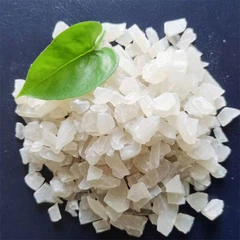
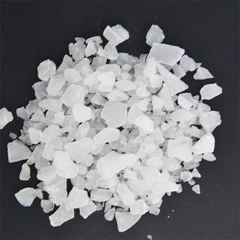
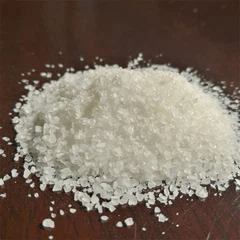
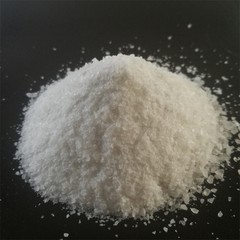
At our company, we offer a range of aluminium sulphate non ferric products, including 17% Aluminum Sulphate Powder, 16% Aluminum Sulphate, and Non Iron Aluminum Sulphate. Each of these products is carefully analyzed in our lab to ensure the highest quality.
If you're in the market for aluminium sulphate non ferric and want a product that you can trust, we'd love to hear from you. Whether you're in the water treatment industry, paper manufacturing, or any other field that uses this chemical, we can provide you with the right product for your needs. Just reach out to us to start a conversation about your requirements and how we can help.
In conclusion, analyzing aluminium sulphate non ferric in the lab is a complex but important process. By using a combination of techniques like titration, colorimetry, and atomic absorption spectroscopy, we can accurately determine the quality and purity of the product. This allows us to provide our customers with high-quality aluminium sulphate non ferric that meets their specific needs. So, if you're looking for a reliable supplier of this chemical, don't hesitate to get in touch.
References
- Harris, D. C. (2015). Quantitative Chemical Analysis. W. H. Freeman and Company.
- Skoog, D. A., West, D. M., Holler, F. J., & Crouch, S. R. (2013). Fundamentals of Analytical Chemistry. Cengage Learning.
Send Inquiry