

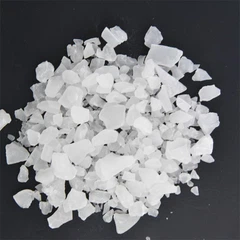
Can aluminium sulphate 17 be used in the production of glass?
Dec 23, 2025
Leave a message
Hey there! As a supplier of Aluminium Sulphate 17, I often get asked if this product can be used in the production of glass. Today, I'm gonna dive into this topic and share some insights with you.
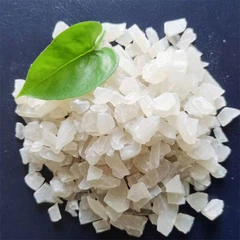
First off, let's talk a bit about Aluminium Sulphate 17. It's a pretty versatile chemical compound. You can check out more details about it on our website Aluminium Sulphate 17. It's known for its purity and quality, which are crucial factors when considering its use in different industries.
Now, when it comes to glass production, there are several key requirements. Glass is made by melting a mixture of raw materials at high temperatures. The main components usually include silica sand, soda ash, and limestone. But other additives are also used to modify the properties of the glass, like its strength, clarity, and resistance to heat and chemicals.
So, can Aluminium Sulphate 17 play a role here? Well, it turns out it can. Aluminium sulphate can act as a fining agent in glass production. Fining agents are substances that help remove bubbles from the molten glass. During the melting process, gases can get trapped in the glass, causing defects like bubbles or streaks. Aluminium Sulphate 17 can react with these gases and help them escape from the molten mass, resulting in a clearer and more uniform glass product.
Another benefit is that it can also influence the chemical and physical properties of the glass. For example, it can improve the glass's resistance to corrosion. In some types of glass, especially those used in chemical laboratories or industrial applications, corrosion resistance is a must. Aluminium sulphate can contribute to forming a protective layer on the glass surface, making it more durable.
Let's look at the science behind it. When Aluminium Sulphate 17 is added to the glass - making mixture, it decomposes at high temperatures. The aluminium oxide formed during decomposition can incorporate into the glass structure. This changes the way the glass molecules are arranged, enhancing its mechanical and chemical properties.
But, of course, there are some considerations. The amount of Aluminium Sulphate 17 used needs to be carefully controlled. Too much can lead to unwanted changes in the glass, such as changes in color or a decrease in transparency. It's all about finding that sweet spot, and this often requires some experimentation and expertise.
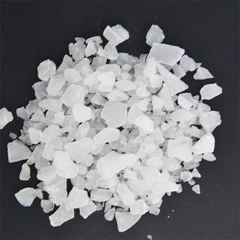
We also offer different grades of aluminium sulphate that might be suitable for glass production. For example, our Reagent Grade Aluminum Sulphate is known for its high purity, which is great if you need a very clean and consistent additive for your glass. And if you prefer a different form, our Iron Free Aluminum Sulphate Flakes are easy to handle and dissolve in the glass - making mixture.
In addition to its use as a fining agent, Aluminium Sulphate 17 can also be used in the treatment of waste glass. Recycling glass is an important part of the glass industry, and aluminium sulphate can help in the process. It can be used to separate impurities from the recycled glass, making it suitable for reuse in new glass production.
When it comes to the environmental aspect, using Aluminium Sulphate 17 in glass production can be a good choice. Since it helps improve the quality of the glass, it can reduce the amount of waste generated during the manufacturing process. This means less energy and resources are wasted, making the whole production more sustainable.
So, if you're in the glass - making business, you might want to consider giving Aluminium Sulphate 17 a try. It has the potential to enhance the quality of your glass products, improve the manufacturing process, and even contribute to a more sustainable operation.
If you're interested in learning more about how Aluminium Sulphate 17 can fit into your glass production process, or if you have any questions about our products, don't hesitate to reach out. We're here to help you make the best choice for your business. Whether you need a small sample to test or a large - scale supply, we've got you covered.


In conclusion, Aluminium Sulphate 17 can definitely be used in glass production. It offers several benefits, from improving the clarity of the glass to enhancing its durability and contributing to a more sustainable manufacturing process. So, why not explore this option and see how it can work for you?
References
- General knowledge of glass production processes
- Chemical properties of aluminium sulphate
Send Inquiry