


How to store industrial aluminum sulphate properly?
May 28, 2025
Leave a message
Hey there! As a supplier of industrial aluminum sulphate, I've seen firsthand the importance of proper storage. Industrial aluminum sulphate is a widely used chemical in various industries, such as water treatment, paper manufacturing, and textile dyeing. But if it's not stored correctly, it can lead to a whole bunch of problems. So, in this blog, I'm gonna share some tips on how to store industrial aluminum sulphate properly.
Understanding Industrial Aluminum Sulphate
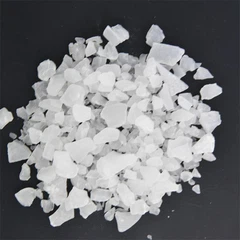
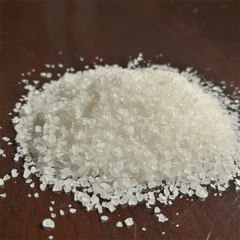
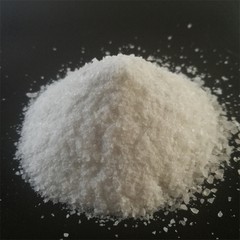
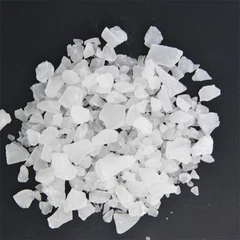
Before we dive into the storage tips, let's quickly go over what industrial aluminum sulphate is. It's a chemical compound with the formula Al₂(SO₄)₃. You can find it in different forms, like Industrial Aluminum Sulphate, Ferric Aluminium Sulphate, and Granular Aluminum Sulfate. Each form has its own characteristics, but they all need proper storage to maintain their quality.
Choose the Right Storage Location
The first step in proper storage is picking the right spot. You want to find a dry, cool, and well - ventilated area. Aluminum sulphate is hygroscopic, which means it can absorb moisture from the air. If it gets too wet, it can clump together, and its chemical properties might change. A humidity - controlled warehouse is ideal. You don't want the area to be near any sources of heat, like boilers or direct sunlight, because heat can also affect the stability of the compound.
Also, make sure the storage area is away from any incompatible substances. Industrial aluminum sulphate can react with alkalis, so keep it far from things like sodium hydroxide or potassium hydroxide. If there's a spill or a leak, you don't want these chemicals to mix and cause a dangerous reaction.
Use Appropriate Containers
The containers you use for storing industrial aluminum sulphate are crucial. They should be made of materials that are resistant to corrosion. For smaller quantities, plastic drums or bags with a good liner can work well. The liner should be made of a material that won't react with the aluminum sulphate.
For larger storage, stainless - steel tanks or concrete silos can be used. But if you're using concrete silos, make sure they're properly coated to prevent any reaction between the aluminum sulphate and the concrete. The containers should also have tight - fitting lids or covers to keep out moisture and contaminants.
Handling During Storage
When you're moving the industrial aluminum sulphate into storage or taking it out, be gentle. Rough handling can cause the containers to break or damage, leading to spills. Use proper lifting equipment, like forklifts or pallet jacks, and make sure the operators are trained.
Also, keep an eye on the stacking. Don't stack the containers too high, or they might topple over. Make sure the bottom layer can support the weight of the layers above. And if you're using pallets, make sure they're in good condition.
Monitoring and Inspection
Regular monitoring and inspection of the stored industrial aluminum sulphate are a must. Check the containers for any signs of damage, like cracks or leaks. If you notice any issues, take action immediately. You might need to transfer the product to a new container or repair the damaged one.
Keep track of the temperature and humidity in the storage area. You can use a hygrometer and a thermometer to do this. If the conditions are outside the recommended range, take steps to adjust them. For example, if it's too humid, you can use a dehumidifier.
Safety Precautions
Safety should always be a top priority when storing industrial aluminum sulphate. Wear appropriate personal protective equipment (PPE), like gloves and goggles, when handling the product. In case of a spill, have a spill - response plan in place. This should include the use of absorbent materials to clean up the spill and proper disposal of the contaminated materials.
Make sure there are fire - fighting equipment and first - aid kits in the storage area. Although industrial aluminum sulphate is not highly flammable, it's better to be prepared for any emergencies.


Inventory Management
Proper inventory management is also important for storing industrial aluminum sulphate. Keep track of the quantity, batch number, and expiration date (if applicable) of the product. Use the first - in, first - out (FIFO) method. This means using the oldest stock first to prevent any product from sitting in storage for too long.
Training Your Staff
All the people involved in the storage and handling of industrial aluminum sulphate should be properly trained. They need to know about the properties of the product, the correct storage procedures, and the safety precautions. Regular training sessions can help keep everyone up - to - date on the best practices.
Conclusion
Storing industrial aluminum sulphate properly is essential to maintain its quality and ensure safety. By choosing the right storage location, using appropriate containers, handling the product carefully, monitoring the conditions, taking safety precautions, managing the inventory, and training your staff, you can avoid a lot of potential problems.
If you're in the market for high - quality industrial aluminum sulphate, we're here to help. Whether you need Industrial Aluminum Sulphate, Ferric Aluminium Sulphate, or Granular Aluminum Sulfate, we've got you covered. Feel free to reach out to us to discuss your specific needs and start a procurement conversation.
References
- "Handbook of Chemical Hazard Analysis Procedures". National Institute for Occupational Safety and Health.
- "Storage and Handling of Industrial Chemicals". American Chemistry Council.
Send Inquiry