

What are the side - effects of using aluminium sulfate in drinking water treatment?
May 28, 2025
Leave a message
Aluminium sulfate, a commonly used coagulant in drinking water treatment, plays a crucial role in purifying water by removing suspended particles, organic matter, and certain pathogens. As a supplier of aluminium sulfate for water treatment, I understand the importance of this chemical in ensuring safe and clean drinking water. However, it is also essential to be aware of its potential side - effects.
Chemical Reactions and Primary Function in Water Treatment
In water treatment plants, aluminium sulfate (Al₂(SO₄)₃) reacts with the natural alkalinity in water to form aluminium hydroxide (Al(OH)₃) flocs. These flocs are effective in attracting and trapping suspended solids, colloids, and microorganisms. The general chemical reaction can be represented as follows:
Al₂(SO₄)₃ + 6HCO₃⁻ → 2Al(OH)₃(s) + 6CO₂ + 3SO₄²⁻
The formed aluminium hydroxide flocs settle to the bottom of the water tank or can be filtered out, thus clarifying the water. This process is known as coagulation and flocculation, and it significantly improves the water's turbidity and reduces the presence of harmful substances.
Potential Side - Effects
1. Aluminium Residues in Treated Water
One of the most significant concerns regarding the use of aluminium sulfate in water treatment is the presence of residual aluminium in the treated water. Aluminium is a naturally occurring element, but excessive intake can have adverse health effects. When aluminium sulfate is added to water, not all of the aluminium is removed during the treatment process. Some of it remains dissolved in the water or as fine particles.


The World Health Organization (WHO) has set a guideline value for aluminium in drinking water of 0.2 mg/L. However, in some water treatment plants, the residual aluminium levels can exceed this limit, especially if the dosage of aluminium sulfate is not carefully controlled or if the treatment process is not optimized. High levels of aluminium in drinking water have been associated with several health problems, including neurological disorders such as Alzheimer's disease. Although the link between aluminium in water and Alzheimer's is still debated, some studies have shown a correlation between long - term exposure to high aluminium levels and an increased risk of developing the disease.
2. Impact on Water Chemistry
The addition of aluminium sulfate can also affect the chemical properties of water. When aluminium sulfate reacts with alkalinity in water, it consumes bicarbonate ions (HCO₃⁻), which are an important part of the water's buffer system. This can lead to a decrease in the water's pH and alkalinity. A lower pH can make the water more corrosive, which may cause damage to pipes and plumbing systems. Corrosive water can leach metals such as lead and copper from pipes, posing additional health risks.
Moreover, the change in water chemistry can also affect the growth of aquatic organisms if the treated water is discharged into natural water bodies. The altered pH and aluminium levels can be toxic to fish, invertebrates, and other aquatic life, disrupting the ecological balance of the water ecosystem.
3. Sludge Disposal
The use of aluminium sulfate in water treatment generates a significant amount of sludge. The sludge mainly consists of aluminium hydroxide flocs along with the trapped suspended solids and other impurities. Disposing of this sludge can be a challenging and costly process.
If the sludge is not properly managed, it can contaminate soil and groundwater. Aluminium in the sludge can leach into the soil, affecting soil fertility and potentially entering the groundwater. The high aluminium content in groundwater can then pose a risk to human health if the groundwater is used as a drinking water source. Additionally, the disposal of large volumes of sludge requires appropriate facilities and land, which can be a burden on water treatment plants.
Mitigation Strategies
1. Optimizing Dosage
To reduce the amount of residual aluminium in treated water, water treatment plants should optimize the dosage of aluminium sulfate. This can be achieved through regular water quality monitoring and the use of advanced treatment process control systems. By accurately measuring the water's turbidity, alkalinity, and other parameters, operators can determine the appropriate amount of aluminium sulfate to add. This not only ensures effective water treatment but also minimizes the risk of excessive aluminium residues.
2. pH Adjustment
To counteract the decrease in pH and alkalinity caused by the addition of aluminium sulfate, water treatment plants can adjust the pH of the water. This can be done by adding chemicals such as lime (Ca(OH)₂) or sodium carbonate (Na₂CO₃). By maintaining the water's pH within a suitable range, the corrosivity of the water can be reduced, and the impact on pipes and plumbing systems can be minimized.
3. Proper Sludge Management
Proper sludge management is essential to prevent environmental contamination. Water treatment plants can consider various options for sludge disposal, such as landfilling, incineration, or reuse. Before disposal, the sludge can be dewatered to reduce its volume. In some cases, the sludge can be reused in industries such as brick - making or soil stabilization, which can reduce the environmental impact and the cost of disposal.
Our Products and Their Advantages
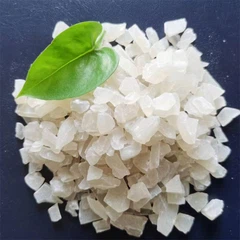
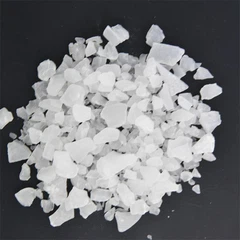
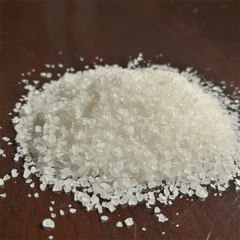
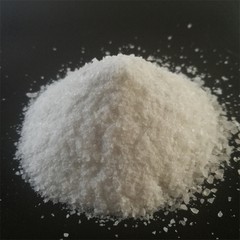
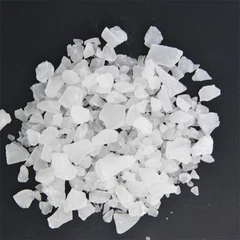
As a supplier of aluminium sulfate for water treatment, we offer high - quality products such as Aluminum Sulphate Lump and Aluminium Sulphate Octadecahydrate. Our products are manufactured with strict quality control measures to ensure their effectiveness in water treatment.
Our Aluminium Sulfate Water Treatment products are formulated to minimize the side - effects. We have developed advanced manufacturing processes that reduce the impurities in the aluminium sulfate, which helps to lower the potential for residual aluminium in treated water. Additionally, our technical support team can provide guidance on the proper dosage and use of our products to optimize the water treatment process and reduce the associated risks.
Conclusion
While aluminium sulfate is an effective coagulant in drinking water treatment, it is important to be aware of its potential side - effects. Residual aluminium in treated water, changes in water chemistry, and sludge disposal are the main concerns. However, through proper dosage optimization, pH adjustment, and sludge management, these side - effects can be mitigated.
As a reliable supplier of aluminium sulfate for water treatment, we are committed to providing high - quality products and professional technical support. If you are interested in our products or have any questions about water treatment using aluminium sulfate, we encourage you to contact us for further discussion and potential procurement.
References
- World Health Organization. Guidelines for Drinking - Water Quality. Fourth Edition.
- USEPA. National Primary Drinking Water Regulations.
- Various scientific research papers on aluminium in drinking water and its health effects.
Send Inquiry