

How to test the quality of aluminum sulphate lump?
Dec 26, 2025
Leave a message
Hey there! I'm an aluminum sulphate lump supplier, and I know how crucial it is to ensure the quality of our products. In this blog, I'll share some practical ways to test the quality of aluminum sulphate lump.
Physical Appearance Inspection
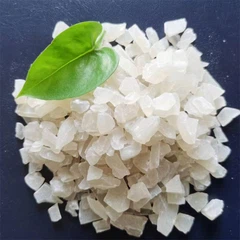
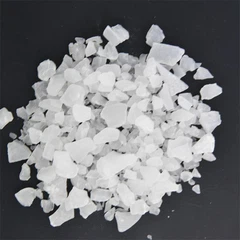
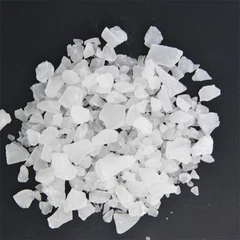
First off, let's start with the physical appearance. Take a close look at the aluminum sulphate lump. It should have a uniform color and texture. Any signs of discoloration, like dark spots or an uneven hue, could indicate impurities or improper production processes. For example, if you see a yellowish tint instead of the typical white or off - white color, it might mean there are some iron or other metal contaminants.
The shape and size of the lumps also matter. They should be relatively consistent. Irregularly shaped lumps or a wide range of sizes could suggest problems during the crystallization or solidification process. Good - quality aluminum sulphate lumps are usually well - formed and have a smooth surface. If the lumps are too small or too large compared to the standard specifications, it could affect their solubility and performance in various applications.
Solubility Test
One of the key properties of aluminum sulphate lump is its solubility. To test this, take a small amount of the lump, say about 10 grams, and add it to 100 milliliters of distilled water at room temperature. Stir the mixture gently for a few minutes. A high - quality aluminum sulphate lump should dissolve relatively quickly, leaving behind little to no residue.
If there's a significant amount of undissolved material at the bottom of the container, it could be a sign of impurities such as insoluble salts or other solid particles. You can let the solution sit for a while and observe if any sediment forms. If it does, it's a red flag that the quality of the aluminum sulphate lump might not be up to par.
Chemical Composition Analysis
Now, for a more in - depth quality check, we need to look at the chemical composition. The most important component is, of course, aluminum sulphate itself. You can use analytical methods like atomic absorption spectroscopy (AAS) or inductively coupled plasma - mass spectrometry (ICP - MS) to determine the exact amount of aluminum and sulphate in the lump.
The purity of aluminum sulphate is usually expressed as a percentage. High - quality aluminum sulphate lumps typically have a purity of over 98%. Any deviation from this standard could indicate problems. For example, if the aluminum content is lower than expected, it might mean that there are other substances diluting the product.
We also need to check for the presence of impurities. Common impurities in aluminum sulphate include iron, heavy metals like lead and mercury, and other anions such as chloride and nitrate. These impurities can have a negative impact on the performance of aluminum sulphate in different applications. For instance, iron impurities can cause discoloration in water treatment processes.
pH Value Measurement
The pH value of an aluminum sulphate solution is another important indicator of its quality. Dissolve a certain amount of the lump in water to make a solution of a known concentration, usually around 10%. Then, use a pH meter to measure the pH of the solution.
The pH of a 10% aluminum sulphate solution should typically be in the range of 2 - 3. If the pH is outside this range, it could suggest that there are some chemical imbalances in the product. A higher pH might indicate the presence of alkaline impurities, while a lower pH could mean an excess of acidic substances.
Particle Size Distribution (if applicable)
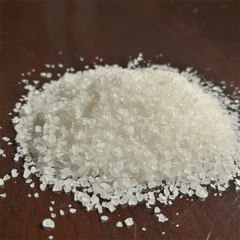
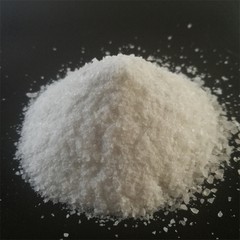
In some cases, especially when the aluminum sulphate lump is further processed into a powder, the particle size distribution becomes important. You can use a sieve analysis to determine the particle size distribution. Pass a sample of the crushed aluminum sulphate through a series of sieves with different mesh sizes.


Count the amount of material retained on each sieve. A well - controlled particle size distribution ensures consistent performance in applications. For example, in water treatment, a proper particle size can improve the flocculation efficiency.
Comparison with Standards
It's always a good idea to compare the test results with industry standards or the specifications provided by the customer. Different applications may have different requirements for the quality of aluminum sulphate lump. For example, in the paper industry, the product might need to have a very low iron content to avoid discoloration of the paper.
If you're supplying aluminum sulphate lump for water treatment, it should meet the relevant drinking water or wastewater treatment standards. By comparing your test results with these standards, you can quickly identify any areas where the product might fall short.
Importance of Quality Testing
As a supplier, I understand that quality testing is not just about meeting the requirements; it's also about building trust with our customers. High - quality aluminum sulphate lump ensures better performance in various applications, whether it's water treatment, paper manufacturing, or textile dyeing.
In water treatment, good - quality aluminum sulphate can effectively remove impurities and suspended solids, improving the clarity and safety of the water. In the paper industry, it helps in sizing and retention, resulting in better - quality paper products.
Conclusion
Testing the quality of aluminum sulphate lump is a multi - step process that involves physical, chemical, and performance - related checks. By carefully examining the physical appearance, solubility, chemical composition, pH value, and other factors, we can ensure that the product meets the highest standards.
If you're in the market for high - quality aluminum sulphate lump, we've got you covered. We offer a range of products, including Aluminum Sulfate Iron Free Grade Fine Powder Type 0 - 1mm, Aluminum Sulphate Lump, and Aluminium Sulphate Octadecahydrate.
If you're interested in our products or have any questions about the quality testing process, feel free to reach out to us for a procurement discussion. We're always happy to help you find the best aluminum sulphate solution for your needs.
References
- "Handbook of Analytical Chemistry"
- Industry standards for aluminum sulphate in water treatment
- Technical specifications for aluminum sulphate in paper manufacturing
Send Inquiry