

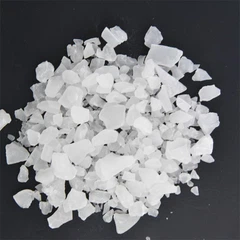
What are the health risks associated with exposure to aluminum sulphate powder?
Dec 26, 2025
Leave a message
Exposure to aluminum sulphate powder can pose several health risks, which is a crucial topic for us as an aluminum sulphate powder supplier. Understanding these risks not only helps us ensure the safety of our employees but also allows us to provide better guidance to our customers.
Inhalation Risks
One of the primary ways people can be exposed to aluminum sulphate powder is through inhalation, especially in industrial settings where the powder is handled, processed, or transported. When aluminum sulphate powder is airborne, it can be breathed in, leading to various respiratory problems.
In the short - term, inhalation of aluminum sulphate powder can cause irritation to the nose, throat, and lungs. Workers may experience symptoms such as coughing, sneezing, and shortness of breath. These acute effects can be uncomfortable and may even disrupt normal work processes. Prolonged or repeated inhalation of the powder can lead to more severe problems. Some studies suggest that long - term inhalation of aluminum compounds can contribute to the development of pulmonary fibrosis, a condition characterized by the scarring of lung tissue. As lung tissue becomes scarred, it loses its elasticity and ability to function properly, leading to reduced lung capacity and potentially life - threatening breathing difficulties.
Skin and Eye Contact Risks
Aluminum sulphate powder can also cause problems when it comes into contact with the skin and eyes. Skin contact with the powder can lead to irritation, redness, and itching. In more severe cases, it can cause chemical burns, especially if the powder is left on the skin for an extended period or if the skin is already damaged or sensitive.
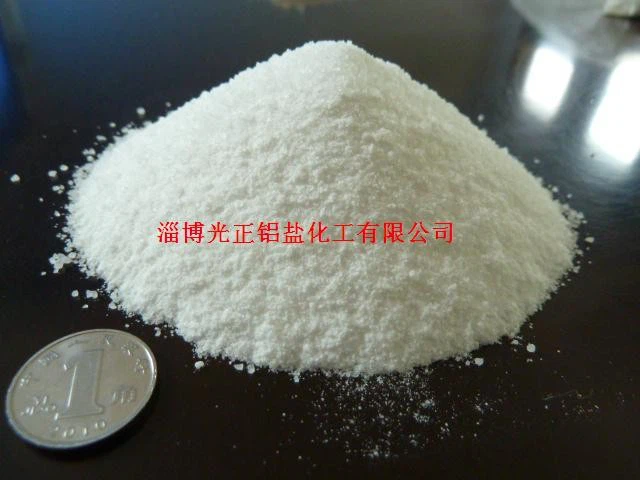

Eye exposure to aluminum sulphate powder is particularly dangerous. The powder can cause immediate pain, redness, and swelling of the eyes. It may also lead to corneal abrasions, which can be very painful and can potentially cause long - term damage to vision if not treated promptly. Even minor eye irritation can disrupt daily activities and may require medical attention.
Ingestion Risks
Although it is less common, ingestion of aluminum sulphate powder can have serious health consequences. If swallowed, aluminum sulphate can react with the acidic environment in the stomach, producing harmful by - products. Ingestion can cause symptoms such as nausea, vomiting, abdominal pain, and diarrhea. In more severe cases, it can lead to damage to the digestive system, including ulceration and bleeding in the stomach and intestines.
Long - term low - level ingestion of aluminum compounds, including aluminum sulphate, has also been a subject of concern. Some research has suggested a possible link between aluminum exposure and neurological disorders such as Alzheimer's disease. While the evidence is not conclusive, it highlights the need for caution when handling substances containing aluminum.
Occupational Risks
For workers in industries that use aluminum sulphate powder, such as water treatment plants, paper manufacturing, and textile industries, the risk of exposure is relatively high. Despite the implementation of safety measures, accidents can still occur, leading to powder leaks or spills that increase the likelihood of exposure.
Employers in these industries have a responsibility to provide proper personal protective equipment (PPE) such as masks, gloves, and goggles to their workers. Regular safety training should also be provided to ensure that workers are aware of the risks associated with aluminum sulphate powder and know how to handle it safely. Additionally, workplace ventilation systems should be in place to reduce the concentration of airborne powder.
Mitigating the Risks
As a supplier of aluminum sulphate powder, we are committed to ensuring the safe use of our products. We provide detailed safety data sheets (SDS) to all our customers, which include information on the potential health risks, safety precautions, and emergency response procedures.
When handling our Aluminium Sulphate Octadecahydrate or Industrial Aluminum Sulphate, we recommend that our customers follow strict safety protocols. These include storing the powder in a cool, dry, and well - ventilated area, using appropriate PPE when handling the powder, and avoiding any activities that may generate dust.
In addition, we encourage the use of proper equipment for handling and processing the powder to minimize the risk of spills and leaks. Our Aluminum Sulfate Powder Factory adheres to high - quality production standards to ensure that the powder is produced and packaged in a way that reduces the risk of exposure during transportation and storage.
Conclusion
In conclusion, while aluminum sulphate powder has many industrial applications, it is important to be aware of the potential health risks associated with its exposure. By understanding these risks and taking appropriate safety measures, both employers and employees can minimize the chances of adverse health effects.
As a reliable supplier of aluminum sulphate powder, we are dedicated to providing high - quality products and comprehensive safety information. If you are interested in purchasing our aluminum sulphate powder, please feel free to contact us for more details and to discuss your specific requirements. We look forward to the opportunity to establish a long - term business relationship with you.
References
- Agency for Toxic Substances and Disease Registry (ATSDR). "Toxicological Profile for Aluminum." U.S. Department of Health and Human Services, Public Health Service, 1999.
- European Chemicals Agency (ECHA). "Aluminium sulfate - Substance Information." ECHA, 2023.
- World Health Organization (WHO). "Environmental Health Criteria: Aluminium." WHO, 1997.
Send Inquiry