

How to transport 17% aluminum sulphate powder safely?
May 29, 2025
Leave a message
As a supplier of 17% aluminum sulphate powder, ensuring the safe transportation of this product is of utmost importance. Aluminum sulphate is widely used in various industries, such as water treatment, paper manufacturing, and textile dyeing. In this blog, I will share some key points on how to transport 17% aluminum sulphate powder safely.
Understanding the Properties of 17% Aluminum Sulphate Powder
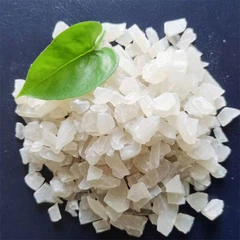
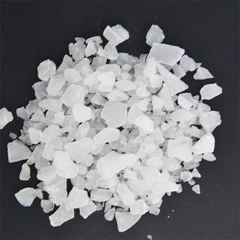
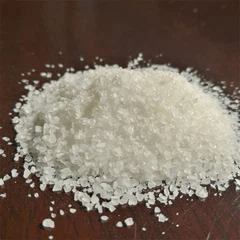
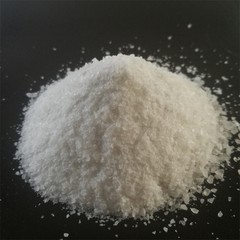
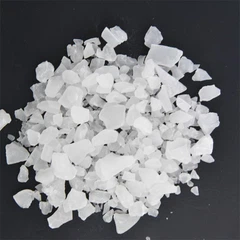
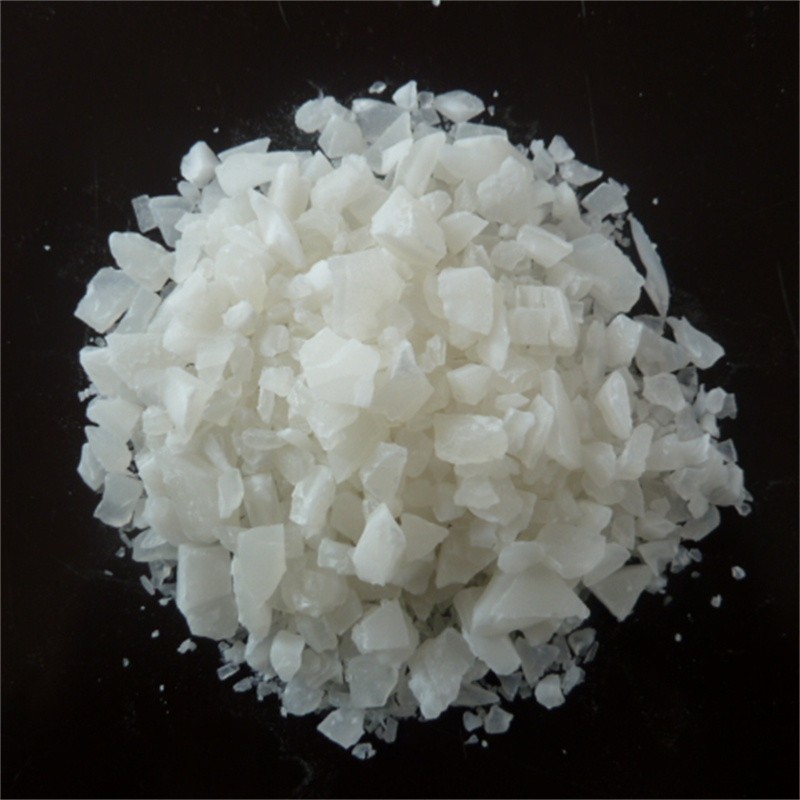
Before delving into the transportation process, it is essential to understand the properties of 17% aluminum sulphate powder. Aluminum sulphate, with the chemical formula Al₂(SO₄)₃, is a white crystalline powder. The 17% refers to the concentration of the active ingredient in the powder. This powder is soluble in water and can react with alkalis. It is also slightly hygroscopic, meaning it can absorb moisture from the air.
Packaging for Safe Transportation
Proper packaging is the first line of defense in ensuring the safe transportation of 17% aluminum sulphate powder. The packaging should be able to protect the product from moisture, physical damage, and contamination.

-
Material Selection: High - density polyethylene (HDPE) bags are commonly used for packaging aluminum sulphate powder. HDPE has good chemical resistance and can prevent the powder from leaking. These bags are often lined with a polyethylene film to provide an extra layer of protection against moisture.
-
Bag Design: The bags should have a strong seal to prevent any spillage during handling and transportation. Valve - type bags are a good option as they can be easily filled and sealed, reducing the risk of dust emission.
-
Outer Packaging: For additional protection, the HDPE bags can be placed in cardboard boxes or fiber drums. This outer packaging provides physical protection against impacts and can also help in stacking the products neatly during transportation.
Labeling and Documentation
Clear labeling and accurate documentation are crucial for the safe transportation of 17% aluminum sulphate powder.
- Labeling: Each package should be labeled with the product name, concentration (17% aluminum sulphate), hazard warnings, and handling instructions. Hazard warnings should include information about the potential risks, such as irritation to the skin, eyes, and respiratory system. Handling instructions should provide guidance on how to safely load, unload, and store the product.
- Documentation: The shipping documents should include a detailed description of the product, its quantity, and the origin and destination of the shipment. Safety data sheets (SDS) should also be provided. The SDS contains comprehensive information about the product's properties, hazards, first - aid measures, and handling and storage requirements.
Handling during Loading and Unloading
Proper handling during loading and unloading is essential to prevent accidents and ensure the safety of the product.
-
Equipment: Use appropriate handling equipment, such as forklifts or pallet jacks, to move the packages. Ensure that the equipment is in good working condition and that the operators are trained to use it safely.
-
Avoiding Dust Generation: When loading and unloading the powder, take measures to minimize dust generation. This can be achieved by using dust - suppression systems or by wetting the area around the packages slightly. Workers should wear appropriate personal protective equipment (PPE), including dust masks, goggles, and gloves.
-
Stacking: Stack the packages in a stable manner to prevent them from toppling over during transportation. Follow the recommended stacking height to avoid excessive pressure on the lower packages.
Transportation Modes
The choice of transportation mode depends on various factors, such as the distance, quantity, and urgency of the shipment.
- Road Transportation: Trucks are a common mode of transportation for aluminum sulphate powder. When using trucks, ensure that the vehicle is clean and dry before loading the product. The truck should also be equipped with proper securing devices to prevent the packages from shifting during transit.
- Rail Transportation: For long - distance shipments, rail transportation can be a cost - effective option. Railcars should be inspected for any signs of damage or contamination before loading. Similar to trucks, the packages should be secured properly inside the railcar.
- Maritime Transportation: If the product needs to be transported overseas, maritime transportation is an option. Shipping containers should be sealed and protected from the elements. Special attention should be paid to the ventilation of the containers to prevent the build - up of moisture.
Storage during Transit
During transit, the 17% aluminum sulphate powder should be stored in a suitable environment to maintain its quality.
- Temperature and Humidity: The storage area should be kept at a stable temperature and low humidity. High humidity can cause the powder to clump together, which can affect its solubility and performance.
- Ventilation: Adequate ventilation is necessary to prevent the build - up of dust and fumes. This is especially important in enclosed spaces such as shipping containers or warehouses.
Emergency Preparedness
Despite all the precautions, emergencies can still occur during transportation. It is important to be prepared for such situations.
- Spill Response: Have a spill response plan in place. In case of a spill, the area should be immediately cordoned off to prevent unauthorized access. Workers should wear appropriate PPE and use absorbent materials to clean up the spill. The spilled powder should be disposed of in accordance with local regulations.
- First - Aid Measures: Provide first - aid training to all workers involved in the transportation process. In case of exposure to the powder, the affected person should be immediately washed with plenty of water and seek medical attention if necessary.
Regulatory Compliance
When transporting 17% aluminum sulphate powder, it is essential to comply with all relevant regulations. These regulations may vary depending on the country and region of transportation.
- International Regulations: For international shipments, regulations such as the International Maritime Dangerous Goods (IMDG) Code and the United Nations Recommendations on the Transport of Dangerous Goods should be followed.
- Domestic Regulations: Each country has its own set of regulations regarding the transportation of chemicals. These regulations cover aspects such as packaging, labeling, documentation, and safety requirements.
In addition to the 17% aluminum sulphate powder, we also offer other related products such as Non Iron Aluminum Sulphate, 16% Aluminum Sulphate, and Iron Free Aluminum Sulphate Granules. These products have their own unique properties and applications, and we can provide you with more detailed information upon request.
If you are interested in purchasing 17% aluminum sulphate powder or any of our other products, please feel free to contact us for a purchase negotiation. We are committed to providing high - quality products and excellent service to our customers.
References
- "Transportation of Chemicals: Best Practices and Regulations" - Chemical Safety Board
- "Handbook of Aluminum Sulphate: Properties, Production, and Applications" - Chemical Industry Press
Send Inquiry