


How to transport battery grade aluminium sulfate safely?
Nov 12, 2025
Leave a message
Hey there! I'm a supplier of Battery Grade Aluminium Sulfate, and I know that transporting this stuff safely is super important. In this blog, I'll share some tips and tricks on how to do just that.
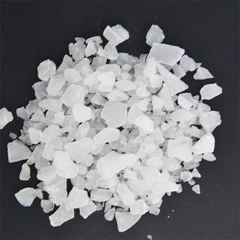
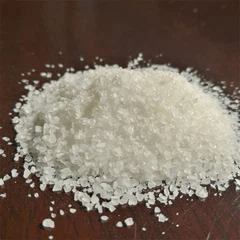
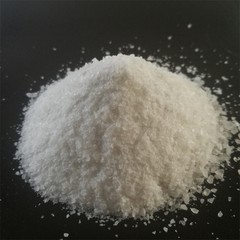
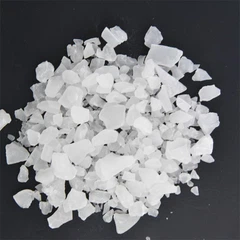
First off, let's talk a bit about what Battery Grade Aluminium Sulfate is. It's a key component in battery production, and it's used to improve the performance and lifespan of batteries. But because it's a chemical substance, it needs to be handled with care during transportation.
Understanding the Risks
Before we get into the transportation methods, it's crucial to understand the potential risks associated with Battery Grade Aluminium Sulfate. This chemical can be harmful if it comes into contact with skin, eyes, or if it's inhaled. It can also be corrosive to metals and other materials. So, we need to take all the necessary precautions to prevent any accidents.
Packaging is Key
One of the first steps in safe transportation is proper packaging. The Battery Grade Aluminium Sulfate should be stored in high - quality, sealed containers. These containers need to be made of materials that are resistant to corrosion. For example, plastic drums or lined steel containers can work well.
The containers should also be clearly labeled. The label should include information such as the name of the product (Battery Grade Aluminium Sulfate), its chemical properties, and any safety warnings. This way, everyone handling the product knows what they're dealing with. You can find more details about Battery Grade Aluminium Sulfate on our website Battery Grade Aluminium Sulfate.
Choosing the Right Transport Mode
There are several ways to transport Battery Grade Aluminium Sulfate, including road, rail, and sea. Each mode has its own pros and cons.
Road Transport
Road transport is often the most flexible option. It allows for direct delivery to the destination, and it can be quicker for short - distance shipments. However, you need to make sure that the trucks are equipped with the right safety features. The trucks should have proper securing systems to prevent the containers from moving around during transit. Also, the drivers should be trained in handling hazardous materials.
Rail Transport
Rail transport is great for large - scale shipments over long distances. Trains can carry a large volume of products at once, which can be cost - effective. But, just like with road transport, the containers need to be properly secured. And the railway companies usually have strict safety regulations that need to be followed.
Sea Transport
Sea transport is commonly used for international shipments. When shipping by sea, the containers are usually loaded onto large cargo ships. The containers need to be stowed in a way that they won't be damaged by the movement of the ship. And the shipping company should have procedures in place to handle any emergencies that might arise during the journey.
Safety Procedures During Loading and Unloading
Loading and unloading are critical stages in the transportation process. During loading, the containers should be carefully placed on the transport vehicle. Workers should use appropriate lifting equipment to avoid any spills or accidents. They should also wear personal protective equipment (PPE), such as gloves and goggles, to protect themselves from the chemical.
Unloading should be done in a similar manner. The containers should be unloaded in a safe area, away from any sources of ignition or other hazardous materials. After unloading, the containers should be inspected for any signs of damage. If there are any issues, they need to be addressed immediately.
Emergency Preparedness
Even with all the precautions in place, emergencies can still happen. That's why it's important to have an emergency plan. The plan should include procedures for dealing with spills, leaks, or any other incidents. Workers should be trained on how to respond to these emergencies.
For example, in case of a spill, there should be spill - containment materials available, such as absorbent pads. The area should be cordoned off to prevent unauthorized access. And if anyone is exposed to the chemical, there should be first - aid procedures in place.

Documentation
Proper documentation is essential for the safe transportation of Battery Grade Aluminium Sulfate. You need to have a Material Safety Data Sheet (MSDS) for the product. The MSDS provides detailed information about the chemical's properties, hazards, and safety measures. It should be available to all the parties involved in the transportation, including the transport company, the drivers, and the receiving party.
In addition to the MSDS, there may be other documents required depending on the transport mode and the destination. For example, for international shipments, there may be customs documents and export/import permits.
Training and Education
All the people involved in the transportation of Battery Grade Aluminium Sulfate should receive proper training. This includes the drivers, the loading and unloading workers, and anyone else who may come into contact with the product.
The training should cover topics such as the chemical properties of Battery Grade Aluminium Sulfate, the proper handling procedures, and the emergency response plans. By ensuring that everyone is well - trained, we can reduce the risk of accidents and ensure the safe transportation of the product.
Conclusion
Transporting Battery Grade Aluminium Sulfate safely is a multi - step process that involves proper packaging, choosing the right transport mode, following safety procedures during loading and unloading, being prepared for emergencies, having the right documentation, and providing training to the workers.
If you're in the market for high - quality Battery Grade Aluminium Sulfate and want to discuss the best transportation options for your needs, don't hesitate to reach out. We're here to help you ensure that your battery production process runs smoothly with our top - notch product and safe transportation solutions.
References
- General knowledge about chemical transportation safety.
- Industry standards for handling and transporting Battery Grade Aluminium Sulfate.
Send Inquiry