

What is the production process flow of aluminum sulphate flake?
Nov 12, 2025
Leave a message
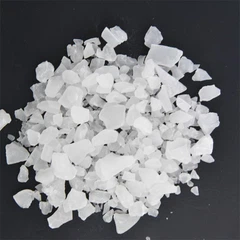
Hey there! As a supplier of aluminum sulphate flakes, I'm super excited to walk you through the production process flow of this nifty chemical. Aluminum sulphate flakes are used in a bunch of industries, like water treatment, paper manufacturing, and even in the textile industry. So, let's dive right in!
Step 1: Raw Material Preparation
The first thing we gotta do is gather our raw materials. The main ingredients for making aluminum sulphate flakes are aluminum hydroxide and sulfuric acid. Aluminum hydroxide is like the building block for the aluminum part of the compound, and sulfuric acid provides the sulfate ions.
We source high - quality aluminum hydroxide from reliable suppliers. It's important to get the right grade because it affects the quality of the final product. The sulfuric acid also needs to be of a good concentration. We usually go for sulfuric acid with a concentration that's just right for the reaction to happen smoothly.
Step 2: Reaction
Once we have our raw materials ready, it's time for the chemical reaction. We mix the aluminum hydroxide and sulfuric acid in a large reaction vessel. This vessel is usually made of a material that can withstand the corrosive nature of sulfuric acid, like stainless steel.
The reaction between aluminum hydroxide and sulfuric acid is an exothermic reaction, which means it releases heat. That's why we have to be careful and control the temperature. If the temperature gets too high, it can cause problems with the reaction and even damage the equipment.
The chemical equation for this reaction is:
2Al(OH)₃ + 3H₂SO₄ → Al₂(SO₄)₃ + 6H₂O
This shows that when we mix two moles of aluminum hydroxide with three moles of sulfuric acid, we get one mole of aluminum sulphate and six moles of water.
Step 3: Filtration
After the reaction is complete, the mixture contains some impurities. These impurities could be unreacted raw materials, solid particles, or other by - products. To get rid of these impurities, we use a filtration process.
We pass the reaction mixture through a filter, which separates the solid impurities from the liquid aluminum sulphate solution. This is an important step because the purity of the aluminum sulphate solution affects the quality of the final flakes.
Step 4: Concentration
The filtered aluminum sulphate solution is usually quite dilute at this point. To make it suitable for flake production, we need to concentrate it. We do this by evaporating some of the water from the solution.
There are different ways to do the evaporation. One common method is to use a vacuum evaporator. In a vacuum evaporator, the pressure is reduced, which lowers the boiling point of water. This allows us to evaporate the water at a lower temperature, which is better for the quality of the aluminum sulphate.
As the water evaporates, the concentration of aluminum sulphate in the solution increases. We keep an eye on the concentration until it reaches the desired level.
Step 5: Crystallization
Once the solution is concentrated enough, it's time for crystallization. We cool the concentrated aluminum sulphate solution slowly. As the temperature drops, the solubility of aluminum sulphate in water decreases, and the aluminum sulphate starts to form crystals.
The rate of cooling is crucial. If we cool the solution too quickly, the crystals will be small and may not have a good shape. If we cool it too slowly, the process will take a long time. We usually use a controlled cooling system to ensure that the crystallization process happens at the right rate.
Step 6: Separation of Crystals
After the crystallization is complete, we have a mixture of aluminum sulphate crystals and the remaining solution, which is called the mother liquor. We need to separate the crystals from the mother liquor.
We use a centrifuge for this purpose. A centrifuge spins the mixture at a high speed, and the centrifugal force separates the solid crystals from the liquid mother liquor. The separated crystals are then washed with a small amount of clean water to remove any remaining mother liquor on the surface.
Step 7: Drying
The separated aluminum sulphate crystals still contain some moisture. To make them into flakes, we need to dry them. We use a drying machine, which can be a hot - air dryer or a fluid - bed dryer.
In a hot - air dryer, hot air is blown over the crystals to evaporate the remaining moisture. In a fluid - bed dryer, the crystals are suspended in a stream of hot air, which provides better heat transfer and more uniform drying.
Step 8: Flaking
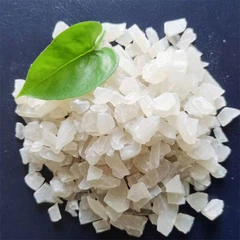
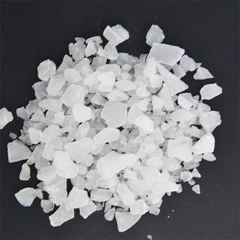
Once the crystals are dry, we turn them into flakes. We use a flaking machine for this. The dry aluminum sulphate crystals are fed into the flaking machine, which presses them into thin flakes.
The flaking process gives the aluminum sulphate a more convenient form for storage, transportation, and use. The flakes are easier to handle than powder or crystals.
Step 9: Packaging
Finally, the aluminum sulphate flakes are ready for packaging. We package them in different sizes of bags or containers, depending on the customer's requirements. The packaging is designed to protect the flakes from moisture and other environmental factors.
We offer different types of aluminum sulphate products, such as 15.8% Aluminum Sulphate, Industrial Aluminum Sulphate, and Ferric Aluminium Sulphate. Each product has its own specific uses and applications.
If you're in the market for high - quality aluminum sulphate flakes, we'd love to hear from you. Whether you're in the water treatment business, paper manufacturing, or any other industry that uses aluminum sulphate, we can provide you with the right product at a competitive price. Reach out to us for a quote and let's start a great business relationship!


References
- "Inorganic Chemical Technology" by authors who focus on industrial chemical processes.
- Various research papers on aluminum sulphate production from academic journals in the field of chemical engineering.
Send Inquiry