

Is 17% aluminum sulphate powder compatible with other water treatment agents?
Jan 19, 2026
Leave a message
Is 17% Aluminum Sulphate Powder Compatible with Other Water Treatment Agents?
As a reliable supplier of 17% aluminum sulphate powder, I am frequently asked about its compatibility with other water treatment agents. This is a crucial question, as the effectiveness of water treatment often depends on the proper combination of various chemicals. In this blog post, I will delve into the compatibility of 17% aluminum sulphate powder with other commonly used water treatment agents, providing insights based on scientific knowledge and practical experience.
Understanding 17% Aluminum Sulphate Powder
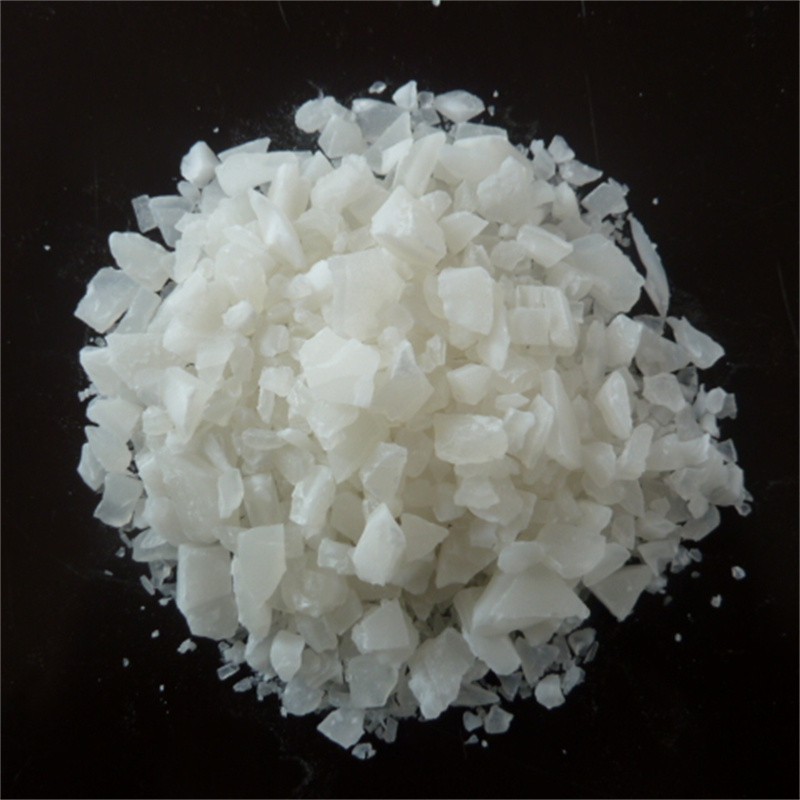
Before discussing compatibility, it's essential to understand what 17% aluminum sulphate powder is and its role in water treatment. Aluminum sulphate, also known as alum, is a widely used coagulant in water treatment processes. The 17% refers to the active ingredient content, which is an important parameter determining its performance. This powder is effective in removing suspended solids, turbidity, and some organic matter from water by causing the particles to clump together, making them easier to settle or filter out.
Compatibility with Other Coagulants
One of the most common scenarios in water treatment is the use of multiple coagulants. Iron-based coagulants, such as ferric chloride and ferrous sulfate, are often used in conjunction with aluminum sulphate. In general, 17% aluminum sulphate powder is compatible with iron-based coagulants. When used together, they can enhance the coagulation process. Aluminum sulphate can act as a primary coagulant, while iron-based coagulants can be used as secondary coagulants to further improve the flocculation and sedimentation of particles.
However, it's important to note that the dosage and order of addition need to be carefully controlled. If the dosage is too high or the order is incorrect, it may lead to the formation of unwanted precipitates or reduce the overall effectiveness of the coagulation process. Therefore, it's recommended to conduct small-scale tests before large-scale application to determine the optimal combination and dosage.
Compatibility with Flocculants
Flocculants are used to further aggregate the coagulated particles into larger, more easily settleable flocs. Polyacrylamide (PAM) is a commonly used flocculant in water treatment. 17% aluminum sulphate powder is generally compatible with PAM. The aluminum sulphate first coagulates the particles, and then the PAM helps to form larger and stronger flocs.
The key to successful combination is to ensure that the pH of the water is within the appropriate range for both the aluminum sulphate and the PAM. Aluminum sulphate works best at a pH range of 5.5 - 7.5, while PAM has different optimal pH ranges depending on its type (anionic, cationic, or non-ionic). Adjusting the pH properly can maximize the compatibility and effectiveness of the two agents.
Compatibility with Disinfectants
Disinfectants are used to kill or inactivate harmful microorganisms in water. Chlorine and its compounds, such as sodium hypochlorite, are widely used disinfectants. 17% aluminum sulphate powder is generally compatible with chlorine-based disinfectants. However, it's important to note that chlorine can react with some organic matter in the water, and the presence of aluminum sulphate may affect this reaction.
In some cases, the use of aluminum sulphate can reduce the amount of chlorine required for disinfection by removing some of the organic matter that would otherwise react with chlorine. On the other hand, high levels of chlorine may oxidize the aluminum in the aluminum sulphate, which could potentially affect its coagulation performance. Therefore, it's necessary to monitor the chlorine residual and the coagulation efficiency when using these two agents together.
Compatibility with pH Adjusters
pH adjustment is an important step in water treatment, as many water treatment agents have specific pH requirements for optimal performance. 17% aluminum sulphate powder is often used in combination with pH adjusters such as lime (calcium hydroxide) or sulfuric acid.

Lime is commonly used to increase the pH of the water to the optimal range for aluminum sulphate coagulation. When adding lime and aluminum sulphate, it's important to add them in the correct order and at the appropriate dosage. Adding lime first can help to increase the pH gradually, and then the aluminum sulphate can be added for coagulation. Sulfuric acid, on the other hand, can be used to lower the pH if it is too high.
Factors Affecting Compatibility
Several factors can affect the compatibility of 17% aluminum sulphate powder with other water treatment agents. These include the water quality, the dosage of the agents, the order of addition, and the temperature.
Water quality, such as the pH, alkalinity, and the presence of other contaminants, can significantly influence the performance of water treatment agents. For example, high levels of hardness or heavy metals in the water may affect the coagulation process and the compatibility of different agents.
The dosage of the agents is also crucial. Using too much or too little of a particular agent can lead to ineffective treatment or the formation of unwanted by-products. The order of addition can also affect the compatibility. For example, adding a flocculant before a coagulant may not allow the coagulation process to occur properly.
Temperature can also have an impact on the compatibility and performance of water treatment agents. In general, lower temperatures can slow down the coagulation and flocculation processes, while higher temperatures may increase the reactivity of some agents.
Conclusion
In conclusion, 17% aluminum sulphate powder is generally compatible with other commonly used water treatment agents, including coagulants, flocculants, disinfectants, and pH adjusters. However, careful consideration of various factors, such as water quality, dosage, order of addition, and temperature, is necessary to ensure optimal performance and compatibility.
If you are interested in our Iron Free Aluminum Sulphate Flakes, Iron Free Aluminum Sulphate Powder, or 16% Aluminum Sulphate, or if you have any questions about the compatibility of 17% aluminum sulphate powder with other water treatment agents, please feel free to contact us for further discussion and procurement negotiation. We are committed to providing high-quality products and professional technical support to meet your water treatment needs.
References
- AWWA (American Water Works Association). Water Treatment Plant Design. McGraw-Hill Professional, 2017.
- Crittenden, J. C., et al. Water Treatment: Principles and Design. John Wiley & Sons, 2012.
- Letterman, R. D. Water Quality and Treatment: A Handbook of Community Water Supplies. McGraw-Hill Professional, 2014.
Send Inquiry