

Is aluminium sulphate fertilizer suitable for acidic soils?
Nov 19, 2025
Leave a message
Hey there! As a supplier of aluminium sulphate fertilizer, I often get asked whether this type of fertilizer is suitable for acidic soils. Well, let's dive right into it and explore this topic in detail.
First off, let's understand a bit about acidic soils. Acidic soils, also known as sour soils, have a pH level below 7. This low pH can be caused by various factors such as heavy rainfall, which leaches away basic nutrients like calcium, magnesium, and potassium, leaving behind acidic elements. Some plants thrive in acidic soils, while others struggle. For example, blueberries, azaleas, and rhododendrons love acidic conditions, but crops like wheat and corn prefer more neutral to slightly alkaline soils.
Now, let's talk about aluminium sulphate fertilizer. Aluminium sulphate, when added to the soil, can have several effects. One of the main things it does is lower the soil pH. When aluminium sulphate dissolves in water, it releases aluminium ions and sulphate ions. The aluminium ions react with water molecules in the soil, producing hydrogen ions. An increase in hydrogen ions means a decrease in soil pH, making the soil more acidic.
So, is it suitable for acidic soils? Well, it depends. If your acidic soil isn't acidic enough for the plants you're growing, then aluminium sulphate can be a great option. For instance, if you're trying to grow blueberries and your soil has a pH of around 6, which is a bit too high for blueberries (they prefer a pH between 4.0 - 5.5), adding aluminium sulphate can help bring the pH down to the ideal range. You can find more information about using aluminium sulphate as a soil amendment on this page: Aluminum Sulfate Soil Amendment.
However, there are some potential drawbacks. Aluminium can be toxic to plants at high concentrations. In extremely acidic soils, adding more aluminium sulphate can increase the aluminium levels in the soil to a point where it becomes harmful to plant roots. This can lead to stunted growth, reduced nutrient uptake, and even plant death. So, it's crucial to test your soil before applying aluminium sulphate. You can use a simple soil testing kit available at most garden centers to determine the current pH and aluminium levels in your soil.
Another thing to consider is the long - term effects on soil health. While aluminium sulphate can quickly lower the soil pH, over - time, it can also disrupt the soil's natural nutrient balance. The sulphate ions can react with other nutrients in the soil, potentially causing them to become less available to plants. For example, it can react with calcium and magnesium, reducing their solubility and uptake by plants.
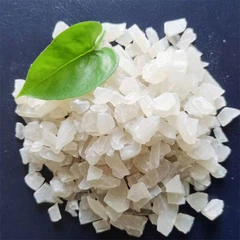
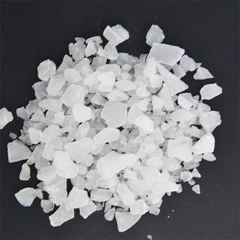
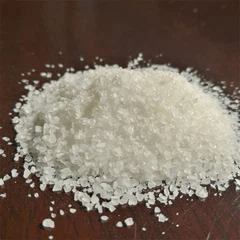
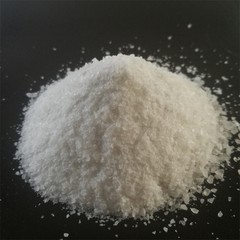
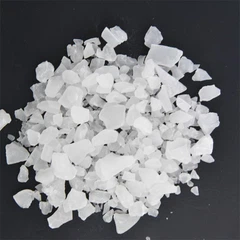
But don't worry! If used correctly, aluminium sulphate fertilizer can be a valuable tool. When applying it, it's important to follow the recommended application rates. Usually, it's best to start with a small amount and gradually increase it while monitoring the soil pH. You can find our high - quality Aluminium Sulphate Fertilizer that is formulated to be effective and safe for your soil.
Let's take a look at some real - world examples. I had a customer who was growing azaleas in his garden. His soil had a pH of around 5.8, which was a bit on the high side for azaleas. He decided to use our aluminium sulphate fertilizer. He started by applying a small amount as per our instructions and tested the soil pH every two weeks. After a couple of months, the soil pH dropped to around 5.2, and his azaleas started to bloom like never before.
On the other hand, I also had a customer who didn't test his soil properly. He had a very acidic soil with high aluminium levels already, and he added a large amount of aluminium sulphate. His plants started showing signs of stress, with yellowing leaves and slow growth. After we advised him to stop using the fertilizer and take steps to neutralize the soil, the plants gradually recovered.
In addition to adjusting soil pH, aluminium sulphate can also have some other benefits. The sulphate ions in the fertilizer can be a source of sulphur for plants. Sulphur is an essential nutrient for plant growth, playing a role in protein synthesis, enzyme activity, and chlorophyll production. So, even in moderately acidic soils, a small amount of aluminium sulphate can provide this much - needed sulphur.
If you're still unsure whether aluminium sulphate fertilizer is right for your acidic soil, I recommend consulting with a local agricultural extension service or a professional horticulturist. They can provide more personalized advice based on your specific soil conditions and the plants you're growing.
To sum it up, aluminium sulphate fertilizer can be suitable for acidic soils in certain situations. It can help lower the pH to the ideal range for acid - loving plants and provide sulphur as a nutrient. But it's important to test your soil first, follow the application rates carefully, and monitor the soil and plant health over time.
If you're interested in purchasing our high - quality aluminium sulphate fertilizer or have any questions about its use, don't hesitate to reach out. We're here to help you make the best decision for your soil and plants. Whether you're a home gardener or a large - scale farmer, we have the right product for you. Let's start a conversation about how our Aluminium Sulphate Fertilizer can benefit your crops.
References:


- Brady, N. C., & Weil, R. R. (2008). The Nature and Properties of Soils. Pearson Prentice Hall.
- Marschner, P. (2012). Mineral Nutrition of Higher Plants. Academic Press.
Send Inquiry