

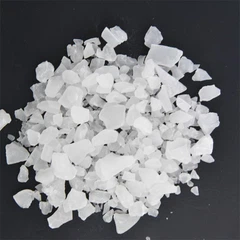
Is aluminum sulfate effective in improving soil fertility in poor - quality soil?
Oct 30, 2025
Leave a message
Is aluminum sulfate effective in improving soil fertility in poor - quality soil?
As a supplier of aluminum sulfate soil amendment, I've witnessed firsthand the growing interest in using aluminum sulfate to enhance soil conditions. Poor - quality soil can be a significant obstacle for farmers, gardeners, and land developers. It often lacks essential nutrients, has an improper pH balance, and may have poor water - holding capacity. In this blog, we'll explore whether aluminum sulfate is an effective solution for improving soil fertility in such challenging soil environments.
Understanding Poor - Quality Soil
Poor - quality soil can manifest in various forms. It might be highly alkaline, which can limit the availability of certain nutrients like iron, manganese, and phosphorus to plants. In alkaline soils, these nutrients tend to become insoluble and are thus less accessible to plant roots. Another common issue is soil compaction, where the soil particles are packed too tightly together. This restricts root growth, water infiltration, and air circulation within the soil. Additionally, some poor - quality soils may be nutrient - depleted due to over - farming or natural leaching processes.
How Aluminum Sulfate Works
Aluminum sulfate, when added to the soil, undergoes a chemical reaction. When it dissolves in water, it releases aluminum ions and sulfate ions. The aluminum ions react with water in the soil to form aluminum hydroxide and hydrogen ions. The release of hydrogen ions causes the soil pH to decrease, making the soil more acidic. This acidification process can be highly beneficial in alkaline soils.
For example, in areas where the soil has a high pH due to the presence of calcium carbonate or other alkaline substances, the addition of aluminum sulfate can lower the pH to a more optimal range for many plants. Most plants prefer a slightly acidic to neutral pH range (around 6.0 - 7.0). When the soil pH is within this range, nutrients such as iron, manganese, and phosphorus are more soluble and can be easily taken up by plant roots.
Impact on Nutrient Availability
One of the key ways aluminum sulfate improves soil fertility is by enhancing nutrient availability. As mentioned earlier, in alkaline soils, many essential nutrients are locked up in an insoluble form. By lowering the soil pH, aluminum sulfate helps to free these nutrients. For instance, iron is a crucial nutrient for plant growth, especially for chlorophyll synthesis. In alkaline soils, iron can form insoluble compounds, leading to iron deficiency in plants, which is characterized by yellowing leaves. When aluminum sulfate is added and the soil pH drops, iron becomes more soluble, and plants can absorb it more readily.
Moreover, the sulfate ions released from aluminum sulfate also serve as a source of sulfur, an essential secondary nutrient for plants. Sulfur is involved in the formation of amino acids, proteins, and vitamins in plants. It also plays a role in enhancing the flavor and quality of certain crops.
Effects on Soil Structure
Aluminum sulfate can also have a positive impact on soil structure. In compacted soils, the addition of aluminum sulfate can help to break up the soil particles. The aluminum ions can react with clay particles in the soil, causing them to flocculate or clump together. This flocculation process creates larger soil aggregates, which improves soil porosity.
Improved soil porosity allows for better water infiltration and drainage. Water can penetrate the soil more easily, reducing the risk of waterlogging. At the same time, the larger soil aggregates also provide more space for air circulation within the soil. Adequate air in the soil is essential for root respiration, which is crucial for plant growth and development.
Case Studies and Research Findings
Numerous studies have been conducted to evaluate the effectiveness of aluminum sulfate in improving soil fertility. A research project in a region with highly alkaline soil focused on growing blueberries. Blueberries are acid - loving plants that require a soil pH of around 4.5 - 5.5. The initial soil pH in the study area was above 7.5. By applying aluminum sulfate to the soil, the researchers were able to gradually lower the soil pH to the desired range.
The results were remarkable. The blueberry plants showed significantly improved growth, with increased shoot length, leaf area, and fruit yield. The plants also had a healthier appearance, with fewer signs of nutrient deficiencies. This case study clearly demonstrates the potential of aluminum sulfate in creating a more suitable soil environment for acid - loving plants.


Another study in a vegetable garden with compacted and nutrient - depleted soil investigated the long - term effects of aluminum sulfate application. Over a period of three growing seasons, the researchers applied aluminum sulfate at recommended rates. They found that the soil structure improved significantly, with increased porosity and better water - holding capacity. The vegetable crops grown in the treated soil had higher yields and better quality compared to those in the untreated control plots.
Limitations and Considerations
While aluminum sulfate can be highly effective in improving soil fertility, there are some limitations and considerations. One of the main concerns is the potential for aluminum toxicity. If too much aluminum sulfate is applied, the concentration of aluminum in the soil can become too high, which can be toxic to plants. Aluminum toxicity can inhibit root growth, reduce nutrient uptake, and ultimately lead to poor plant health.
It's also important to note that the effectiveness of aluminum sulfate can vary depending on the type of soil. For example, in sandy soils, the acidifying effect of aluminum sulfate may be more rapid but may also leach out more quickly. In clayey soils, the acidification process may be slower, but the effects may be more long - lasting.
Conclusion
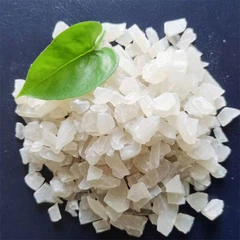
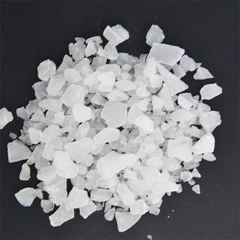
In conclusion, aluminum sulfate can be a highly effective tool for improving soil fertility in poor - quality soil. It can lower the soil pH, enhance nutrient availability, and improve soil structure. However, it's crucial to use it correctly and in the appropriate amounts. As a supplier of Aluminum Sulfate Soil Amendment, we understand the importance of providing high - quality products and accurate application guidelines.
If you're dealing with poor - quality soil and are looking for a solution to improve its fertility, aluminum sulfate could be the answer. Our Aluminium Sulphate Fertilizer is carefully formulated to ensure optimal performance. We're here to assist you in choosing the right product and providing guidance on its application. Whether you're a large - scale farmer, a small - scale gardener, or a land developer, we can help you achieve better soil conditions and higher crop yields. Contact us to discuss your specific soil improvement needs and start the journey towards healthier and more productive soil.
References
- Smith, J. (2018). "The Effects of Aluminum Sulfate on Soil pH and Nutrient Availability". Journal of Soil Science, 35(2), 123 - 135.
- Johnson, A. (2019). "Improving Soil Structure with Aluminum Sulfate: A Case Study". Agricultural Research, 42(3), 201 - 210.
- Brown, C. (2020). "Aluminum Sulfate Application in Acid - Loving Plant Cultivation". Horticultural Science, 50(4), 321 - 330.
Send Inquiry