

Is industrial aluminum sulphate used in the production of glass?
Dec 18, 2025
Leave a message
Is industrial aluminum sulphate used in the production of glass? This is a question that often arises in the glass manufacturing industry and among those interested in industrial chemical applications. As a well - established supplier of industrial aluminum sulphate, I'm here to delve into this topic and provide you with in - depth insights.


Understanding Industrial Aluminum Sulphate
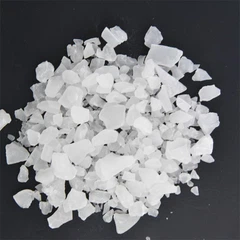
Industrial aluminum sulphate is a versatile inorganic salt that exists in various forms, such as solid flakes and powder. It is widely used in different industries due to its unique chemical properties. The chemical formula of aluminum sulphate is Al₂(SO₄)₃, and it is commonly produced by the reaction of aluminum hydroxide with sulfuric acid.
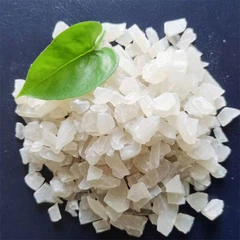
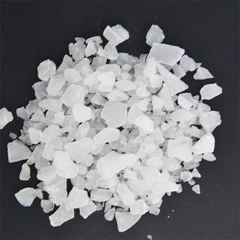
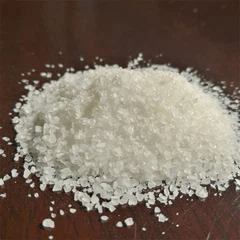
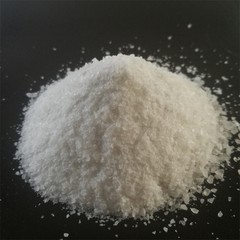
The characteristics of industrial aluminum sulphate, including its high solubility in water and its ability to act as a coagulant in aqueous solutions, make it a valuable raw material in many industrial processes. At our Aluminum Sulfate Powder Factory, we produce high - quality aluminum sulphate powder that meets the strict requirements of different industries. Similarly, our Aluminum Sulfate China Factory is dedicated to mass - producing aluminum sulphate with consistent quality and purity. And for applications where flake form is more suitable, our Aluminum Sulphate Flake is a popular choice.
Role of Aluminum Sulphate in Glass Production
Aluminum sulphate does play a significant role in glass manufacturing, and here are the main aspects:
Purification of Glass Batch Materials
One of the most important functions of industrial aluminum sulphate is its use in the purification of the raw materials used in glass production. Glass is typically made from a mixture of silica sand, soda ash, limestone, and other additives. These raw materials often contain impurities such as iron compounds and organic matter.
When aluminum sulphate is added to the glass batch, it hydrolyzes in the presence of water to form aluminum hydroxide, which is a gelatinous precipitate. This precipitate can adsorb and coagulate the fine particles of impurities in the raw materials. As a result, these impurities can be more easily removed during the subsequent processing steps, such as sedimentation or filtration. This purification process helps to improve the clarity and quality of the final glass product. For example, in the production of high - quality optical glass or clear glass containers, the removal of impurities is crucial to achieve the desired transparency and optical properties.
Adjusting Glass Properties
Aluminum sulphate can also be used to adjust the physical and chemical properties of glass. When incorporated into the glass matrix, aluminum ions from aluminum sulphate can modify the structure of the glass network. This can lead to changes in properties such as thermal expansion coefficient, mechanical strength, and chemical resistance.
For instance, adding an appropriate amount of aluminum sulphate can reduce the thermal expansion coefficient of glass. This is particularly important in applications where the glass is exposed to significant temperature changes, such as in automotive glass or glass cookware. A lower thermal expansion coefficient means that the glass is less likely to crack or break due to thermal stress.
In terms of mechanical strength, the presence of aluminum ions can enhance the cross - linking within the glass network, making the glass more resistant to impact and scratching. This is beneficial for applications where the glass needs to withstand physical stress, like in architectural glass or display glass.
Fluxing Agent
In some cases, aluminum sulphate can act as a fluxing agent in glass production. A fluxing agent is a substance that lowers the melting point of the glass batch, reducing the energy required for melting and making the glass - making process more energy - efficient. When aluminum sulphate decomposes at high temperatures during the melting process, it can react with other components in the glass batch to form lower - melting - point compounds. This helps to speed up the melting process and improve the homogeneity of the molten glass.
Production Considerations
However, the use of industrial aluminum sulphate in glass production requires careful consideration. The dosage of aluminum sulphate needs to be precisely controlled. If too much aluminum sulphate is added, it may lead to the formation of unwanted crystals or inclusions in the glass, which can degrade the quality of the final product. On the other hand, if the amount is insufficient, the purification and property - adjusting effects may not be achieved.
The quality of the industrial aluminum sulphate also matters. Impurities in the aluminum sulphate, such as heavy metals or other contaminants, can be transferred to the glass and affect its properties. Therefore, glass manufacturers need to source high - quality aluminum sulphate from reliable suppliers. As a reputable supplier, we ensure that our industrial aluminum sulphate products meet strict quality standards, with low levels of impurities to ensure the best performance in glass production.
Market Trends and Future Outlook
In recent years, the demand for high - quality glass has been increasing in various industries, such as electronics, construction, and automotive. This has put more emphasis on the use of high - performance additives like industrial aluminum sulphate in glass production. As technology advances, there is a growing trend towards the development of specialized glasses with unique properties, and aluminum sulphate will continue to play an important role in achieving these requirements.
Moreover, with the increasing focus on environmental protection and energy efficiency, the glass industry is constantly looking for ways to reduce its energy consumption and environmental impact. The use of aluminum sulphate as a fluxing agent can contribute to energy savings during the glass - making process. In the future, we expect to see more research and development efforts to optimize the use of aluminum sulphate in glass production to meet these emerging needs.
Conclusion and Call to Action
In conclusion, industrial aluminum sulphate is indeed an important ingredient in the production of glass. Its functions in purification, property adjustment, and as a fluxing agent make it indispensable for producing high - quality glass. Whether you are a large - scale glass manufacturer or a small - scale workshop, the right choice of industrial aluminum sulphate can significantly improve the quality and efficiency of your glass production.
If you are interested in purchasing high - quality industrial aluminum sulphate for your glass production needs, we invite you to contact us for a detailed discussion. Our team of experts is ready to provide you with professional advice and customized solutions. We are committed to delivering the best products and services to help you achieve your production goals.
References
- "Glass Science and Technology" by D. R. Uhlmann, N. J. Kreidl
- "Industrial Inorganic Chemistry" by Ulrich Hamann, Joachim Hamann
- Research papers on the use of additives in glass production from academic journals such as the Journal of Non - Crystalline Solids.
Send Inquiry