

What are the advantages of using granular aluminum sulfate in glass manufacturing?
Jul 24, 2025
Leave a message
In the realm of glass manufacturing, the choice of raw materials is crucial for achieving high - quality products. One such material that has gained significant attention is granular aluminum sulfate. As a reliable supplier of granular aluminum sulfate, I am excited to delve into the numerous advantages it offers in the glass - making process.
Chemical and Physical Properties of Granular Aluminum Sulfate
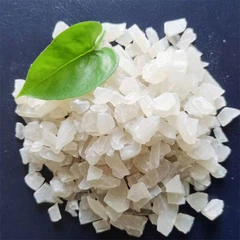
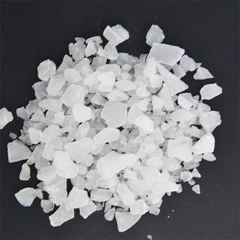
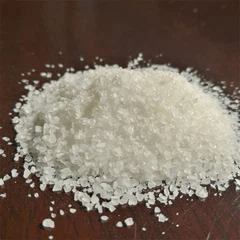
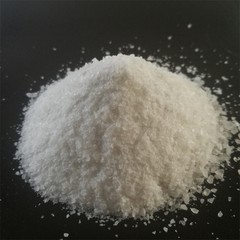
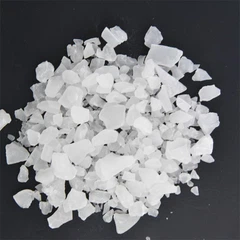
Granular aluminum sulfate, with the chemical formula Al₂(SO₄)₃, is a white crystalline solid. In its granular form, it offers better handling and storage characteristics compared to other forms. The granules are easy to measure, which is essential for accurate dosing in industrial applications. Its solubility in water is relatively high, allowing it to be easily incorporated into glass - making mixtures.
Advantages in Glass Manufacturing
1. Fluxing Agent
One of the primary roles of granular aluminum sulfate in glass manufacturing is as a fluxing agent. Fluxes are substances that lower the melting point of the glass batch. In the production of glass, various raw materials such as silica sand, soda ash, and limestone need to be melted at high temperatures. By adding granular aluminum sulfate, the melting temperature can be significantly reduced. This not only saves energy but also reduces the wear and tear on the melting equipment. For example, in a large - scale glass manufacturing plant, the energy savings from using a fluxing agent like granular aluminum sulfate can be substantial over time. This reduction in energy consumption also has a positive environmental impact, as it reduces the carbon footprint of the glass - making process.


2. Improving Glass Clarity
Granular aluminum sulfate helps in improving the clarity of the glass. During the melting process, impurities and air bubbles can get trapped in the glass, causing it to appear cloudy or hazy. Aluminum sulfate reacts with some of these impurities, forming compounds that can be easily removed during the refining process. Additionally, it can help in reducing the surface tension of the molten glass, allowing air bubbles to rise to the surface more easily and escape. This results in a clearer, more transparent glass product, which is highly desirable in applications such as window glass, optical lenses, and glass containers.
3. Enhancing Chemical Resistance
Glass products need to have good chemical resistance, especially when they are used in environments where they may come into contact with various chemicals. Granular aluminum sulfate can enhance the chemical resistance of glass. It forms a protective layer within the glass structure that helps to prevent the penetration of chemicals. For instance, in laboratory glassware, where it is often exposed to strong acids and bases, the addition of granular aluminum sulfate during the manufacturing process can significantly increase the lifespan of the glassware. This is because the glass is less likely to be corroded by the chemicals, maintaining its integrity and functionality over time.
4. Adjusting Viscosity
The viscosity of the molten glass is a critical parameter in glass manufacturing. It affects the shaping and forming processes of the glass. Granular aluminum sulfate can be used to adjust the viscosity of the molten glass. By controlling the amount of aluminum sulfate added, glass manufacturers can achieve the desired viscosity for different glass - shaping techniques, such as blowing, pressing, or rolling. For example, in the production of thin - walled glass bottles, a lower viscosity is required for easier blowing. By adding the appropriate amount of granular aluminum sulfate, the viscosity of the molten glass can be adjusted to meet the requirements of the manufacturing process.
5. Acting as a Finishing Agent
In some cases, granular aluminum sulfate can act as a finishing agent for glass products. It can improve the surface quality of the glass, making it smoother and more uniform. This is particularly important in applications where the appearance of the glass is crucial, such as in decorative glass items. The use of aluminum sulfate can give the glass a more polished and professional look, enhancing its aesthetic appeal.
Applications in Different Types of Glass
1. Soda - Lime Glass
Soda - lime glass is the most common type of glass, used in everyday items such as windows, bottles, and jars. Granular aluminum sulfate is widely used in the production of soda - lime glass. It helps in reducing the melting temperature, improving clarity, and enhancing chemical resistance. This makes the soda - lime glass more cost - effective to produce and more durable in use.
2. Borosilicate Glass
Borosilicate glass is known for its high thermal resistance and is commonly used in laboratory glassware and cookware. Granular aluminum sulfate can be used in borosilicate glass manufacturing to improve its chemical resistance and adjust the viscosity of the molten glass. This ensures that the borosilicate glass can withstand high temperatures and harsh chemical environments without losing its structural integrity.
3. Optical Glass
Optical glass is used in lenses, prisms, and other optical components. The clarity and optical properties of optical glass are of utmost importance. Granular aluminum sulfate can help in achieving high - quality optical glass by removing impurities and improving the uniformity of the glass structure. This results in better - performing optical components with fewer optical aberrations.
Industry Standards and Regulations
The use of granular aluminum sulfate in glass manufacturing is subject to certain industry standards and regulations. The HS CODE28332200 ALUMINUM SULPHATE provides a standardized way to classify and trade aluminum sulfate. It ensures that the product meets certain quality and safety requirements. As a supplier, we ensure that our granular aluminum sulfate complies with all relevant industry standards and regulations. This gives our customers the confidence that they are using a high - quality and safe product in their glass - manufacturing processes.
Related Applications in Other Industries
Apart from glass manufacturing, granular aluminum sulfate has other important applications. One of the most significant applications is in water treatment. Aluminium Sulfate Water Treatment is a well - established process where aluminum sulfate is used to remove impurities and suspended particles from water. It acts as a coagulant, causing the particles to clump together and settle out of the water. This makes the water cleaner and safer for various uses, such as drinking water supply and industrial processes.
Our Product - Granular Aluminum Sulfate
Our Granular Aluminum Sulfate is of the highest quality. We use advanced manufacturing processes to ensure that the granules are uniform in size and composition. Our product is carefully tested to meet the strictest quality standards. We offer a range of grades of granular aluminum sulfate to meet the specific needs of different glass manufacturers. Whether you are a small - scale artisanal glassmaker or a large - scale industrial glass producer, we have the right product for you.
Contact for Procurement
If you are in the glass manufacturing industry and are looking for a reliable supplier of granular aluminum sulfate, we would be delighted to hear from you. Our team of experts can provide you with detailed information about our products, including technical specifications, pricing, and delivery options. We are committed to providing excellent customer service and ensuring that your procurement process is smooth and hassle - free. Contact us today to discuss your requirements and start a successful partnership in glass manufacturing.
References
- Glass Science and Technology, Volume 1: Glass Formation and Structure, by David R. Uhlmann and Neil J. Kreidl
- Handbook of Glass Manufacture, edited by William C. LaCourse
- Chemical Engineering in the Glass Industry, by John A. Howell
Send Inquiry