

What is the role of aluminum sulphate in the production of adhesives?
Jul 24, 2025
Leave a message
Hey there! I'm an aluminum sulphate supplier, and today I'm super excited to chat with you about the role of aluminum sulphate in the production of adhesives. You might be wondering, "What on earth does aluminum sulphate have to do with adhesives?" Well, stick around, and I'll break it all down for you.
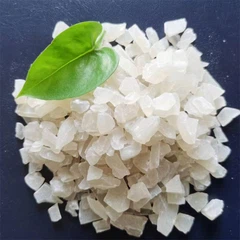
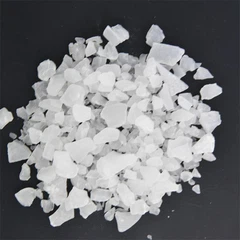
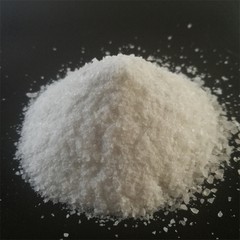
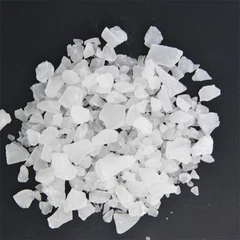
First off, let's get a basic understanding of aluminum sulphate. Aluminum sulphate, with the CAS 10043-01-3, is a white crystalline solid that's soluble in water. It's commonly used in various industries, and the adhesive industry is one of them.
1. pH Regulation
One of the key roles of aluminum sulphate in adhesive production is pH regulation. Adhesives often require a specific pH range to work effectively. Aluminum sulphate can act as an acidifying agent. When it's added to an adhesive formulation, it can lower the pH of the mixture.


In some adhesives, especially those based on natural polymers like starch or protein, a slightly acidic environment can enhance the stability and performance of the adhesive. For example, in starch-based adhesives, a proper pH level can prevent the growth of bacteria and fungi, which could otherwise degrade the adhesive over time. By adjusting the pH with aluminum sulphate, we can ensure that the adhesive remains in a stable condition during storage and application.
2. Cross - Linking Agent
Aluminum sulphate can also act as a cross - linking agent in certain adhesive systems. Cross - linking is a process where polymer chains are connected to each other, forming a three - dimensional network. This network can significantly improve the strength, durability, and water resistance of the adhesive.
In adhesives made from polymers such as polyvinyl alcohol (PVA), aluminum ions from aluminum sulphate can react with the hydroxyl groups in the polymer chains. This reaction forms cross - links between the chains, making the adhesive more rigid and less likely to dissolve in water. As a result, the adhesive can better withstand environmental factors like humidity and moisture, which is crucial for applications in areas where the adhesive may be exposed to wet conditions.
3. Coagulation and Flocculation
In some adhesive production processes, there may be impurities or fine particles present in the raw materials. Aluminum sulphate can be used for coagulation and flocculation. When added to the adhesive mixture, the aluminum ions in aluminum sulphate can neutralize the charges on the particles, causing them to come together and form larger aggregates.
These aggregates are easier to remove from the adhesive solution through processes like filtration or sedimentation. By removing impurities, we can improve the clarity, purity, and overall quality of the adhesive. This is particularly important in adhesives that are used in applications where a high - quality finish is required, such as in the production of paper laminates or clear plastic adhesives.
4. Improving Adhesion Properties
Aluminum sulphate can also enhance the adhesion properties of adhesives. It can modify the surface properties of the substrates to which the adhesive is applied. For example, in wood adhesives, aluminum sulphate can react with the wood fibers, creating a more favorable surface for the adhesive to bond to.
This reaction can increase the wetting ability of the adhesive on the wood surface, allowing it to spread more evenly and form a stronger bond. Similarly, in metal - bonding adhesives, aluminum sulphate can help to clean and activate the metal surface, removing any oxide layers or contaminants that could interfere with the adhesion process.
Types of Aluminum Sulphate for Adhesive Production
As an aluminum sulphate supplier, I offer different types of aluminum sulphate that are suitable for adhesive production. Industrial Aluminum Sulphate is a commonly used type. It's produced on a large scale and is cost - effective for industrial adhesive manufacturers. This type of aluminum sulphate usually has a high purity level, which is important for ensuring the quality and performance of the adhesive.
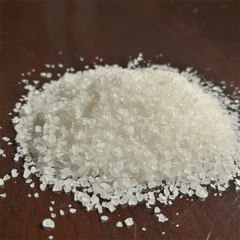
Another option is Granular Aluminum Sulfate. The granular form is easy to handle and measure. It can be added directly to the adhesive formulation without the need for complex dissolution processes. Granular aluminum sulfate also has a relatively high solubility in water, which makes it convenient for use in aqueous adhesive systems.
Benefits of Using Our Aluminum Sulphate in Adhesive Production
When you choose our aluminum sulphate for your adhesive production, you're getting several benefits. Firstly, our products are of high quality. We have strict quality control measures in place to ensure that the aluminum sulphate meets the required standards. This means that you can rely on our product to perform consistently in your adhesive formulations.
Secondly, we offer competitive pricing. As a direct supplier, we can eliminate the middle - man costs, allowing you to get high - quality aluminum sulphate at a reasonable price. This can help you to reduce your production costs without sacrificing the quality of your adhesives.
Thirdly, we provide excellent customer service. Our team of experts is always ready to assist you with any questions or concerns you may have about using aluminum sulphate in your adhesive production. Whether it's about the dosage, the compatibility with other ingredients, or the storage conditions, we're here to help.
Conclusion
In conclusion, aluminum sulphate plays a vital role in the production of adhesives. From pH regulation to cross - linking, coagulation, and improving adhesion properties, it offers multiple benefits that can enhance the performance and quality of adhesives. As an aluminum sulphate supplier, I'm committed to providing high - quality products and excellent service to adhesive manufacturers.
If you're in the adhesive production business and are looking for a reliable aluminum sulphate supplier, I'd love to hear from you. Whether you have questions about our products, need samples, or want to discuss a potential purchase, don't hesitate to reach out. Let's work together to create better adhesives!
References
- "Handbook of Adhesive Technology" by Skeist, I.
- "Polymer Science and Technology" by Billmeyer, F. W.
- Industry research reports on adhesive production and chemical additives.
Send Inquiry